Fascia and Soffit Damage: How It Affects Your Roof and Gutters
Fascia is the vertical board along your roof edge that holds your gutters; soffit is the panel underneath that ventilates…

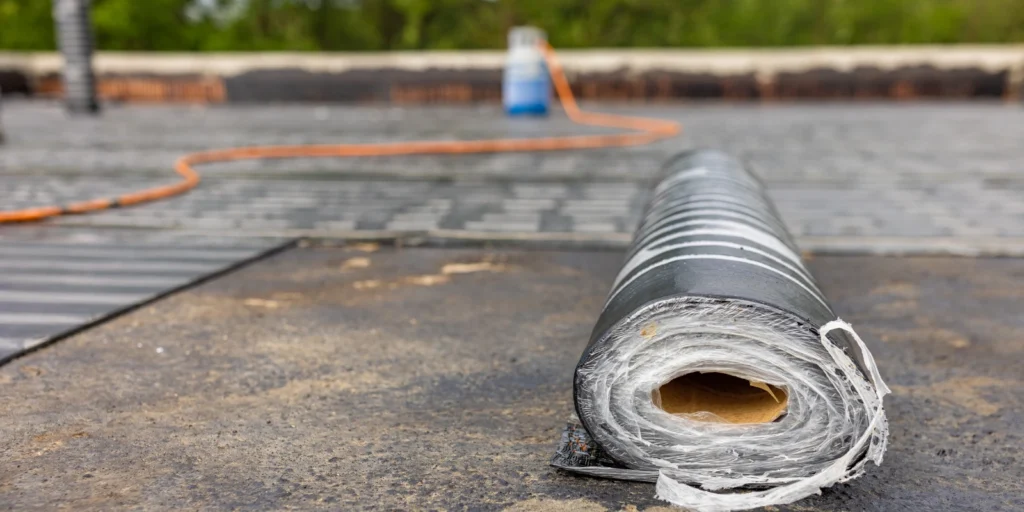
For most Boston buildings, a rubber roof (EPDM) is the best flat roof option, lasting 25 to 30-plus years, flexing through freeze-thaw cycles, and costing less to install. Modified bitumen is the better pick when your roof sees heavy foot traffic or rooftop equipment, because its multi-layer build resists punctures better, though it typically lasts 15 to 25 years. The right choice comes down to how your roof is used, not just the price tag.
If you own a flat-roofed building in Boston, you’ll almost certainly choose between two proven systems: a rubber roof, known in the trade as EPDM, and a modified bitumen roof. Here’s the short answer that most comparisons land on: EPDM rubber generally lasts longer and handles Boston’s freeze-thaw swings with ease, while modified bitumen is tougher against punctures and foot traffic thanks to its multiple layers. Both are cost-effective, watertight flat roof materials; they simply excel in different situations.
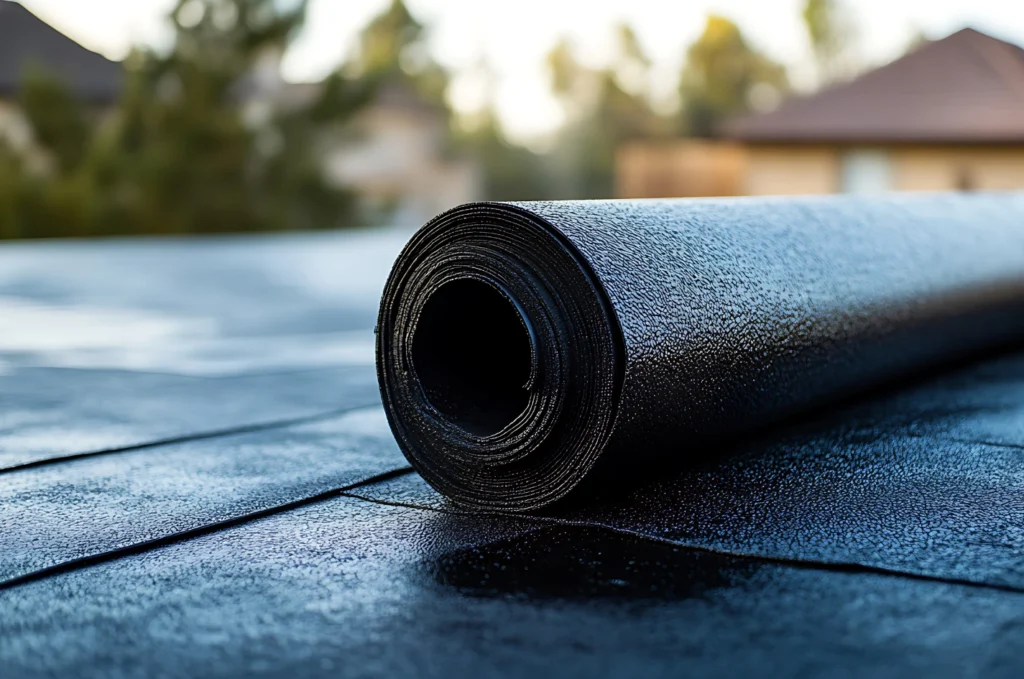
A rubber roof is a single-ply synthetic membrane, while modified bitumen is a multi-layer asphalt-based system. EPDM, the rubber option, is one large sheet of synthetic rubber rolled across the roof and sealed, prized for flexibility and a long track record. Modified bitumen evolved from old built-up tar roofs, combining asphalt with polymers like SBS or APP for elasticity, then applying it in reinforced layers.
That structural difference, one flexible sheet versus several tough layers, is the root of everything that follows. The single-ply rubber roof has very few seams, so it rarely leaks and moves easily with the building. The layered modified bitumen system trades some of that flexibility for sheer toughness and redundancy. Understanding that trade-off is the key to picking the right one.
The best system depends less on which is objectively better and more on how your roof is used day to day. Match your building to the profiles below, and the right choice usually becomes obvious. Here’s where each system wins.
EPDM rubber is the best fit for large, open roofs with little foot traffic. If your roof mostly just sits there, shedding rain and snow with only occasional maintenance visits, EPDM’s long life and flexibility make it the smart, economical choice. It installs quickly across wide, uninterrupted spans, keeping labor costs down, and its stretch handles roof repair in Boston temperature swings without cracking. Think warehouses, apartment blocks, and offices without heavy rooftop activity.
Modified bitumen is the better fit for roofs that see regular foot traffic, equipment, or debris. Its multi-layer, thick asphalt build absorbs impact and resists the punctures that a single-ply membrane can suffer from dropped tools, HVAC servicing, or falling branches. If crews are regularly up top maintaining equipment, or your roof faces heavy debris, that added toughness earns its keep. Restaurants, retail with rooftop units, and buildings needing frequent roof access are prime candidates.
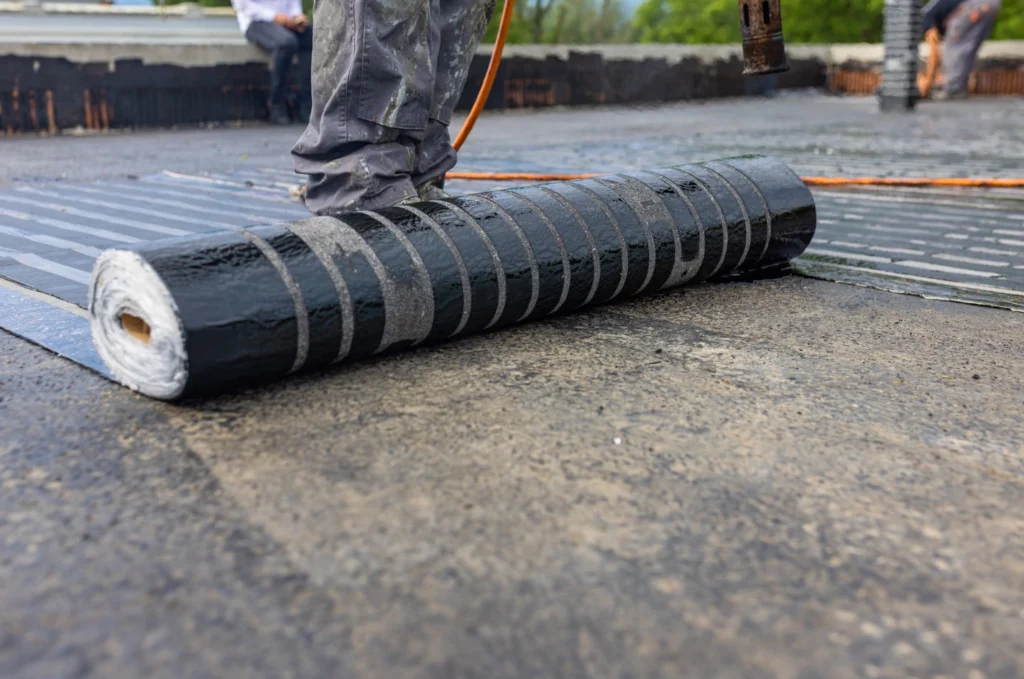
Both are cost-effective, but they spend your money differently. EPDM usually has a lower installed cost, especially on big open roofs where it goes down fast, and its long lifespan spreads over decades. Modified bitumen can be competitive on material but its layered, sometimes torch-applied installation adds labor on complex roofs. Weigh the upfront number against the years of service and Cambridge roof repair you’re likely to avoid.
A rubber roof generally lasts longer than modified bitumen, which is one of EPDM’s biggest advantages. A properly installed and maintained EPDM roof commonly reaches 25 to 30 years or more, with a long, well-understood track record. Modified bitumen typically lasts 15 to 25 years, solid, but usually a step behind rubber in raw longevity.
Lifespan isn’t the only durability measure, though. EPDM excels at flexibility, moving with the building and staying supple in deep cold, but its single layer is more vulnerable to punctures, and it can shrink slightly over decades, tugging at seams. Modified bitumen resists impact and tearing better thanks to its layers, but that asphalt base can grow brittle over many freeze-thaw years. Each is durable, just in a different way.
For Boston’s freeze-thaw climate specifically, EPDM rubber has a slight edge because of its flexibility. Boston roofs endure roughly 100 freeze-thaw cycles a year, and EPDM’s rubber membrane expands and contracts through those swings without cracking or becoming brittle. That elasticity is exactly what a New England winter demands from a flat roof.
Modified bitumen still performs well here, and its puncture resistance is a real plus under heavy snow and ice, or where crews clear the roof each winter. The key with either system in Boston is professional installation: proper seams, flashing, and drainage matter far more than the membrane brand when the temperature is bouncing across freezing all season. A poorly installed premium roof will lose to a well-installed standard one every time.
Choose a rubber roof for most Boston buildings, and modified bitumen when your roof takes real physical abuse. That simple rule covers the majority of decisions, though the final call should always follow a professional look at your specific roof. Here’s the quick decision guide.
The Boston area’s building mix and climate shape which flat roof material makes sense, so local experience matters.
Dense, mixed buildings: From triple-deckers to commercial blocks, the right system varies by building, which is why a roofing company Cambridge and Boston owners trust assesses each roof individually.
Harsh winters: Heavy snow, ice, and freeze-thaw cycles reward flexible, well-drained systems and expert installation above all.
Rooftop equipment: Many Boston commercial roofs carry HVAC units and see regular service, tilting some buildings toward puncture-resistant modified bitumen.
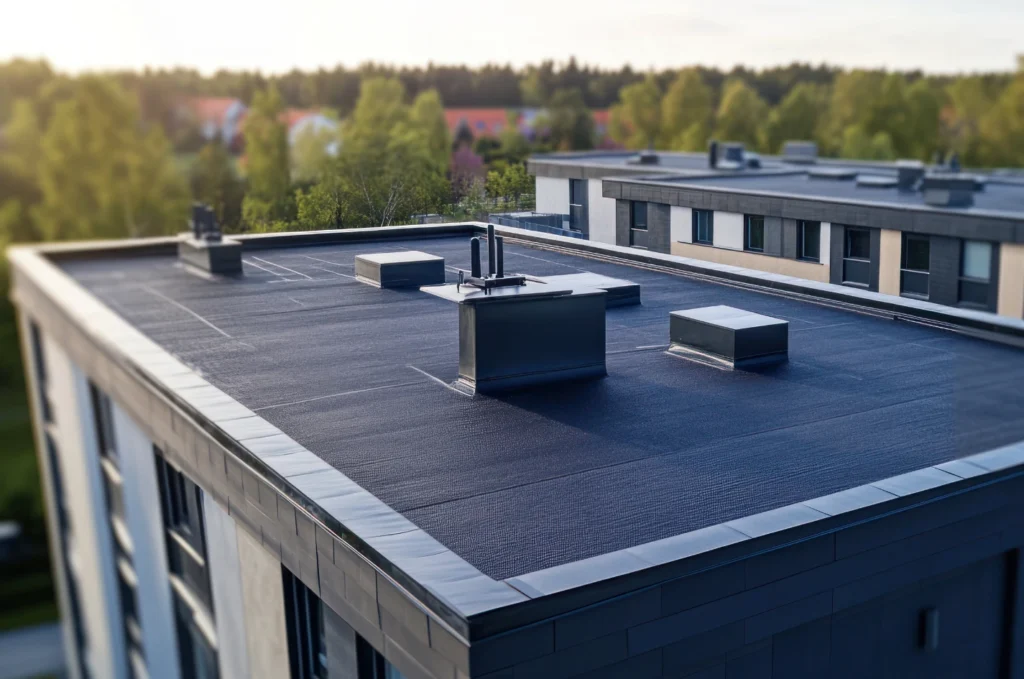
At OneGuard Roofing, we recommend the flat roof system that fits your building and how you use it, not just the one that’s easiest to sell. As licensed roofers Boston building owners trust, we install both EPDM and modified bitumen to the standard that actually determines lifespan. Honest work, done right.
How we help:
There’s no single best flat roof for every Boston building, only the best one for yours. A rubber roof wins on lifespan, flexibility, and cost for most quiet, open roofs, while modified bitumen wins on toughness for roofs that get walked on and worked on. Match the system to how your roof is actually used, and you’ll get years of watertight protection either way.
And remember the detail that outweighs the material choice itself: installation quality. The best membrane fails with bad seams and poor drainage, so the roofer you hire matters as much as the system you pick.
Schedule your free inspection today and choose your flat roof with confidence.