Fascia and Soffit Damage: How It Affects Your Roof and Gutters
Fascia is the vertical board along your roof edge that holds your gutters; soffit is the panel underneath that ventilates…

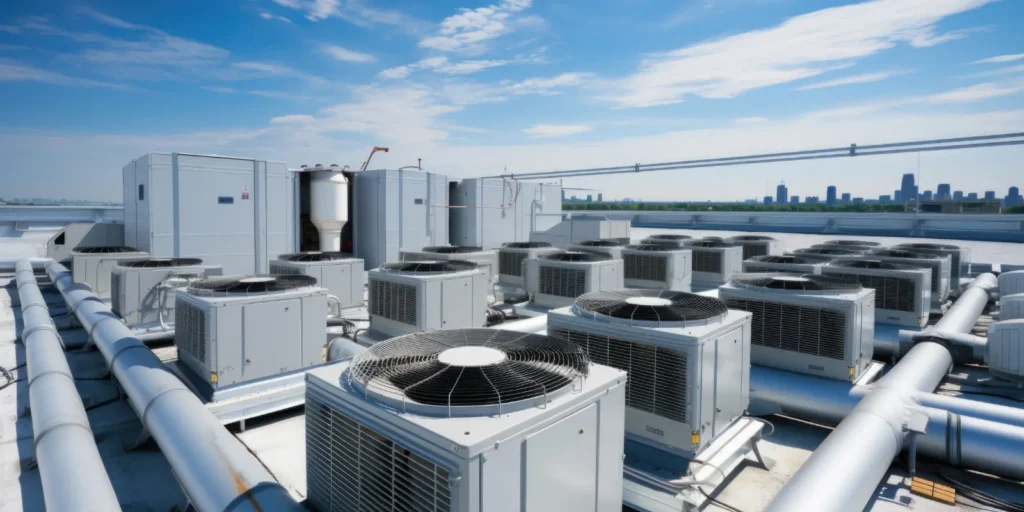
HVAC units cause commercial roof leaks in three main ways: condensate overflow from clogged drains or cracked pans, failed curb flashing where the unit meets the roof, and damage from service technicians walking and working on the membrane. A useful clue: water that appears during cooling season usually points to condensate, while water that follows rain points to flashing or the roof. Most HVAC-related leaks are preventable with regular inspection and proper flashing.
On most commercial buildings, the HVAC units sit right on the flat roof, and that convenience comes with a hidden cost: those units are one of the most common sources of roof leaks. Here’s the direct answer to how it happens. HVAC units cause commercial roof leaks in three main ways: the condensation they produce overflows when a drain clogs or a pan cracks, the curb flashing that seals the unit to the roof fails over time, and the technicians who service the unit damage the roof membrane with foot traffic and dropped tools.

Nearly every HVAC-related roof leak traces back to one of three causes: condensate, flashing, or service traffic. Often two of them work together, which is why the wet ceiling tile alone rarely tells the whole story. Here’s how each one lets water into your building.
The most common HVAC leak comes from the water the unit makes while cooling. An air conditioner produces gallons of condensation, which should collect in a pan and exit through a drain line. When that drain line clogs, the pan cracks or rusts, or the connection fails, the water overflows onto the roof instead. There it pools around the unit, works into any weak point, and eventually shows up as a damp ceiling tile or a slow drip inside, often only during a long, hot cooling stretch when the unit runs hardest.
HVAC units sit on raised frames called curbs, and the flashing that seals those curbs to the roof is a top leak location. Because the curb is a transition point between the roof membrane and the equipment, it’s inherently vulnerable, and the unit’s constant vibration, plus the roof’s thermal expansion and contraction, slowly weakens the flashing seams. When counter-flashing, sealants, or termination bars crack and deteriorate under UV and freeze-thaw, water gets a direct path into the roof, especially during wind-driven rain.
Ironically, the biggest threat to your roof is often the people fixing your HVAC.Certified roofing technicians climb up several times a year carrying heavy tools and parts, and repeated foot traffic over the same paths compresses insulation, while dropped tools and sharp screws puncture the membrane. If HVAC techs aren’t roofers: leaning against a curb can fracture its seal, and struggling under a low unit frame can tear the membrane, damage they may not even notice or report. A single unreported puncture can quietly saturate the insulation for months.
The single best clue to whether a leak is an HVAC or a roofing problem is when the water appears. Because the two causes are driven by different things, the timing points you toward the source, though it’s not a definitive diagnosis on its own. This simple test saves a lot of guesswork before the pros arrive.
Water during cooling season, no rain: Points to condensate, a clogged drain, cracked pan, or frozen coil inside the unit. A partly blocked drain can work fine in mild weather, then overflow when the unit runs long in summer heat.
Water mainly during or after rain: Points to the roof side, curb flashing, seams, penetrations, or panel seals letting rain in. Wind-driven rain especially exploits small weaknesses that stay hidden in dry weather.
Often, though, both problems exist at once, which is why a proper diagnosis may need both HVAC and roofing eyes. An HVAC roof repair in Newton won’t fix a roof seam, and a roof patch won’t clear a blocked condensate line. Matching the fix to the true cause prevents paying for the wrong repair twice.
HVAC-related leaks cause outsized hidden damage because the water travels and hides before you ever see it. Above a commercial suspended ceiling, water can move along framing, decking, duct routes, and insulation, so the drip you notice may be far from the actual entry point. That suspended ceiling makes leaks easy to miss and hard to map, letting moisture spread for weeks unseen.
The slow, quiet nature is what makes it costly. A small condensate overflow or a hairline flashing crack rarely looks dramatic at first, just a faint stain, so it gets ignored. Meanwhile the trapped moisture rots the roof deck, ruins insulation, grows mold, and can damage ductwork and electrical paths. What began as a clogged drain becomes a major flat roof repair, or a full replacement in Newton of flat roof sections, if left alone.
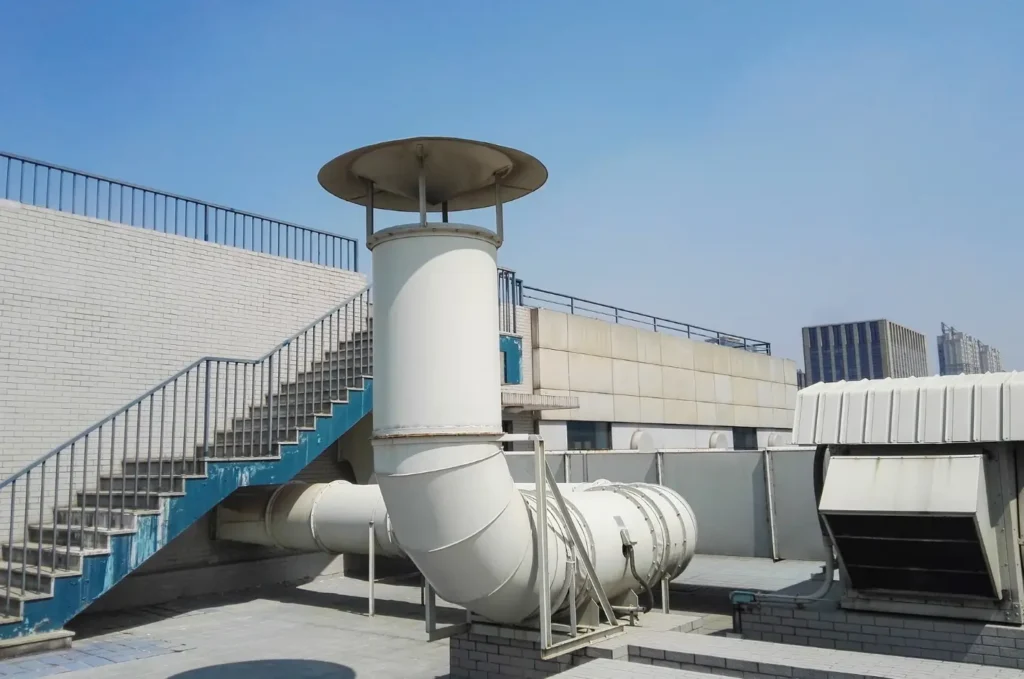
You prevent most HVAC-related roof leaks with regular roof inspection, protective walkways, and proper condensate drainage. Because these leaks build slowly, catching them early is far cheaper than repairing the damage they cause. A simple prevention routine protects both your roof and your operations.
Newton’s climate intensifies every one of these HVAC leak risks, so local commercial buildings need proactive care by a roofing company in Newton.
Freeze-thaw on flashing: With roughly 100 freeze-thaw cycles a year, water that pools at a weak curb freezes, expands, and pries the flashing open faster than in milder climates.
Heavy summer cooling: Hot, humid New England summers push units to run long and hard, producing more condensate and raising overflow risk when a drain is even partly blocked.
Snow load and ponding: Snowmelt pooling around heavy rooftop units adds stress right where the flashing is most vulnerable.
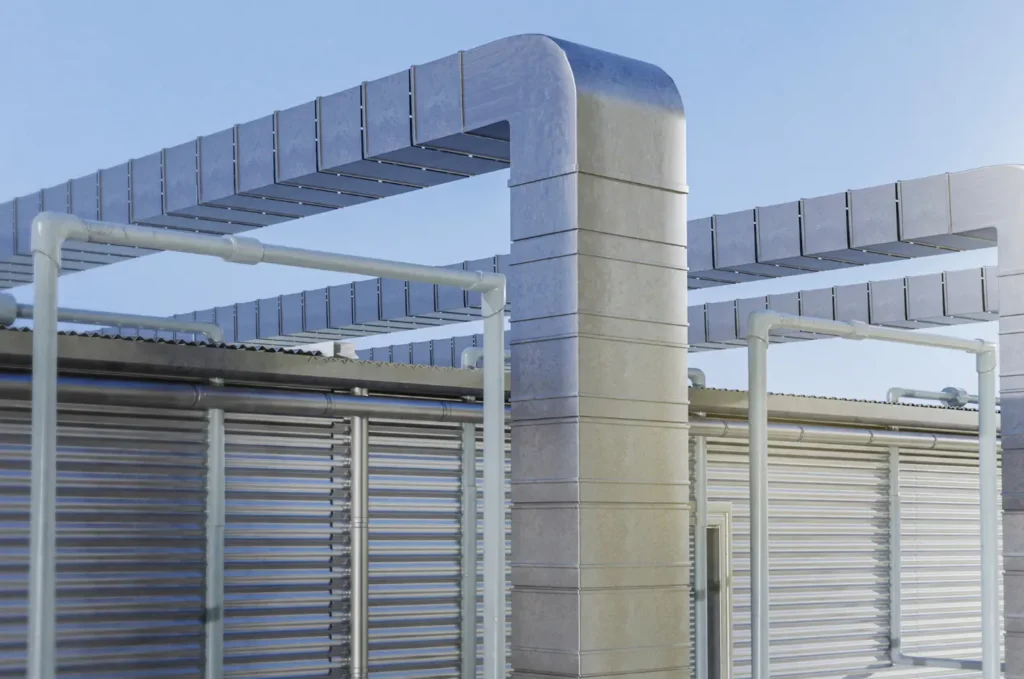
At OneGuard Roofing, we know rooftop HVAC units are where many commercial roof leaks begin, so we inspect and protect those danger zones closely. As a trusted roofing company in Newton, we find the true source of a leak, HVAC or roofing, and fix it right. Honest work, done right.
Your rooftop HVAC units keep the building comfortable, but they also sit at the center of most commercial roof leaks. Between the condensate they produce, the flashing that seals them down, and the technicians who service them, there are three constant threats to the roof around every unit. The good news is that nearly all of it is preventable with regular inspection and proper detailing.
So the next time you spot a stain near a rooftop unit, remember: don’t assume, and watch the timing. Water in the heat points one way, water in the rain another, and a professional can confirm the true source before you pay for the wrong fix.