Fascia and Soffit Damage: How It Affects Your Roof and Gutters
Fascia is the vertical board along your roof edge that holds your gutters; soffit is the panel underneath that ventilates…

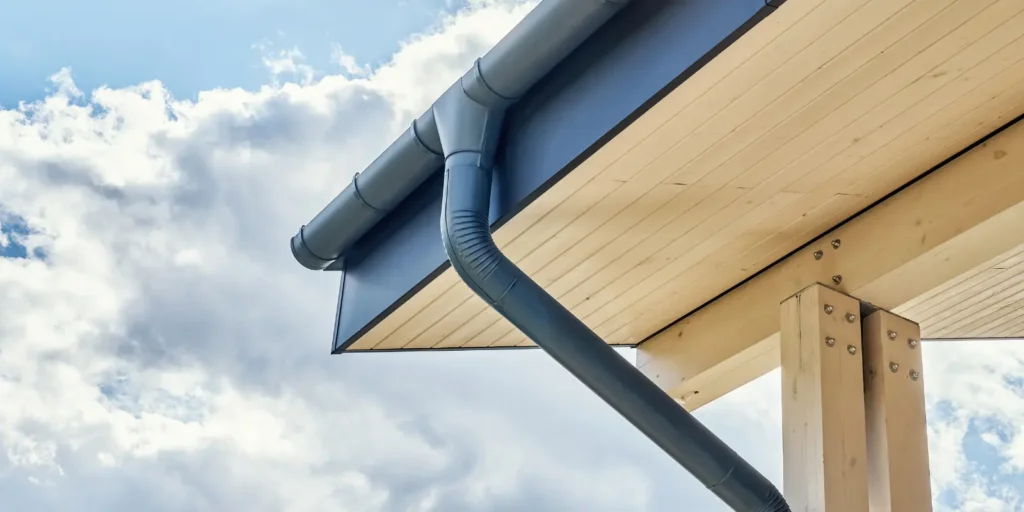
Fascia is the vertical board along your roof edge that holds your gutters; soffit is the panel underneath that ventilates your attic. When either one is damaged, the trouble spreads fast: sagging gutters, a rotting roof deck, attic moisture and mold, pests, and eventually interior leaks. The two rot each other in a chain reaction, so a small soft spot today can become a major roofline repair.
Most homeowners watch their shingles and gutters but never think about the boards in between, until those boards fail. So what are fascia and soffit, and why do they matter? Here’s the direct answer: fascia is the vertical board running along your roof’s edge that seals the roofline and holds up your gutters, while soffit is the horizontal panel tucked under the roof overhang that lets your attic breathe. Together they protect your home from water, pests, and rot, and they work as one system, not two separate parts.
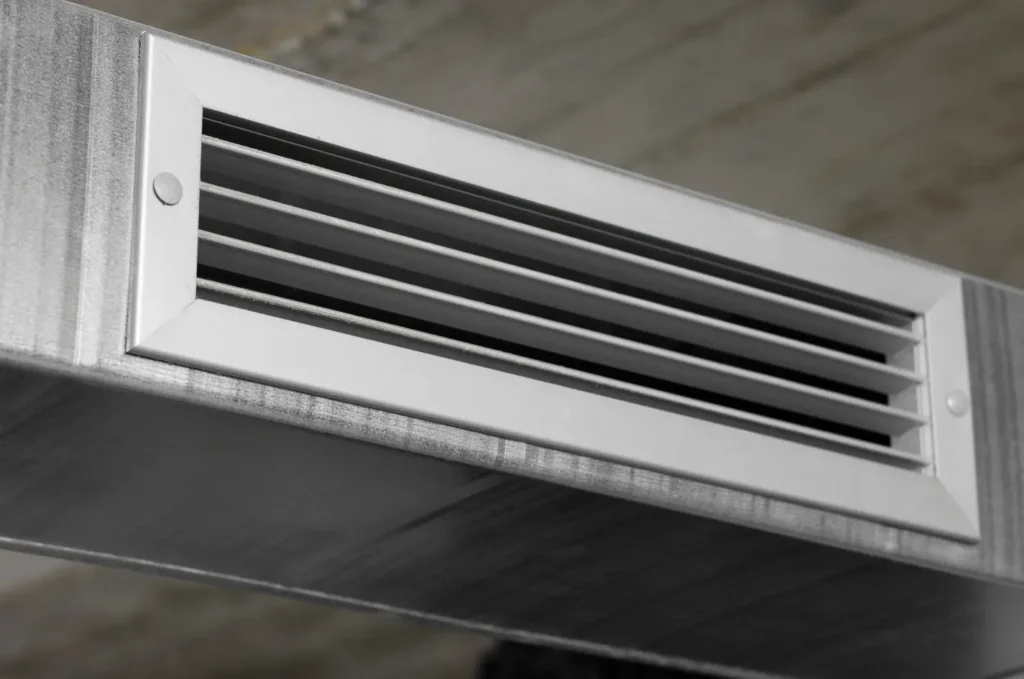
The simple difference is orientation and job: the fascia roof board is the vertical piece you see along the roof edge, and soffit is the horizontal panel underneath the overhang. Fascia seals the roofline, supports the bottom row of shingles, and carries the full weight of your gutters. Soffit closes off the underside of the eave and, through its vents, lets fresh air flow into the attic to control moisture and heat.
Homeowners mix them up because they sit right next to each other, but the key point is that they function as a team. The soffit’s ventilation keeps the attic dry, which protects the fascia from rotting from behind, and the fascia keeps water out, which protects the soffit. When one fails, it drags the other down with it, which is exactly how the damage spreads.
Fascia and soffit damage spreads in a predictable chain, where each failure triggers the next. What starts as a little trapped moisture can end at your foundation if nothing stops it. Catching it early with roof inspection in Arlington and prompt repair is far cheaper than the cascade.
Here’s how the dominoes fall.
Since your gutters are fastened directly to the fascia, rotted fascia can no longer hold their weight. The gutters begin to sag, tilt, or detach entirely, and a sagging gutter almost always traces back to compromised fascia behind it. Once the gutters pull away, they stop draining properly, spilling water right back onto the fascia and soffit, which deepens the very damage that started the problem.
With the fascia compromised, water gets behind the roof edge and into the structure. It travels to the roof deck and rafters, soaking the wood that supports your shingles, and this hidden roof leak damage can rot the decking long before any water shows up inside. Because it develops out of sight, the damage is often extensive by the time you notice it.
Damaged soffit starves your attic of the airflow it needs to stay dry. Without proper soffit ventilation, warm, moist air builds up and condenses on the underside of the roof sheathing, then drips down and rots the fascia from behind, invisible until the board is already ruined. Trapped attic moisture also breeds mold and can degrade your insulation, quietly raising your energy bills.
Soft, rotted wood is an open invitation. Squirrels, birds, bees, and insects love damaged fascia and soffit, and once they nest in your eaves or attic, they’re hard to remove. Meanwhile, the water that got behind the boards keeps traveling, into walls, insulation, and ceilings, until it finally appears as an interior leak. By then, a small board roof repair in Arlington had become a major, multi-system fix.
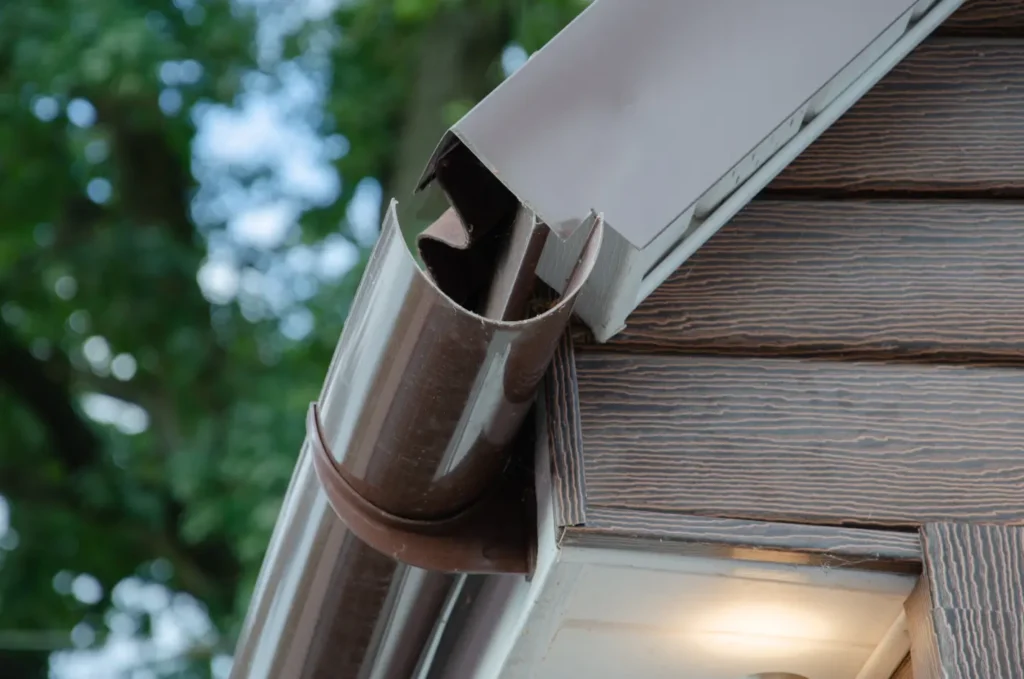
The two leading causes of fascia and soffit damage are failing gutters and poor attic ventilation. Both keep the boards wet, and constant moisture is what destroys them, even treated wood, within a few years. Understanding the root causes is the key to fixing the problem for good instead of just replacing rotted boards over and over.
The earliest warning signs of fascia and soffit trouble show up along the roofline, before any interior leak appears. Walking your home’s perimeter twice a year and looking up lets you catch these clues while repairs are still small. Watch for the following.
One caution: don’t just paint over peeling or soft wood. Covering damaged boards traps the moisture and speeds up the rot, so the real fix means addressing the cause underneath.
Arlington’s climate and older housing stock make fascia and soffit damage especially common and worth catching early.
Ice dams and freeze-thaw: With roughly 100 freeze-thaw cycles a year, ice dams form at the eaves and drive water straight into the fascia, one of the biggest local threats.
Heavy tree cover: Arlington’s mature trees fill gutters with leaves, and the overflow that follows soaks the fascia and soffit below.
Older homes: Many Arlington homes have original wood fascia and soffit that may lack modern ventilation, making them more prone to hidden rot.
At OneGuard Roofing, we fix fascia and soffit damage at the root cause, not just the visible board, so the rot doesn’t come back. As a trusted roofing company in Arlington, we protect the whole roofline, gutters, ventilation, and all, so your roof and home stay dry. Honest work, done right.
Fascia and soffit may be the most overlooked parts of your roof, but they hold the whole edge together. When they fail, the damage doesn’t stay contained, it topples through your gutters, roof deck, attic, and eventually your interior, one domino at a time. The two boards even rot each other, which is why a small soft spot never stays small for long.