What to Do If a Tree Falls on a Roof? 5 Immediate Actions to Take
If a tree falls on a roof, take these 5 immediate actions: evacuate everyone including pets, call 911 if there’s…

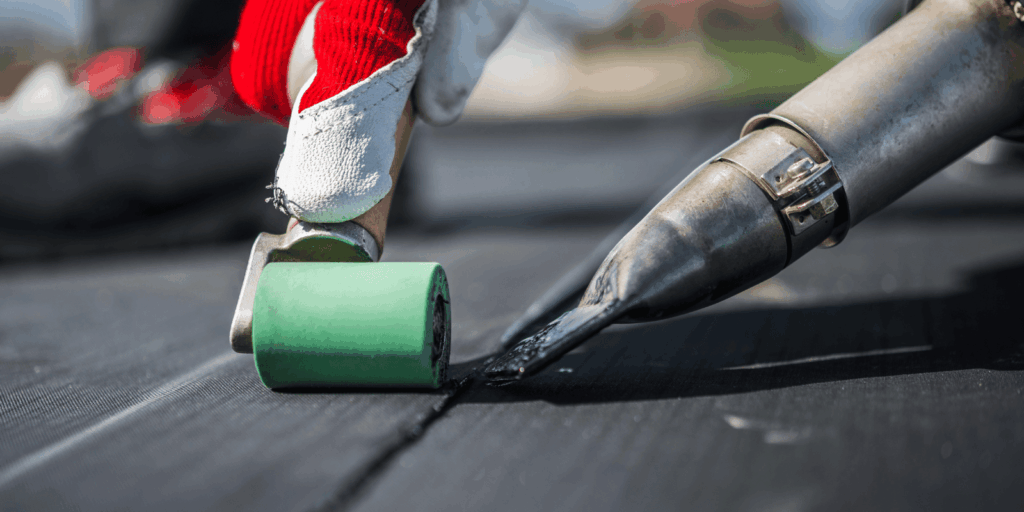
Rubber roofing typically lasts 20-30 years when properly installed and maintained, with some high-quality EPDM systems reaching 40+ years under optimal conditions, making it one of the most durable and cost-effective roofing materials for flat and low-slope roofs in Boston’s demanding climate.
This comprehensive guide covers everything Boston homeowners need to know about rubber roofing longevity from factors affecting EPDM lifespan to essential EPDM maintenance practices and rubber roof repair tips. Whether you’re evaluating roofing materials for a new installation or maintaining an existing rubber roof system, this information helps you protect your property and extend your roof’s service life.
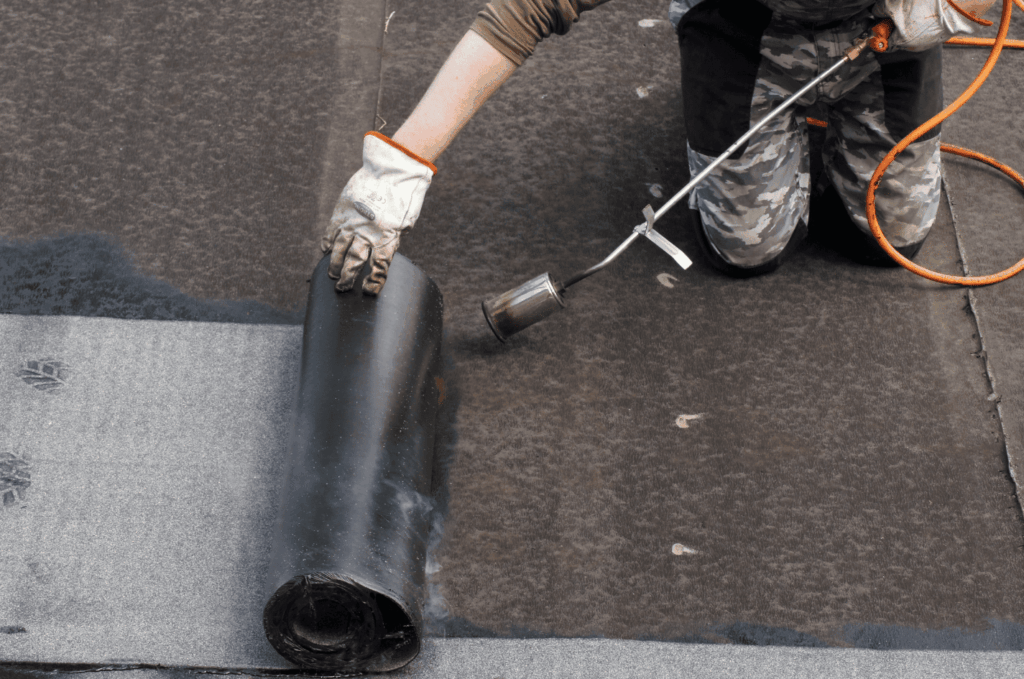
Rubber roofing is a durable, flexible membrane roofing system primarily made from EPDM (ethylene propylene diene terpolymer), a synthetic rubber compound that provides exceptional weather resistance, UV stability, and waterproofing performance for flat roofs commonly found throughout Boston’s residential and commercial properties.
Types of Rubber Roofing Materials
Common rubber roofing options include:
Rubber roofing lasts 20-30 years on average, with premium EPDM installations reaching 40-50 years when combined with quality materials, professional roof installation, regular EPDM maintenance, and favorable conditions, making rubber roof lifespan highly dependent on several controllable and environmental factors.
Expected lifespan for rubber roofing materials:
Factors affecting rubber roof lifespan include installation quality, membrane thickness, climate exposure, drainage efficiency, foot traffic frequency, EPDM maintenance consistency, and timely rubber roof repair with Boston’s freeze-thaw cycles, snow loads, and temperature extremes placing particular demands on rubber roofing systems.
Professional installation represents the single most important factor in rubber roof lifespan. Proper seam adhesion, adequate membrane overlap, correct flashing installation, and appropriate attachment methods determine long-term performance. Thicker membranes (60 mil vs. 45 mil) provide greater durability and puncture resistance, extending service life significantly.
Boston’s climate challenges rubber roofing through freeze-thaw cycling, UV exposure, temperature extremes, and ponding water from snow and rain. EPDM handles these conditions well but requires proper drainage to prevent ponding and adequate EPDM maintenance to address weathering effects. White EPDM membranes reflect UV rays better than black, potentially extending lifespan.
Ponding water, standing water remaining 48+ hours after rain, accelerates rubber roofing deterioration. Proper roof slope, clear drains, and functional gutters prevent ponding that stresses seams and degrades membrane material. Regular roof inspection identifies drainage problems before they shorten rubber roof lifespan.
Essential EPDM maintenance practices include biannual roof inspection, debris removal, gutter and drain cleaning, seam and flashing checks, prompt rubber roof repair of any damage, and professional assessment every 3-5 years, these practices can add 10-15 years to your rubber roof lifespan when performed consistently.
EPDM maintenance inspection checklist:
Regular cleaning extends rubber roof lifespan significantly. Remove leaves, branches, and debris that trap moisture against the membrane. Clear drains and scuppers to maintain proper drainage. Avoid pressure washing which can damage EPDM, use soft brushes and appropriate cleaners designed for rubber roofing materials.
Functional gutters are essential to rubber roof longevity. Clogged gutters cause water backup, ice dams, and ponding that damages rubber roofing. Clean gutters at least twice yearly, spring and fall. Verify downspouts direct water away from foundations. Consider gutter guards to reduce maintenance frequency and protect both roof and foundation.
Your rubber roof needs repair when you notice visible membrane damage, seam separation, blistering or bubbling, ponding water, interior water stains, flashing deterioration, or shrinkage pulling membrane away from edges, addressing these issues promptly through rubber roof repair prevents minor problems from requiring complete roof replacement.
Warning Signs Requiring Rubber Roof Repair
Schedule rubber roof repair when you notice:
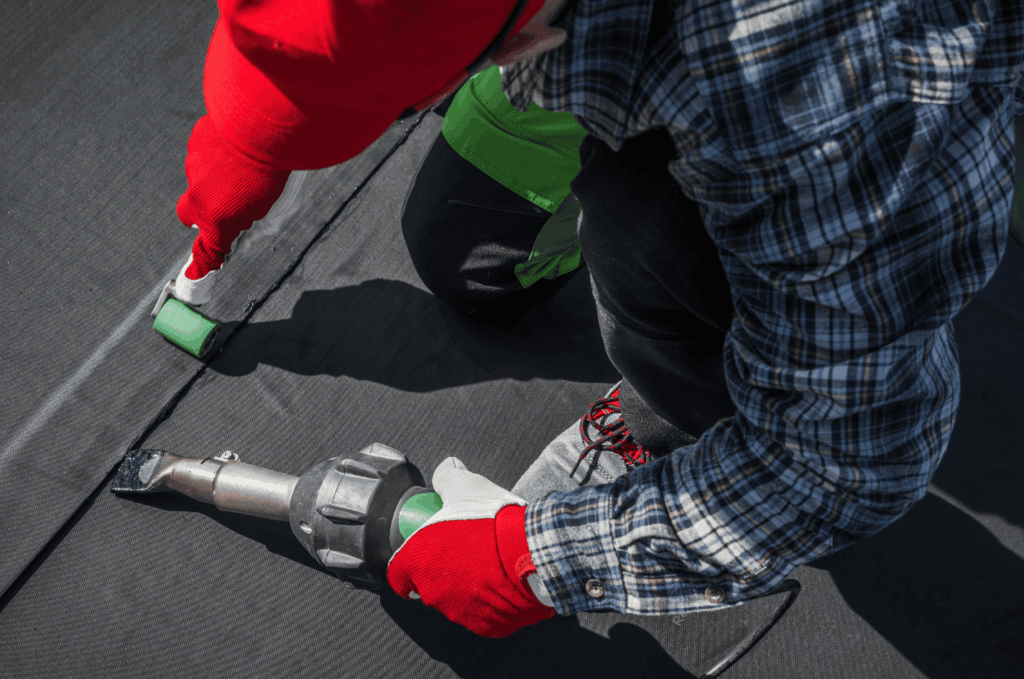
Rubber flat roof repair involves cleaning the damaged area, applying EPDM primer, installing patches with rubber membrane material, sealing edges with lap sealant, and allowing proper cure time, professional repair ensures lasting results while DIY patches may provide temporary solutions for minor damage.
Professional rubber roof repair techniques:
You should consider roof replacement instead of rubber roof repair when your roof exceeds 20-25 years, when damage affects more than 25% of the surface, when multiple repairs have already been performed, when shrinkage is widespread, or when repair costs approach 50% of replacement value, these indicators suggest replacement provides better value than continued repair.
Consider roof replacement when:
Boston’s climate impacts rubber roofing through approximately 100 annual freeze-thaw cycles, heavy snow accumulation, ice dam formation, intense summer UV exposure, and temperature swings exceeding 100°F between seasons, all factors that stress rubber roofing materials and make proper EPDM roof maintenance essential for maximizing rubber roof lifespan.
Protect your rubber roof from Boston weather:
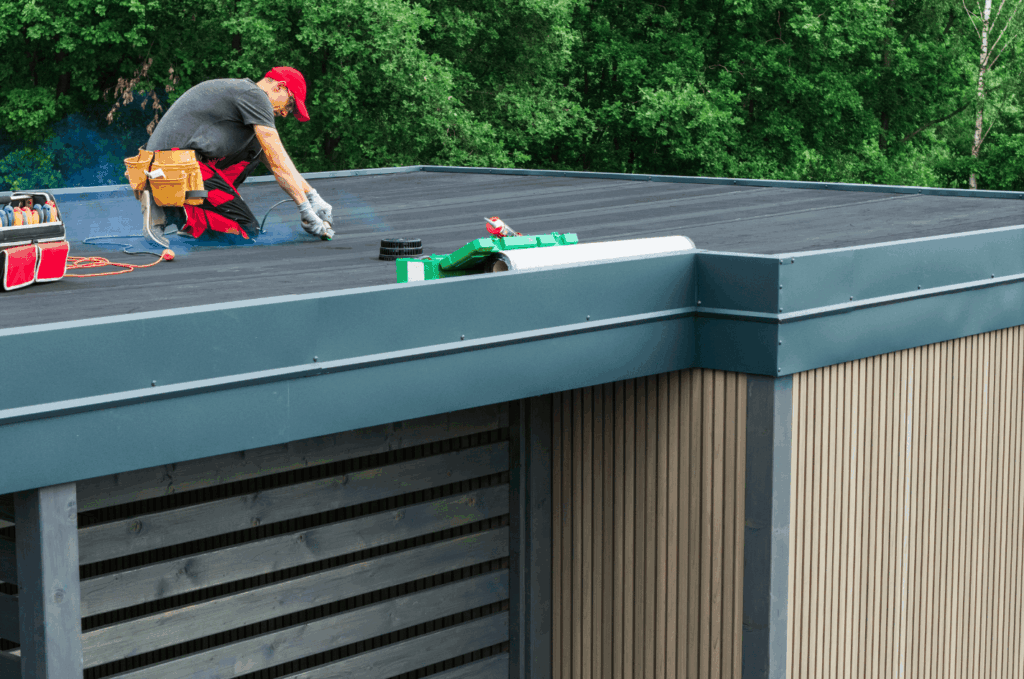
OneGuard Roofing specializes in rubber roof materials, maintenance, and repair throughout Greater Boston. Our 5-star rated team helps homeowners maximize rubber roof lifespan through quality workmanship and ongoing support.
Maximize Your Rubber Roof Lifespan, Schedule Your First Inspection
Whether you need rubber roof repair, EPDM maintenance guidance, or honest assessment of whether roof replacement makes sense, our free drone inspection provides a comprehensive evaluation of your rubber roofing system. We identify current issues and recommend the most cost-effective solutions for your situation.
Contact us to schedule your first inspection. We serve Boston, Cambridge, Brookline, Newton, Somerville, Quincy, and all Greater Boston communities. Protect your rubber roofing investment with expert care from the team Boston homeowners trust.