What to Do If a Tree Falls on a Roof? 5 Immediate Actions to Take
If a tree falls on a roof, take these 5 immediate actions: evacuate everyone including pets, call 911 if there’s…

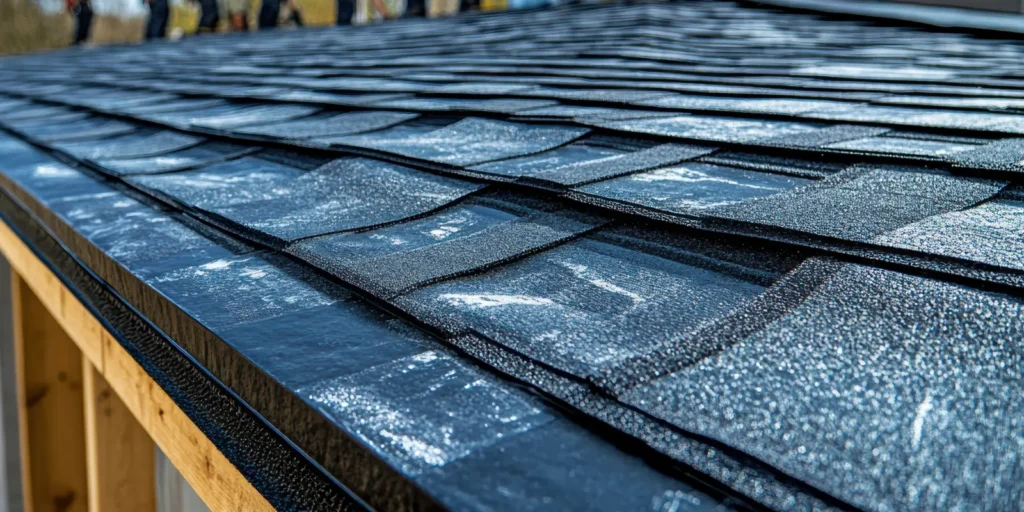
Roof damage does not stay small for long. What starts as a single missing shingle or a hairline crack in flashing can turn into a soaked attic, rotted decking, and mold growth within just a few weeks. Boston homeowners face this risk more than most, thanks to a climate that shifts from heavy snow and ice to spring rain to summer heat all within a few months. This post breaks down how fast roof damage escalates at each stage and why acting quickly on roof repair is always the smarter, cheaper choice.
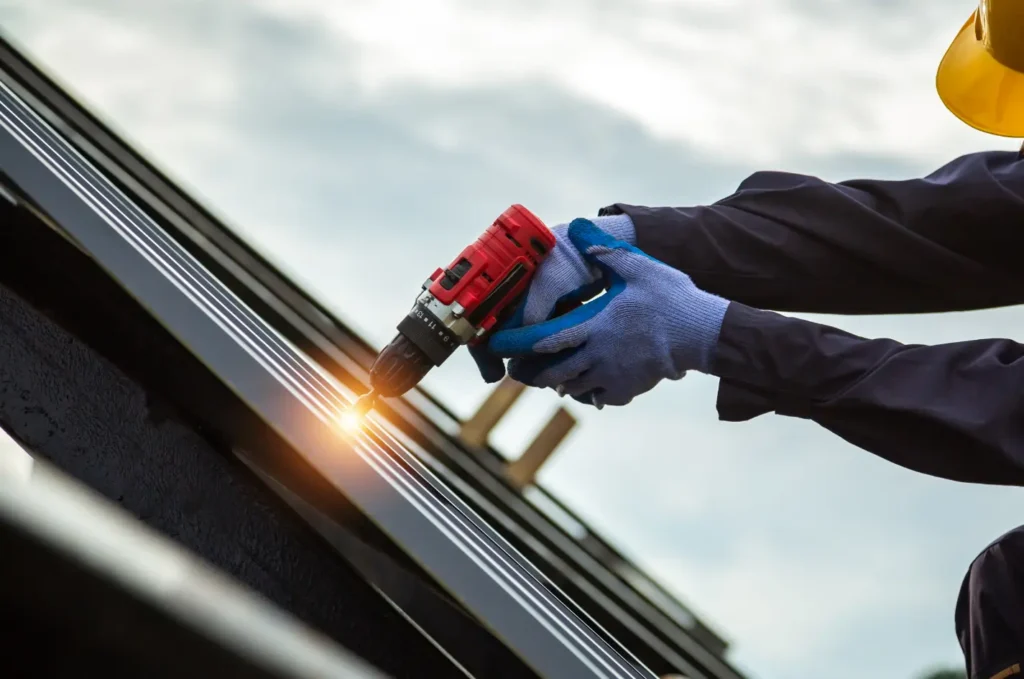
Boston’s weather is one of the main reasons roof damage spreads so quickly here. The freeze-thaw cycle alone is enough to turn a minor crack into a major leak. Water gets into a small gap, freezes overnight, expands, and widens the opening. Then it thaws, lets in more water, and the cycle repeats throughout the winter.
Add heavy rain in spring, intense UV exposure in summer, and falling debris in fall, and your roof is under stress year-round. Materials like asphalt shingles lose their protective granules faster in this climate, leaving the underlayer exposed. EPDM membranes on flat roofs develop seam failures when they go through repeated expansion and contraction. No roofing material is immune to Boston weather, and none of them improve on their own once damage starts.
Minor roof damage is easy to overlook because it rarely causes an immediate problem inside your home. A few lifted or cracked shingles, a small gap around a chimney, or a slightly separated flashing joint may not show any interior signs for weeks or even months.
This is the most important stage to catch. Roof repair at this point is quick, inexpensive, and completely contained. A roofing contractor can replace a handful of damaged shingles, reseal flashing, or apply a targeted patch to an EPDM seam in a matter of hours. The total cost is a fraction of what the same problem will cost if left alone.
Catching early-stage roof damage means knowing what to look for before the problem shows up inside. After any major storm or strong wind event, take a few minutes to check these areas:
If you spot any of these, schedule roof damage repair right away. Do not wait to see if a leak develops indoors.
Moderate roof damage is what happens when minor issues go unaddressed for one to three months. At this stage, water has found a consistent path through your roofing system. You may start to notice water stains on ceilings, a musty smell in the attic, or damp insulation during or after rain.
This is where the damage starts multiplying. Water soaking into your roof decking weakens the wood structure that holds your entire roof together. Wet insulation loses its thermal value, which raises your heating and cooling costs. If water reaches your ceiling drywall or interior framing, the repair scope grows significantly.
Asphalt roof repair at this stage often involves replacing not just the surface shingles but also the underlayment beneath them. EPDM roof repair may require seam re-bonding or section replacement rather than a simple patch. The cost is meaningfully higher than Stage 1, and the job takes longer because more layers of the roofing system are involved.
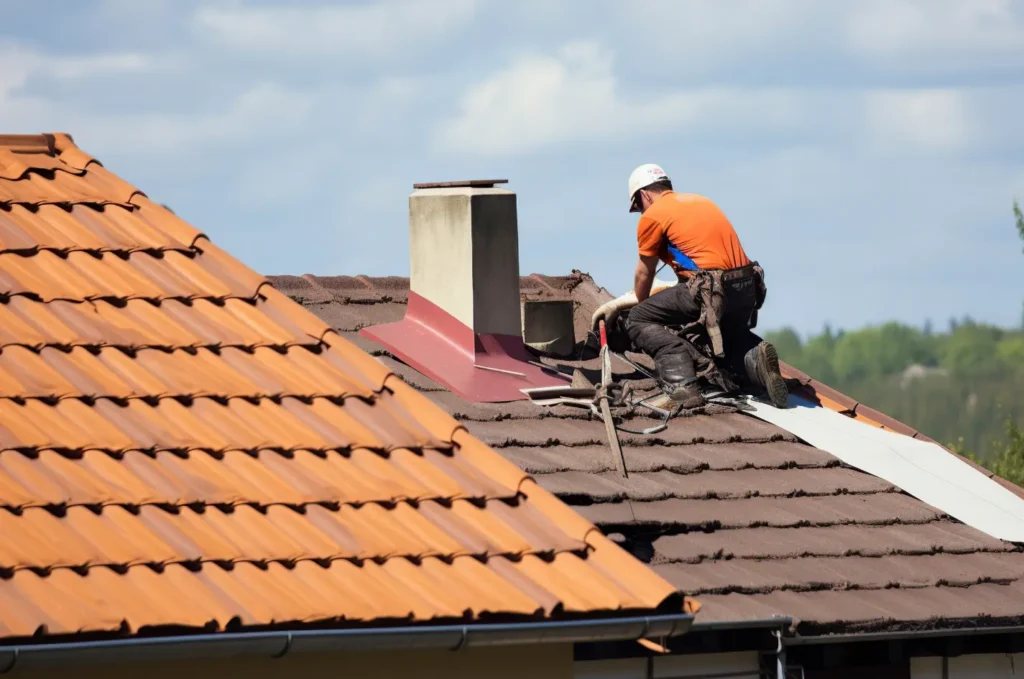
Your attic is usually the first place to show evidence of an emergency roof leak, and the damage it sustains is often more serious than homeowners expect. Wet wood decking begins to soften and rot, sometimes within just a few weeks of consistent moisture exposure. Insulation that absorbs water compresses and clumps, losing much of its insulating ability and becoming a breeding ground for mold spores. If your attic has any electrical wiring near the leak path, water intrusion also creates a fire and shock hazard.
By the time attic damage is visible, roof repair alone may not be enough. You may also be looking at insulation replacement, mold remediation, and structural drying, all of which add time and cost to the project.
Severe roof damage occurs when water intrusion has been active for several months or the roof has sustained major impact from a fallen tree, hail, or a serious structural issue. At this point, the damage often extends beyond what targeted roof repair can fix.
Signs that you may be looking at a roof replacement rather than a repair include widespread shingle failure across large sections of the roof, sagging or spongy areas that indicate rotted decking underneath, visible daylight through the roof boards in the attic, or mold growth that has spread from the attic into interior wall cavities.
A full roof installation at this stage is not just about stopping the leak. It is about restoring the structural integrity of your home and protecting everything inside it. While the upfront cost of roof replacement is higher, it is almost always more cost-effective than continuing to patch a roof that has failed systemically.
Asphalt shingles are the most common roofing material on Boston homes, and knowing when to emergency roof repair versus replace them can save you thousands of dollars. Asphalt roof repair makes sense when the damage is contained to a small section, the rest of the roof is in good condition, and the roof is less than 15 years old.
Full asphalt roof replacement becomes the right choice when the roof is approaching or past the 20-year mark, when more than 30 percent of the surface is damaged, or when repairs have been performed repeatedly in recent years. An experienced emergency roofing contractor can assess the overall condition of your decking, underlayment, and ventilation system and give you an honest recommendation based on the actual state of your roof rather than just the surface appearance.
EPDM rubber roofing is widely used on flat and low-slope roofs across Boston’s commercial buildings and multi-family homes. It is durable, but it is not indestructible. EPDM roof repair is appropriate for isolated seam separations, punctures, or small membrane tears that have not spread. A qualified roofing contractor can re-bond separated seams, apply EPDM patch material, or reseal flashings to restore the system.
When the EPDM membrane has become brittle with age, when seam failures are widespread, or when the insulation beneath the membrane has been soaked, full EPDM roof replacement is the more reliable solution. Partial patches on an aged membrane often fail again within a season or two, making repeated repair more expensive in the long run than starting fresh.
Visible roof damage does more than let water in. It directly affects the market value of your home and can complicate your homeowner’s insurance coverage. Appraisers and home inspectors flag roof damage as a material defect, which can lower your appraised value or cause a sale to fall through entirely.
Insurance companies may also reduce your coverage or increase your premiums if a routine inspection reveals deferred maintenance or long-standing damage. If a claim is filed for damage that could have been addressed earlier, the insurer may argue that negligence contributed to the loss and limit the payout accordingly.
Staying current on roof repair and scheduling annual inspections keeps your coverage intact and your home’s value protected.
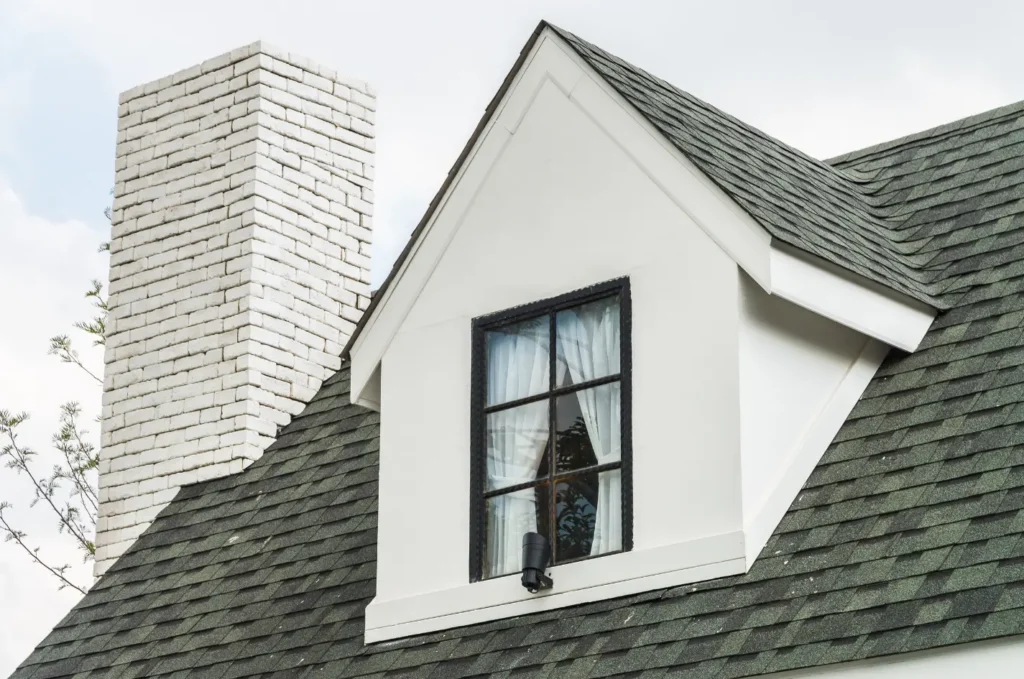
The right time to call for professional roof damage repair is as soon as you notice any sign of a problem, not after a leak appears inside your home. Waiting costs money. Every additional rain event or freeze-thaw cycle expands the damage and increases the scope of work needed.
Look for a roofing services company in Boston, MA that is fully licensed and insured, familiar with both residential and commercial roofing systems, and experienced with the specific materials used on your roof, whether that is asphalt shingles, EPDM membrane, or built-up roofing. A trustworthy contractor will give you an honest assessment, explain your repair versus replacement options clearly, and provide a written estimate before any work begins.
Roof damage does not wait, and neither should you. The difference between a minor roof repair and a full roof installation often comes down to how quickly the problem was caught and addressed. OneGuard Roofing provides professional roof damage repair, asphalt roof repair, EPDM roof repair, roof replacement, and complete roof installation services across Boston, MA.
Their team knows Boston’s climate, its roofing systems, and what it takes to protect homes and buildings through every season. Whether you are dealing with active damage or want a thorough inspection to get ahead of potential problems, contact OneGuard Roofing today for honest, expert roofing services in Boston, MA.