What to Do If a Tree Falls on a Roof? 5 Immediate Actions to Take
If a tree falls on a roof, take these 5 immediate actions: evacuate everyone including pets, call 911 if there’s…

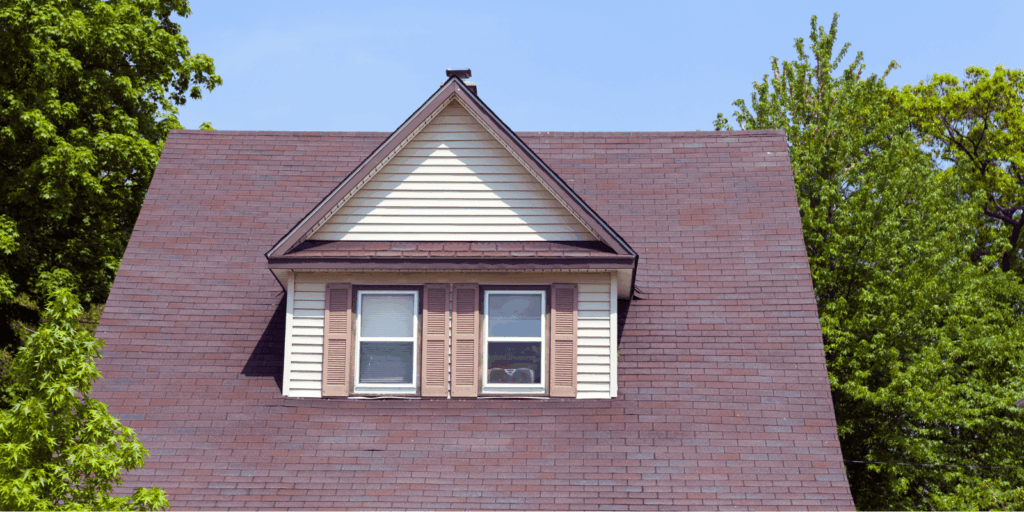
Spring marks the ideal time for Boston homeowners to assess roofing materials, address winter damage, and plan roof replacement or roof rejuvenation projects, making it essential to understand which roof materials for spring perform best. After months of freeze-thaw cycles, ice dams, and nor’easters, your roof deserves attention, and spring provides perfect conditions for inspection, repair, and replacement work.
This comprehensive guide covers the best roofing materials for Boston homes, explains how each performs against our unique weather challenges, provides a complete spring roof maintenance checklist, and helps you determine whether roof repair, roof rejuvenation, or spring roof replacement makes sense for your situation.
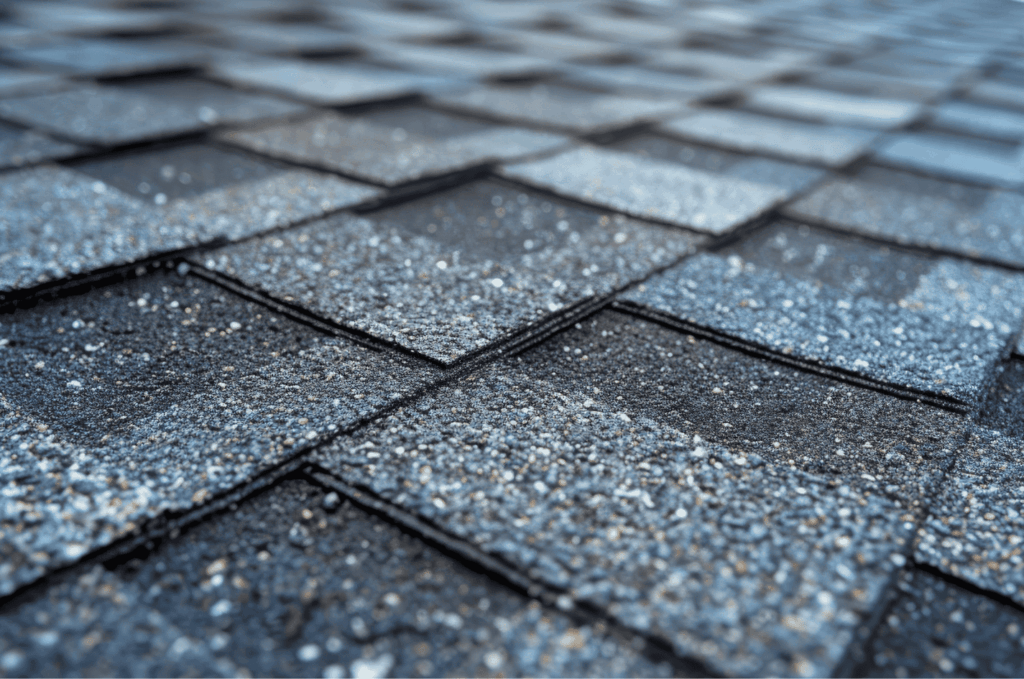
Spring is the best time for roofing projects because temperatures between 45-70°F allow optimal shingle sealing, winter damage becomes visible and addressable, and scheduling flexibility exists before the busy summer season fills contractor calendars. Boston’s spring weather creates ideal conditions for both roof inspection and roof installation work.
When Roofing materials are installed in moderate temperatures, they perform better. Asphalt shingles require warmth for proper adhesive activation too cold and they won’t seal, too hot and they become overly pliable. Spring’s moderate temperatures ensure roofing materials bond correctly and last as intended. Additionally, spring’s typically dry weather allows uninterrupted work and proper curing of sealants and adhesives.
Boston winters stress roofing systems significantly. Ice dams force water beneath shingles. Freeze-thaw cycling cracks and loosens materials. Heavy snow loads strain structures. Wind-driven precipitation exploits every weakness. Spring roof inspection reveals this accumulated roof storm damage before problems compound through summer storms. Addressing issues now prevents costlier repairs later.
The best roofing materials for Boston are architectural asphalt shingles for most residential applications, offering proven durability against ice, snow, and temperature extremes at reasonable cost, though metal roofing excels for longevity and slate remains the premium choice for historic properties and homeowners seeking lifetime solutions.
Architectural shingles dominate Boston roofing for excellent reasons. These dimensional shingles provide superior wind resistance (rated 110-130 mph), impact resistance against hail, and Class A fire ratings. Quality manufacturers like GAF, CertainTeed, and Owens Corning offer products specifically engineered for harsh climates. Well-installed architectural shingles last 25-30 years in our climate of excellent value as roof materials for spring replacement projects.
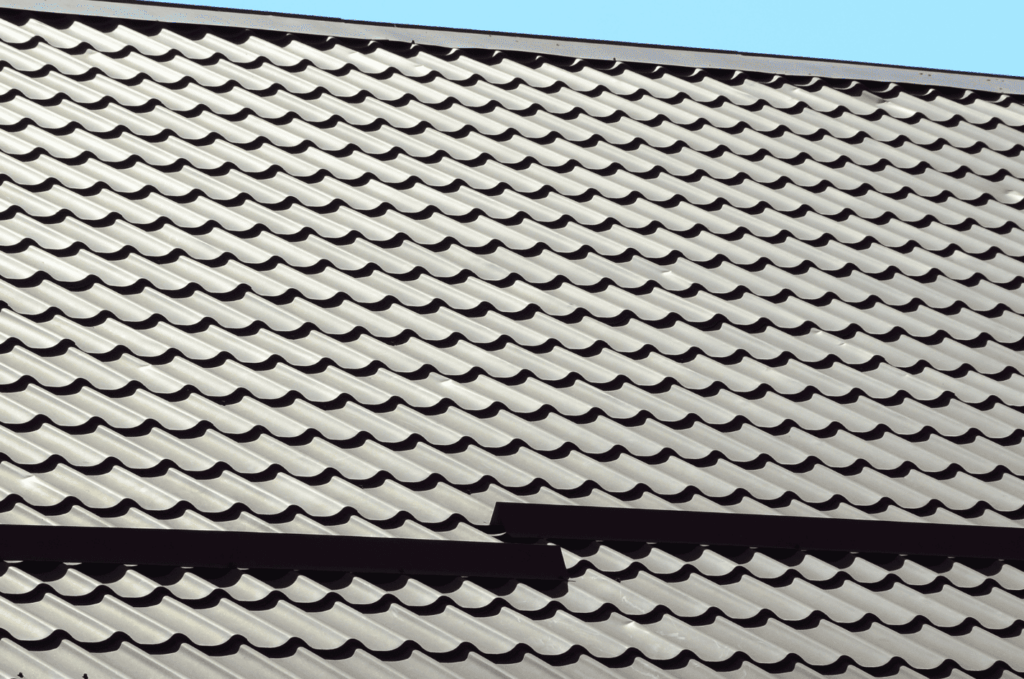
Metal roofing offers exceptional performance for Boston homes, lasting 40-70 years with minimal maintenance. Standing seam metal excels at shedding snow and ice critical in our climate. Metal’s reflective properties improve energy efficiency, reducing cooling costs. While higher initial cost places metal among premium roofing materials, lifetime value often exceeds asphalt. Metal works particularly well for contemporary architecture and low-slope applications where traditional shingles underperform.
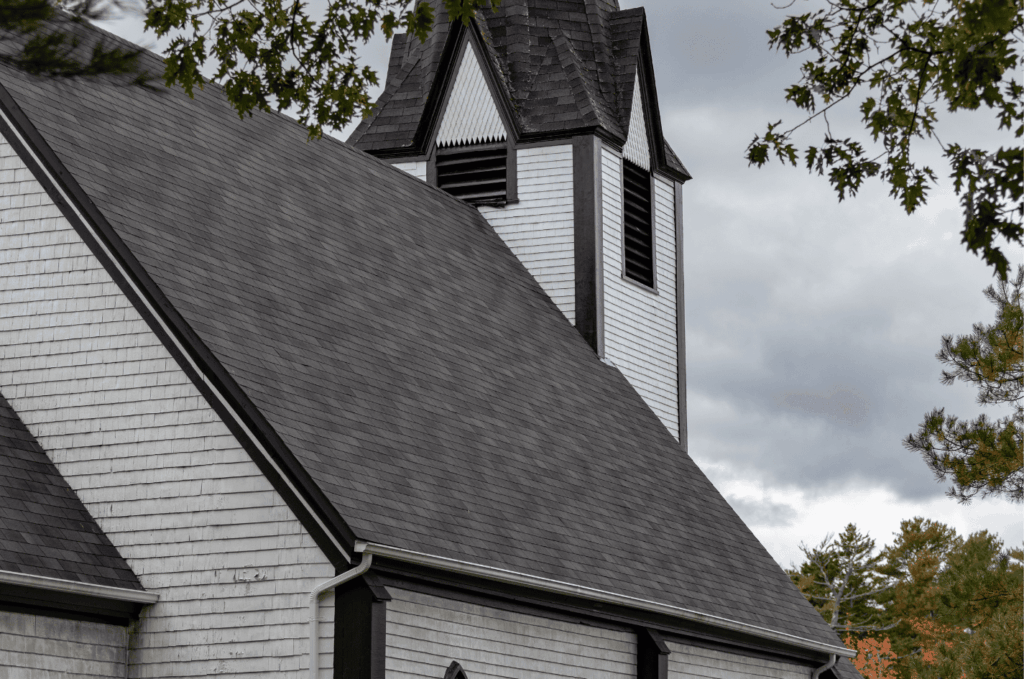
Slate represents the ultimate roofing materials choice for Boston’s historic homes and discerning homeowners. Natural slate lasts 75-150 years often outliving the structures beneath it. Slate handles freeze-thaw cycling exceptionally well when properly installed. While spring roof replacement with slate requires significant investment, multi-generational longevity provides unmatched value for those planning to remain in their homes long-term.
Other roofing materials suitable for Boston include:
Your spring roof maintenance checklist should include visual roof inspection for winter damage, gutter cleaning and assessment, attic examination for moisture issues, flashing and sealant evaluation, and professional roof inspection to identify problems invisible from ground level completing these tasks prevents small issues from becoming major repairs.
From ground level, examine your roof for:
Spring roof maintenance includes attic examination. Look for daylight through roof boards, water stains on rafters or sheathing, damp or compressed insulation, mold or mildew growth, and signs of pest intrusion. These interior indicators often reveal damage invisible from outside and guide roof repair priorities.
Winter debris accumulates in gutters, and spring cleaning is essential. Remove leaves, twigs, and granules from gutters and downspouts. Check for proper pitch ensuring water flows toward downspouts. Examine for rust, holes, or separated seams. Verify downspouts direct water away from foundations. Functioning gutters protect your roof and home’s foundation.
You should consider roof rejuvenation this spring if your asphalt shingles are 8-15 years old, show moderate granule loss but remain structurally sound, and you want to extend roof life 5-10 years without full replacement cost. Roof rejuvenation treatments restore flexibility and protective oils at a fraction of replacement expense.
Roof rejuvenation applies bio-based treatments that penetrate aging shingles, restoring the oils that keep them flexible and weather-resistant. As shingles age, these oils evaporate, causing brittleness, cracking, and granule loss. Rejuvenation reverses this process, extending serviceable life. This treatment costs 15-20% of roof replacement while potentially adding 5-10 years of protection, an attractive option for roof materials for spring maintenance budgets.
Roof rejuvenation works best on asphalt shingles showing early-to-moderate aging but without severe damage. Ideal candidates have shingles 8-15 years old, moderate granule loss without bare spots, no significant curling or cracking, and sound structural condition. Severely deteriorated roofs benefit more from spring roof replacement than rejuvenation treatments.
You should choose roof repair when damage is localized, your roof is under 15 years old, and repair costs stay below 30% of replacement value but choose spring roof replacement when damage is widespread, your roofing materials have exceeded expected lifespan, or accumulated repair costs approach replacement investment.
Roof repair makes sense for isolated winter damage, localized leaks with identifiable sources, missing shingles in limited areas, flashing failures around specific penetrations, or storm damage affecting particular sections. Quality repairs restore protection cost-effectively when your overall roofing system remains sound.
Spring roof replacement becomes the better choice when multiple issues exist simultaneously, when roofing materials exceed their lifespan, when previous repairs have failed, or when repair costs accumulate toward replacement value. Post-winter roof inspection often reveals systemic problems making replacement more economical than continued patching.
Professional spring roof inspection is important because trained experts identify damage invisible from ground level, assess structural integrity beyond surface appearance, provide documentation for insurance claims, and offer unbiased recommendations for roof rejuvenation, or replacement catching problems early when solutions remain affordable.
Professional roof inspection identifies issues homeowners typically miss. Subtle flashing failures, underlayment deterioration, ventilation problems, hidden water damage, and early structural concerns all require trained eyes and sometimes specialized equipment to detect. Modern drone inspection technology allows comprehensive assessment without walking on potentially compromised surfaces.
Boston winters create distinct damage patterns. Ice dam damage along eaves requires careful evaluation. Freeze-thaw stress affects flashing and sealants. Heavy snow may have strained structures. Nor’easter winds loosen and displace materials. Spring roof maintenance should specifically assess these Boston-specific vulnerabilities. Experienced local contractors understand these patterns and know where problems typically develop.
Spring scheduling fills quickly as homeowners throughout Cambridge, Brookline, Newton, Somerville, Quincy, and Greater Boston address winter damage. Contact contractors early to secure preferred timing. Allow time for multiple estimates if planning spring roof replacement. Quality roofing materials may require ordering, so early planning ensures availability when your project begins.
OneGuard Roofing helps Boston homeowners make the most of spring roofing season. From inspection through installation, our 5-star rated team delivers expertise in all roofing materials and services.
Don’t let winter damage compound into costly problems. Our free drone inspection reveals exactly what your roof needs this spring, whether that’s simple maintenance, targeted repair, roof rejuvenation, or spring roof replacement with quality roofing materials suited to Boston’s climate.
Contact us to schedule your spring inspection. We serve Boston, Cambridge, Brookline, Newton, Somerville, Quincy, and all Greater Boston communities.