Fascia and Soffit Damage: How It Affects Your Roof and Gutters
Fascia is the vertical board along your roof edge that holds your gutters; soffit is the panel underneath that ventilates…

The weather in Greater Boston tests every roof throughout the year. From heavy snowfall and ice dams in winter to hot, humid summers and powerful nor’easters, your roof must handle it all. The wrong choice can lead to costly repairs, energy loss, and a shorter roof lifespan.
Today, we will look at which materials work best for our extreme cold climate and help you understand what makes each roofing type available for Boston homes.
What is the best roofing material for Weston? This is one of the most common questions homeowners ask. The answer depends on your roof type, budget, and specific needs. However, some materials clearly perform better than others in our challenging climate.
For most homes with pitched roofs, architectural asphalt shingles offer the best balance of cost, durability, and performance. They handle freeze-thaw cycles well and come with excellent wind resistance ratings. If you want longer life and superior snow-shedding ability, standing seam metal roofing is an excellent upgrade.
Materials that can handle thermal expansion and contraction without cracking are essential. Metal roofing, slate, and quality asphalt shingles all perform well. For flat roofs, EPDM rubber roofing is a top choice because it stays flexible even in freezing temperatures.
Before choosing roofing materials, you need to understand the different roof shapes common in Greater Boston. Each style has its own strengths and works better with certain materials.
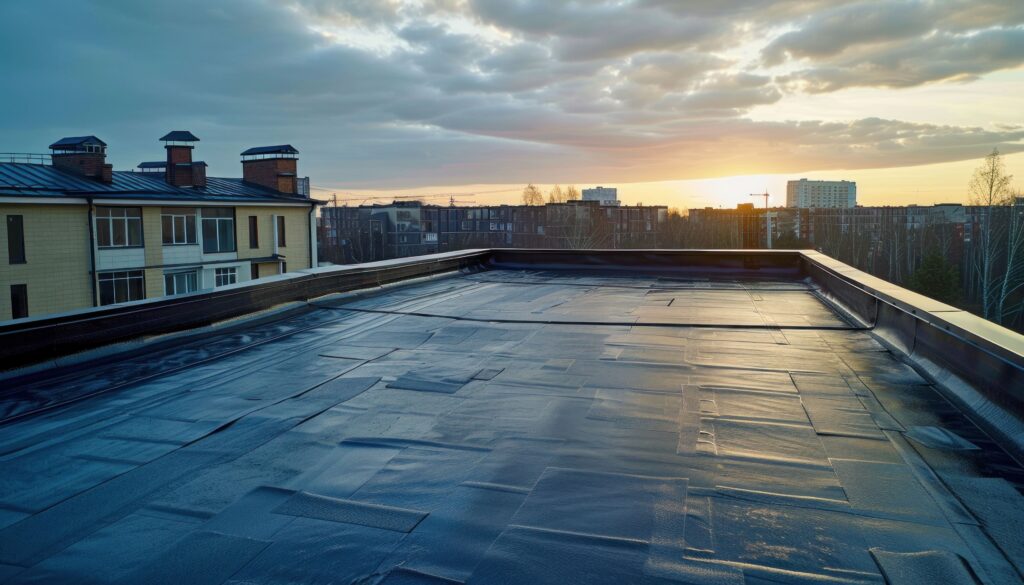
Flat roofs are common on Boston’s triple-deckers, commercial buildings, and some modern homes. Despite the name, these roofs have a slight pitch to allow water drainage. Roofing types for flat roofs include EPDM rubber, TPO, and modified bitumen membranes.
Flat roofs face unique challenges in Boston. Snow can accumulate and add significant weight. Proper drainage is critical to prevent ponding water. The right flat roof material must be waterproof, flexible in cold temperatures, and able to handle the stress of Boston winters.
Gable roofs are the most common style in Malden. They feature two sloping sides that meet at a central ridge, creating a triangular shape at each end. This design is excellent for shedding snow and rain, making it ideal for Boston’s climate.
Gable roofs provide more attic space and better ventilation than other styles. They work well with almost all roofing materials, including asphalt shingles, metal, slate, and cedar. However, they can be vulnerable to wind damage if not properly braced, so quality installation is important.
Hip roofs have four sloping sides that meet at a ridge or peak. This design is more stable and wind-resistant than gable roofs because there are no flat ends for wind to catch. Hip roofs are popular on upscale homes throughout Greater Boston.
The main trade-off with hip roofs is less attic space and higher construction costs. They also may not shed snow quite as efficiently as steep gable roofs. However, their superior wind resistance makes them a good choice for exposed locations.
Shed roofs have a single sloping surface. They are common on additions, porches, and modern architectural designs. This simple design makes them easy to build and provides good drainage when oriented correctly.
In Boston, shed roofs work well when the slope faces away from prevailing winds. They can use the same materials as gable roofs, including asphalt shingles, metal, and rubber membranes for lower slopes.
Now let us look at the specific roofing materials that work best in Greater Boston. Modern roofing materials have improved significantly, offering better protection and longer lifespans than ever before.
Architectural asphalt shingles from quality manufacturers like GAF, CertainTeed, and Owens Corning are the top choice. These shingles are thicker and more durable than basic three-tab options, lasting 25 to 30 years with proper care.
Asphalt shingles come with affordable pricing, easy roof installation, many color and style options.
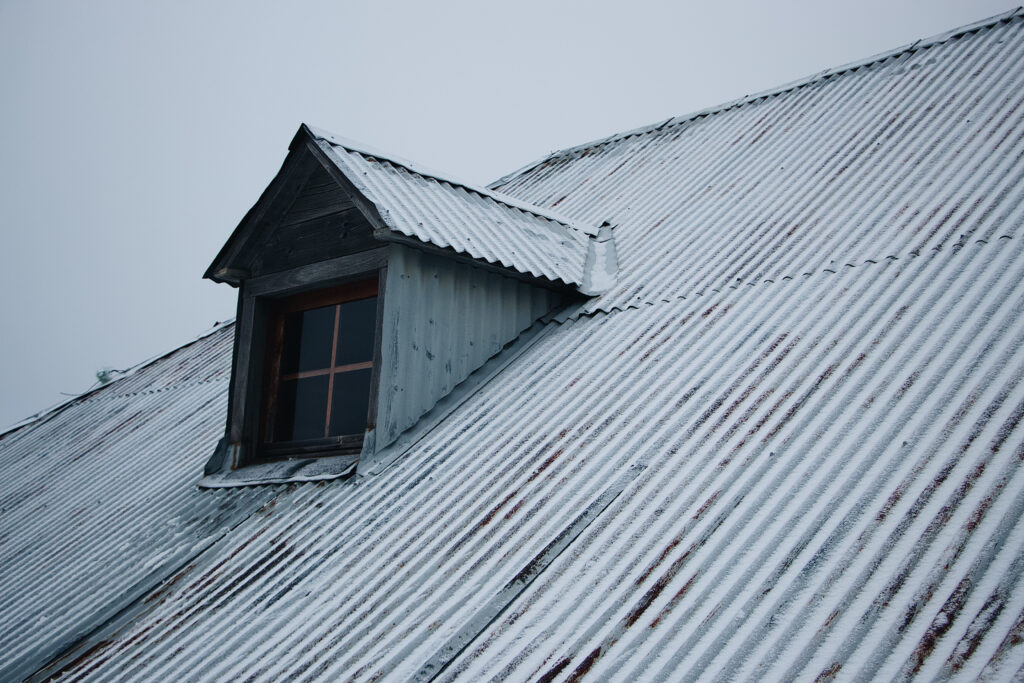
Metal roofing types include standing seam panels, metal shingles, and corrugated panels. Metal is one of the best materials for Boston because it sheds snow easily, resists ice dam formation, and lasts 40 to 70 years.
Slate roofing materials are the gold standard for durability and beauty. Natural slate can last 100 years or more when properly installed. It resists fire, rot, and insects naturally. Boston has many historic homes with original slate roofs that have protected them for generations.
For Boston’s climate, EPDM is often the preferred choice for flat roofs. EPDM is a synthetic rubber that stays flexible in extreme cold, making it ideal for our harsh winters.
EPDM has been proven for over 50 years and can last 30 years or more with proper maintenance and easy roof repair. It handles freeze-thaw cycles better than TPO and absorbs heat from the sun, which can help with passive heating in winter. TPO is better for hot climates where heat reflection is the priority.
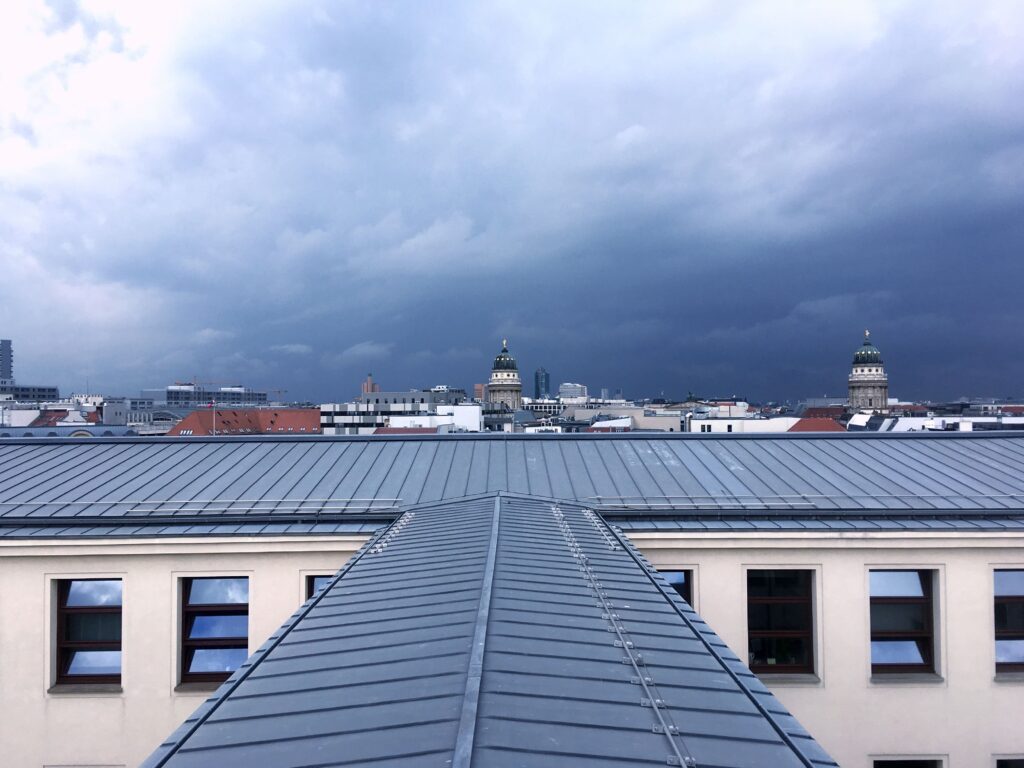
Standing seam metal roofing is a premium metal roofing type with vertical panels connected by raised seams. The seams contain hidden fasteners, which eliminates leak points and creates a sleek, modern appearance.
This roofing service excels in Boston because snow and ice slide off the smooth surface easily. Standing seam roofs can last 50 years or longer and require minimal maintenance.
Matching the right material to your roof type is essential for performance and longevity. Here is a quick guide:
Flat Roofs: EPDM rubber roofing is the best choice for Boston flat roofs. It handles our cold winters better than TPO and provides excellent waterproofing. TPO can work in some situations, but EPDM’s proven track record in cold climates makes it the safer choice.
Gable Roofs: Architectural asphalt shingles offer the best value. For longer life and better snow shedding, upgrade to standing seam metal. Historic homes should consider slate for authenticity and extreme durability.
Hip Roofs: Asphalt shingles or metal roofing both work well. The complex design of hip roofs means installation quality matters greatly. Choose experienced contractors familiar with these roof shapes.
Shed Roofs: For steep shed roofs, use the same materials as gable roofs. For low-slope shed roofs, consider EPDM or standing seam metal for better water resistance.
The best materials for our winters share several qualities: they resist ice dam formation, handle heavy snow loads, stay flexible in extreme cold, and survive constant freeze-thaw cycles.
Metal roofing, especially standing seam, is arguably the best for winter performance. Snow slides off easily, reducing ice dam risk and eliminating the need for frequent snow removal. The concealed fasteners cannot work loose from thermal expansion and contraction.
Quality asphalt shingles perform well in winter when installed with proper ice and water shield along the eaves and valleys. This underlayment creates a waterproof barrier that protects against ice dam leaks. Proper attic ventilation is also critical to prevent warm air from melting snow unevenly.
The best material is one that fits your budget, matches your home’s style, and can handle everything our weather throws at it.
For most homeowners, architectural asphalt shingles offer excellent value and performance. If you can invest more upfront, standing seam metal or slate roofing materials will provide decades of trouble-free protection. For flat roofs, EPDM rubber roofing remains the proven choice for Boston’s cold climate.
Remember that installation quality matters as much as material selection. Work with experienced, licensed roofing contractors who understand Boston’s unique challenges. At OneGuard Roofing, we specialize in all roofing types and materials suited to Greater Boston weather. Contact us today for a free inspection!