Fascia and Soffit Damage: How It Affects Your Roof and Gutters
Fascia is the vertical board along your roof edge that holds your gutters; soffit is the panel underneath that ventilates…

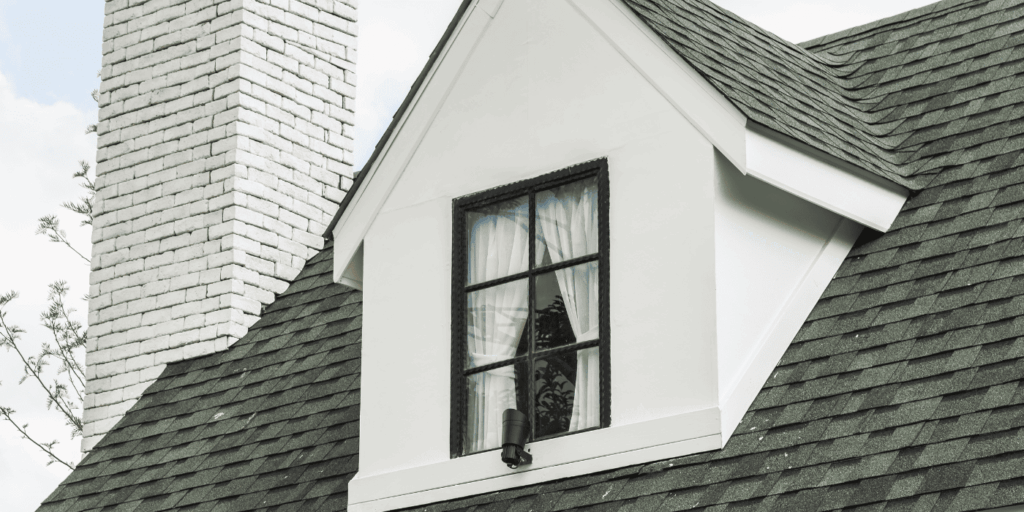
Over time, even the best shingles begin to show their age. The good news is that a full roof replacement may not be your only option. Asphalt shingle roof rejuvenation has become a popular and cost-effective way to extend the life of your existing roof by several years.
We will talk about everything you need to know about shingle roof rejuvenation, including how the process works, the benefits it offers, and what you can expect before, during, and after treatment. Also compare different types of shingle roofs and their lifespans so you can make an informed decision about your home’s roofing needs.
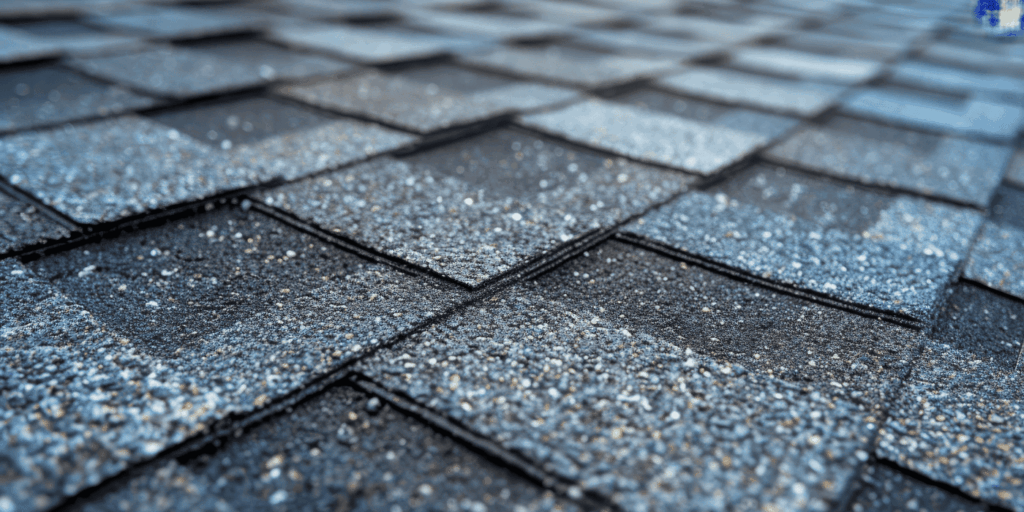
Before we discuss rejuvenation, it helps to understand the different types of shingle roofs available and how long each typically lasts. The type of shingles you have will determine whether rejuvenation is a good option for your roof.
Asphalt shingles are the most common roofing material in the United States. They consist of a fiberglass base coated with asphalt and topped with ceramic granules that protect against UV rays.
There are two main types: 3-tab asphalt shingles and architectural asphalt shingles. The standard 3-tab asphalt shingles lay flat and have a uniform appearance. They typically last 15 to 20 years and are the most affordable option. Architectural asphalt shingle roofs in Medford have multiple layers that create a dimensional, textured look similar to wood shakes or slate. These premium asphalt shingles last 25 to 30 years and offer better wind resistance. Both types are excellent candidates for rejuvenation treatment.
When comparing asphalt shingle roof vs architectural shingles, the main differences are thickness, durability, and appearance. Architectural shingles are up to three times thicker than 3-tab shingles because they have multiple laminated layers. This extra thickness provides superior protection against high winds, hail, and heavy rain.
Many architectural shingles are rated for winds up to 130 mph. They also come in a wider variety of asphalt shingle roof colors and styles, allowing homeowners to customize their roof’s appearance. The asphalt shingle roof lifespan for architectural varieties ranges from 25 to 35 years with proper maintenance.
Wood shingles, typically made from cedar, offer a natural and rustic appearance that many Lexington houses find appealing. With proper maintenance, a wood shingle roof can last 25 to 30 years. However, wood requires significantly more upkeep than other materials.
Regular inspections, cleaning, and treatments are necessary to prevent rot, insect damage, and fire hazards. Wood shingles are not candidates for the rejuvenation treatments designed for asphalt roofs.
Metal shingles combine the durability of metal roofing with a traditional shingle appearance. They can last 40 to 70 years depending on the type of metal used.
Aluminum and steel are the most common options, while premium metals like copper and zinc can last over 100 years. Metal shingles resist fire, wind, and impact damage extremely well. They do not require rejuvenation treatments since they do not contain the petrochemical oils that break down in asphalt.
Slate is a natural stone roofing material known for its exceptional beauty and longevity. A properly installed slate roof can last 75 to 150 years or even longer. The material is extremely durable, fire-resistant, and weather-resistant. However, slate is very heavy and requires additional structural support. It is also one of the most expensive roofing options. Slate does not benefit from rejuvenation treatments.
Composite or synthetic shingles are engineered materials designed to mimic the appearance of natural slate, wood, or tile at a lower cost and weight. They are made from recycled materials including rubber and plastic. Composite shingles typically last 30 to 50 years and require minimal maintenance. While they are more durable than standard asphalt, they do not typically require or benefit from rejuvenation treatments designed for asphalt shingles.
Several factors determine how long your asphalt shingle roof will actually last. Understanding these factors helps you know when rejuvenation might be beneficial.
Climate and weather play the biggest role. In Boston and Wayland, roofs face intense sun exposure in summer, heavy snow loads in winter, and constant freeze-thaw cycles. These conditions cause the petrochemical oils in asphalt shingles to dry out faster, leading to cracking and granule loss.
Installation quality matters tremendously. A roof installed by experienced professionals with proper ventilation and underlayment will last significantly longer than a poorly installed roof. Improper nailing, inadequate ventilation, and shortcuts during installation all shorten roof life.
Attic ventilation is often overlooked but critically important. Without adequate airflow, heat and moisture build up under the roof, causing shingles to deteriorate from below. Good ventilation helps regulate temperature and extends shingle life.
Regular maintenance also extends roof life. Keeping gutters clean, removing debris, trimming overhanging branches, and addressing small roof repairs promptly all contribute to a longer-lasting roof.
Asphalt shingle roof rejuvenation is a treatment process that restores aging shingles by replenishing the essential oils they lose over time. Think of it like conditioning dry leather or treating weathered wood. The treatment penetrates into the shingles and reverses the aging process that causes brittleness and cracking.
Here is how the rejuvenation process typically works.
Each rejuvenation treatment can extend your roof’s life by up to five years. With treatments repeated every five to six years, homeowners can potentially add 15 or more years to their roof’s functional lifespan. The cost is typically a fraction of full replacement, usually saving homeowners 80 percent or more compared to installing a new roof.
While rejuvenation is an excellent option for many aging roofs, some roofs are too far gone for treatment. Here are the signs that indicate your asphalt shingle roof needs full replacement rather than rejuvenation.
Widespread curling or cupping shingles indicate advanced aging. When shingles curl at the edges or cup in the middle across large areas of your roof, the structural integrity has been compromised beyond what rejuvenation can restore.
Extensive cracking or splitting throughout the roof surface means the shingles have become too brittle. While rejuvenation can prevent cracking in aging shingles, it cannot repair shingles that have already cracked significantly.
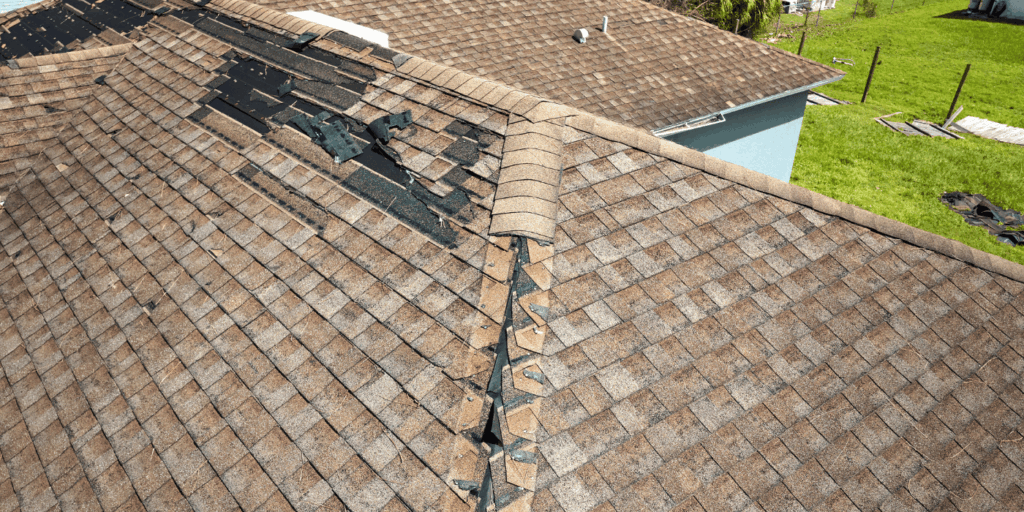
Missing shingles or exposed roof deck require replacement. Rejuvenation treats existing shingles but cannot replace missing ones or protect areas where shingles have blown off.
Active leaks and water damage indicate that your roof is no longer functioning as a water barrier. If water is getting into your home, you need repairs or replacement, not rejuvenation.
Severe granule loss with more than 25 percent of granules missing means the shingles have lost too much of their protective coating. Check your gutters for excessive granule accumulation as a sign of this problem.
Sagging or wavy roof sections suggest structural problems with the deck or framing underneath. These issues require professional repair or replacement, not surface treatment.
If your roof shows any of these advanced signs of deterioration, contact a professional roofing company for an inspection. At OneGuard Roofing, we offer free drone inspections that give you photo-verified clarity on your roof’s condition.
Contact us today to schedule your inspection.