How to Cover Roof with Tarp After Storm: Repair Water Damage
To tarp a roof after a storm, you need to secure a heavy-duty polyethylene tarp over the damaged area by…

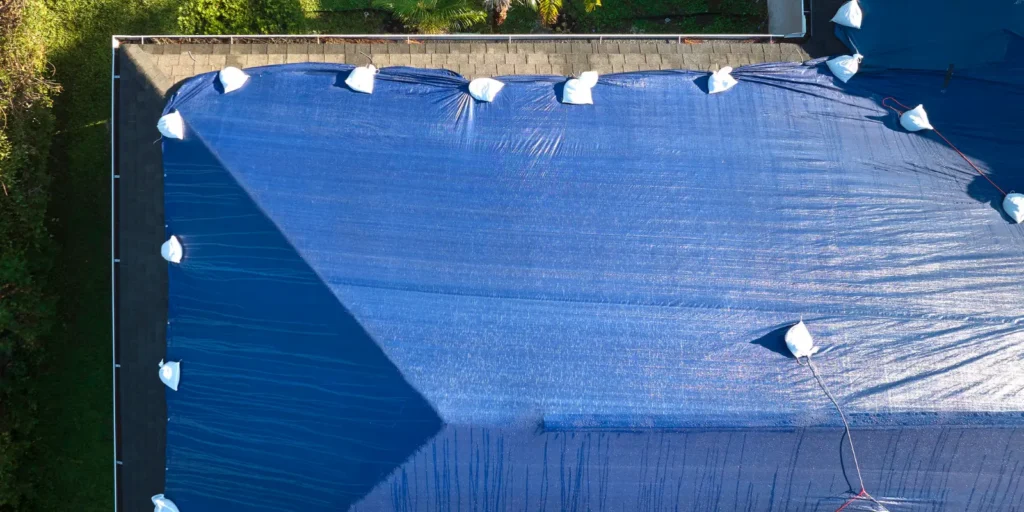
To tarp a roof after a storm, you need to secure a heavy-duty polyethylene tarp over the damaged area by anchoring it to the roof peak. Knowing how to cover roof with tarp properly can prevent thousands of dollars in water damage while you wait for professional roof damage repair. Storm roof damage requires immediate attention because even small openings allow rain to soak insulation, damage ceilings, promote mold growth, and compromise structural integrity.
This guide explains the complete process to safely tarp a roof, the materials needed, important safety considerations, and when to call emergency roofing service. Whether you experienced roof damage from a nor’easter, fallen tree, or severe hail, acting quickly to protect your home is essential.
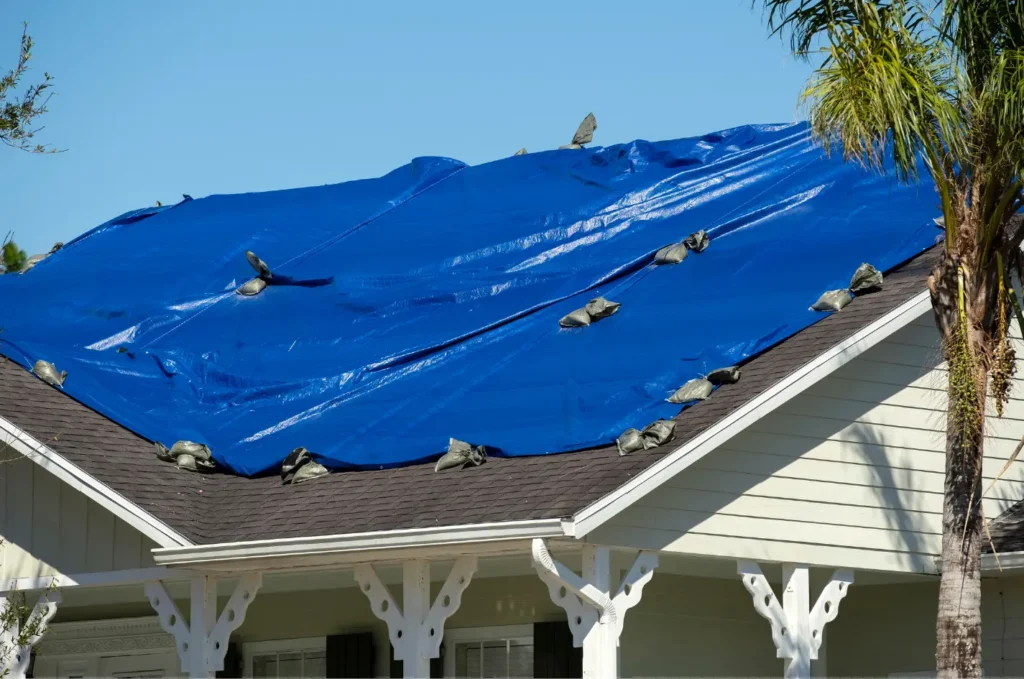
You should tarp a damaged roof because temporary protection prevents ongoing water damage, protects your belongings, maintains your insurance claim eligibility, and buys time for proper emergency roof repair. Waiting even a few hours during rainy weather can turn minor storm roof damage into major interior destruction that costs far more to repair.
Consequences of leaving roof damage exposed:
The materials you need to tarp a roof include a heavy-duty polyethylene tarp, 2×4 lumber boards, screws or nails, a hammer or screw gun, utility knife, ladder, and appropriate safety equipment. Having these supplies ready before storm season allows you to cover roof with tarp quickly when damage occurs.
You safely tarp a roof by first assessing conditions, ensuring the roof is stable enough to walk on, using proper fall protection, and working with a helper whenever possible. Safety must come first because roof damage often means unstable surfaces, and wet or damaged roofs are extremely hazardous to walk on.
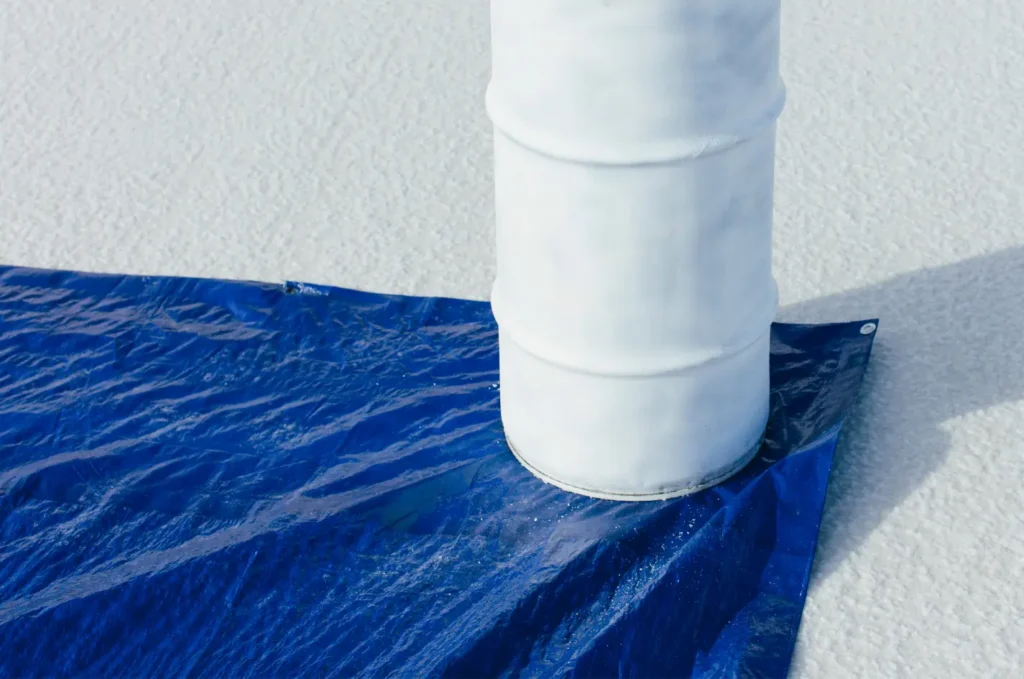
The steps to tarp a roof are: assess the roof damage, gather materials, position the tarp over the damaged area extending past the peak, secure the top edge with boards and screws, stretch the tarp tight, and anchor all remaining edges. Following this proper sequence ensures your temporary cover will withstand wind and rain until roof damage repair can be completed.
A tarp can protect a roof for approximately 30-90 days depending on tarp quality, roof installation method, and weather exposure. However, tarping is only a temporary emergency measure, and you should schedule professional roof damage repair as soon as possible. Extended tarping risks include UV degradation, wind damage, and eventual failure that leads to water damage.
Factors affecting tarp longevity:
You should call emergency roofing service when roof damage is extensive, the roof is too steep or dangerous to access safely, structural damage is visible, or you are unable to stop active water intrusion yourself. Professional emergency roof repair teams have equipment, training, and insurance to handle dangerous situations that homeowners should not attempt.
Situations requiring professional emergency service:
Boston homeowners face specific storm damage challenges that make knowing how to tarp a roof particularly valuable. Understanding local conditions helps you prepare for and respond to roof damage emergencies.
Nor’easter Storm Damage: Boston experiences multiple nor’easters each year bringing sustained winds of 50-70 mph and heavy precipitation. These storms frequently cause storm roof damage including lifted shingles, damaged flashing, and fallen tree limbs. Having tarping supplies ready before storm season and knowing a reliable roof repair Boston contractor allows rapid response when damage occurs.
Winter Storm Complications: Tarping becomes more difficult during Boston winters when roofs may be covered with snow and ice. Cold temperatures make tarps stiff and difficult to work with, while icy surfaces create extreme fall hazards. Winter storm roof damage often requires professional emergency roofing service rather than self-made tarping due to these safety concerns.
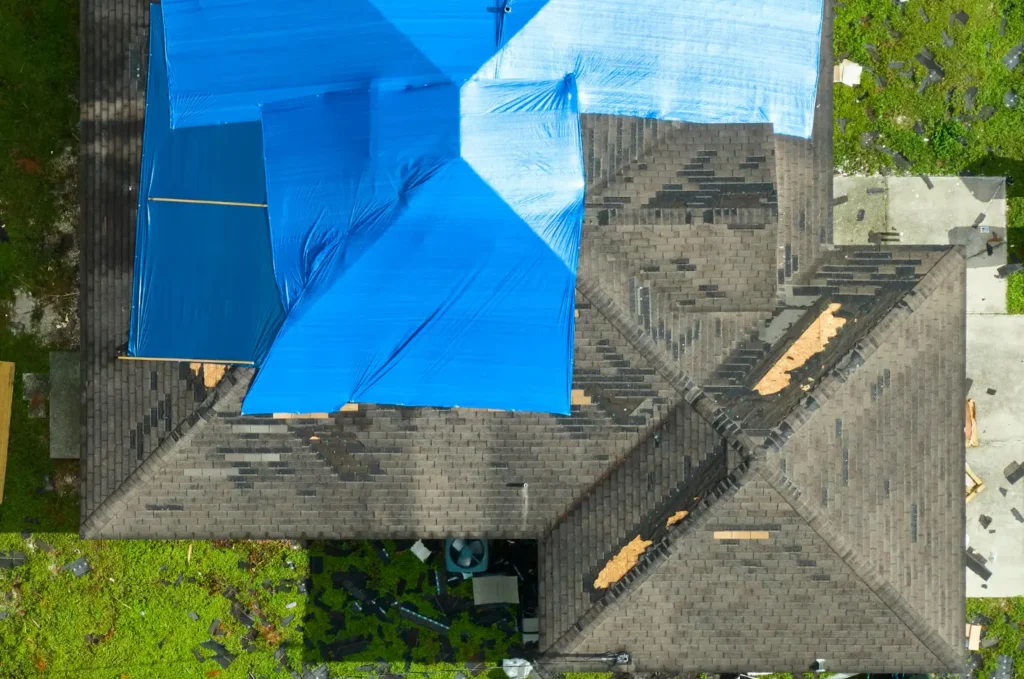
OneGuard Roofing provides same-day and next-day emergency roofing service throughout Greater Boston. When storm roof damage strikes, our rapid response team arrives quickly to protect your home from water damage and begin the repair process.
Our emergency services include:
Knowing how to tarp a roof can prevent water damage while you wait for professional repairs, but safety must always come first. If you cannot safely cover the roof with tarp yourself, or if damage is extensive, calling the emergency roofing service immediately is the smartest choice. Quick action protects your home, your belongings, and your insurance claim.
Contact OneGuard Roofing for immediate emergency roof repair assistance. Do not let roof damage become water damage inside your home.