
Fascia and Soffit Damage: How It Affects Your Roof and Gutters
Fascia is the vertical board along your roof edge that holds your gutters; soffit is the panel underneath that ventilates…
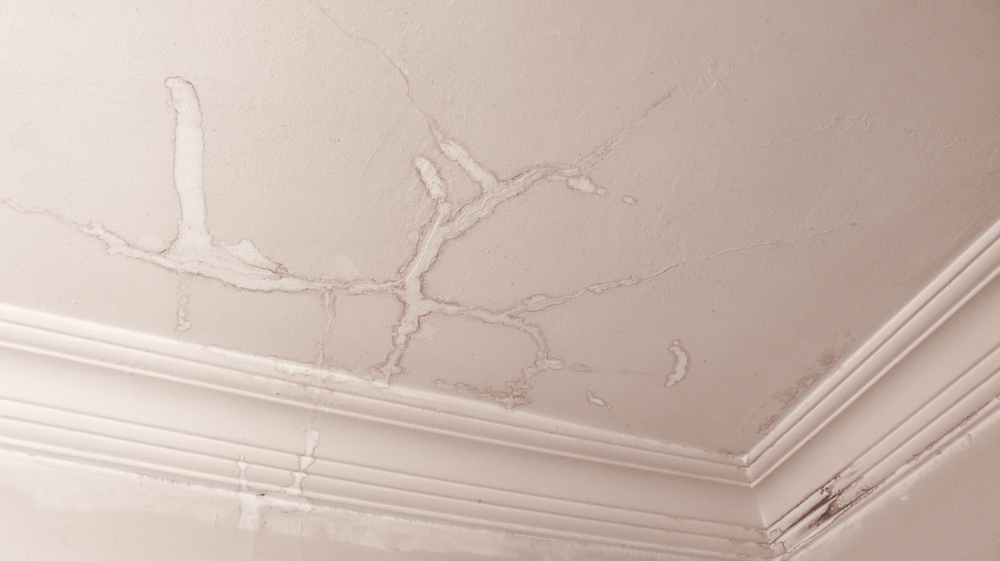
Is that dark spot on your ceiling worrying you? You’re not alone. In Boston, roof leaks are a common issue that can quickly escalate into costly water damage if not addressed early.
So you may be dealing with a small drip or a growing stain. This guide will show you how to prevent roof leaks, handle minor repairs, and understand when it’s time to call in a professional. Don’t wait until it’s too late, roof leak prevention starts now.
Strong winds, heavy rain, hail, and prolonged sun exposure can cause shingles to crack, curl, or blow off completely. Missing or damaged shingles leave your roof exposed, allowing water to penetrate the underlayment and leak into your home. Even a small gap in the shingle layer can lead to significant moisture buildup over time.
Flashing is used to seal roof edges, vents, chimneys, and skylights. Over time, flashing can corrode or crack, creating gaps that let water in. Poorly installed flashing is also a common cause of leaks around roof penetrations. Flashing failure often leads to water pooling in critical areas, increasing the risk of interior damage.
When gutters become clogged with leaves, dirt, and debris, they can’t direct water away from the roof properly. Overflowing water can pool near roof edges, increasing the risk of water seeping under shingles and damaging the roof deck and fascia. Sagging gutters can also misdirect water, causing it to flow toward the home’s foundation.
Boston’s freeze-thaw cycles can create ice dams along roof edges. When snow melts and refreezes, it traps water behind the ice barrier, forcing it underneath shingles and into the home. Ice dams not only cause leaks but also contribute to heat loss and increased energy bills during the winter months.
Roof penetrations like skylights, vent pipes, and chimneys are prone to leaking when seals break down. Over time, weathering and temperature changes cause sealant to crack, allowing water to seep through. These penetrations are especially vulnerable during heavy rain or snow accumulation.
Note: These fixes can provide temporary relief but should not replace professional repairs for more extensive damage or multiple leak points.
If leaks continue after DIY attempts or you notice multiple problem areas, it’s time to call a roofing expert. One Guard Roofing offers reliable roof leak repair and water damage prevention services across Boston and surrounding areas.
Professional roofers can:
Professional inspections often include drone assessments, attic moisture checks, and thermal imaging to detect leaks quickly and accurately.
Learn more about our roof inspection and leak repair services in Boston.
Don’t let a small leak turn into a major headache. Schedule your free roof inspection in Boston with One Guard Roofing today. Our expert team will assess your roof, identify problem areas, and recommend the best course of action to protect your home.
Book Your Free Roof Inspection Now!
Look for dark ceiling stains, peeling paint, water drips, or mold growth. Early signs may also include musty smells, bulging drywall, or increased humidity in your attic, especially after heavy rain or snowfall.
Small shingle replacements and minor flashing repairs can be done by homeowners, but most leaks require professional expertise to ensure proper sealing and long-term protection. DIY repairs may offer temporary solutions but often miss underlying issues.
Most roof leak repairs can be completed in one day. Complex repairs involving flashing replacement, structural work, or large damaged areas may take longer, particularly in older homes or during bad weather.
Costs typically range from $300 to $2,000, depending on the severity of the leak, roof accessibility, and materials required. Emergency repairs, large roof areas, or hard-to-reach sections may increase the overall cost. Request a free roof inspection to get an accurate estimate.
Yes, untreated roof leaks can lead to serious long-term issues like wood rot, mold growth, and even structural weakening of your home. Addressing roof leaks promptly helps prevent costly repairs to framing, insulation, and ceilings.