What to Do If a Tree Falls on a Roof? 5 Immediate Actions to Take
If a tree falls on a roof, take these 5 immediate actions: evacuate everyone including pets, call 911 if there’s…

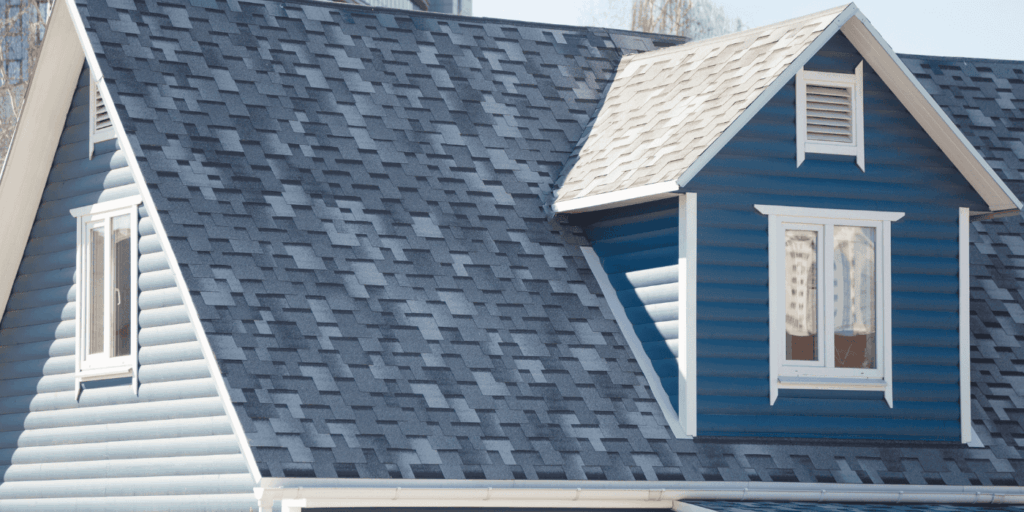
For Boston homeowners, shingle roof problems are an ongoing concern, especially given the region’s harsh winters, coastal winds, and seasonal temperature extremes. Understanding why asphalt shingles fail and what you can do about it helps you protect your home and avoid costly repairs down the road.
Shingles blow off roofs for several reasons, and wind is only part of the story. Asphalt shingles are secured to your roof in two ways. Roofing nails hold each shingle to the deck, while an adhesive strip on the back of each shingle creates a seal with the shingle below it. When either of these attachment methods fails, shingles become vulnerable to wind uplift.
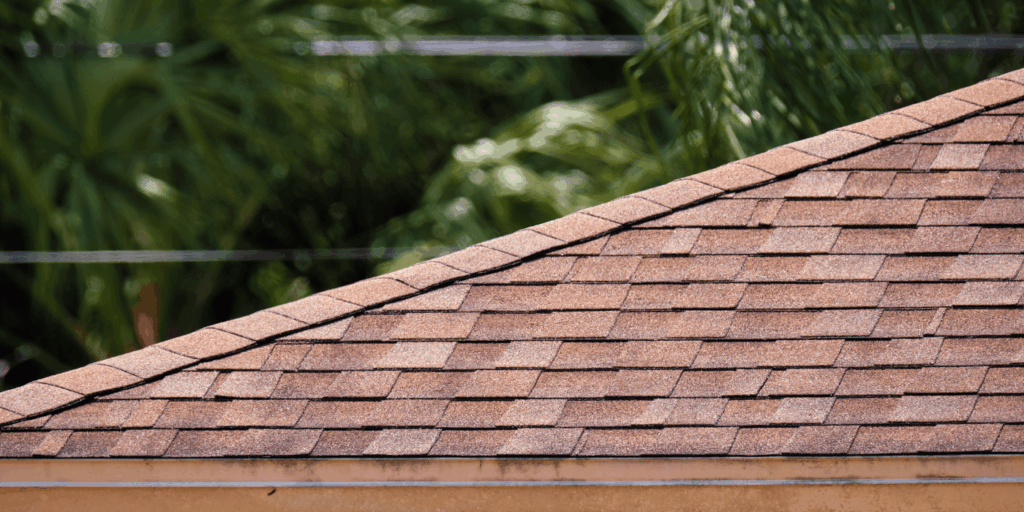
Improper installation is one of the most common causes of shingle blow-off. Nails placed too high on the shingle, missing nails, or using the wrong nailing pattern can leave shingles poorly secured. If the adhesive strips do not properly bond during installation, often because the weather was too cold or the shingles did not receive enough sun exposure to activate the seal, shingles are far more likely to lift and tear away during storms.
What starts as a simple shingle roof replacement can become a much larger repair project if ignored. Age and wear also play significant roles in shingle roof damage. As asphalt shingles age, the adhesive seal weakens and can fail entirely. The shingles themselves become brittle, making them more susceptible to cracking and tearing when exposed to strong winds. Older roofs in Franklin and those with existing damage are particularly vulnerable because one loose shingle can create a chain reaction, exposing neighboring shingles to wind forces they were not designed to handle alone.
Cracked shingles are more than a cosmetic problem. They represent weak points in your roof’s defense against water intrusion. Even small cracks can allow moisture to penetrate beneath the shingle surface and reach the underlayment and roof deck below.
Asphalt shingles crack for several reasons. Temperature fluctuations cause shingles to expand and contract repeatedly, and over time this cycle weakens the material. In Boston’s climate, where temperatures can swing dramatically between seasons and even within a single day, this expansion and contraction is particularly severe. Shingles also become more brittle as they age, losing the flexibility needed to absorb stress without breaking.
When water enters through a crack, it can travel beneath the shingle and pool on the underlayment. During winter, this trapped water freezes and expands, widening the crack and creating new pathways for moisture. This freeze-thaw cycle accelerates shingle roof damage throughout the cold months. Eventually, water reaches the roof deck, causing rot, mold growth, and leaks that appear on your ceilings and walls inside the home.
A single missing shingle may seem like a minor issue, but it leaves your roof exposed in ways that can quickly lead to serious problems. Shingles in Dover are designed to work as a system, with each one overlapping the next to create a continuous barrier against rain, snow, and debris. When one shingle is gone, that protection breaks down.
The underlayment beneath your shingles provides a secondary layer of protection, but it is not meant to withstand prolonged exposure to the elements. Sun and UV rays degrade the underlayment material over time, while rain and snow can work their way into the roof deck through any gaps. Missing shingles also expose neighboring shingles to wind forces that can pry them loose, creating a growing problem area on your roof.
If you notice missing shingles after a storm, schedule an asphalt shingle roof repair promptly. Waiting allows water damage to spread to your insulation, attic framing, and eventually your living spaces.
Recognizing the early signs of asphalt shingle roof problems helps you address issues before they cause extensive damage. Regular visual inspections from the ground using binoculars can reveal warning signs that indicate your roof needs professional attention.
Curling shingles are one of the most common indicators of aging and weathering. Shingles may curl upward at the edges or develop a cupped appearance in the center. Either condition prevents the shingle from lying flat against the roof, allowing wind to get underneath and water to pool where it should drain away. Curling often results from poor attic ventilation, excessive heat exposure, or simply old age.
Granule loss is another critical warning sign. Asphalt shingles are coated with small mineral granules that protect the underlying material from UV damage. As shingles age, these granules wear away and collect in your gutters and downspouts. If you notice a significant amount of granules accumulating, your shingles are losing their protective coating and becoming more vulnerable to the elements.
Other signs of shingle roof failure include blistering, where bubbles form on the shingle surface from trapped moisture or manufacturing defects, and sagging areas that indicate the roof deck beneath has been compromised by water damage. Dark streaks or patches may indicate algae or moss growth, which traps moisture against the shingles and accelerates deterioration.
Boston winters bring snow and ice that create specific challenges for asphalt shingle roofs. Snow accumulation adds significant weight to your roof structure, and wet, heavy snow is particularly stressful. While most roofs are designed to handle typical snow loads, accumulated snow can strain aging roofs or those with existing structural weaknesses.
Ice dams are among the most damaging winter threats to shingle roofs. They form when heat escaping from your home melts snow on the upper portions of your roof. The meltwater flows down toward the colder edges and refreezes, creating a ridge of ice that traps water behind it. This standing water backs up under the shingles and seeps into your roof deck, insulation, and eventually your home’s interior.
The freeze-thaw cycle also directly damages shingles throughout winter. Water that seeps into small cracks freezes and expands, then melts and refreezes repeatedly. This process widens cracks, breaks the seal between shingles, and can physically push shingles out of position. Cold temperatures in the Brookline area make asphalt shingles more brittle, increasing the risk of cracking from impact or even from foot traffic during inspections or repairs.
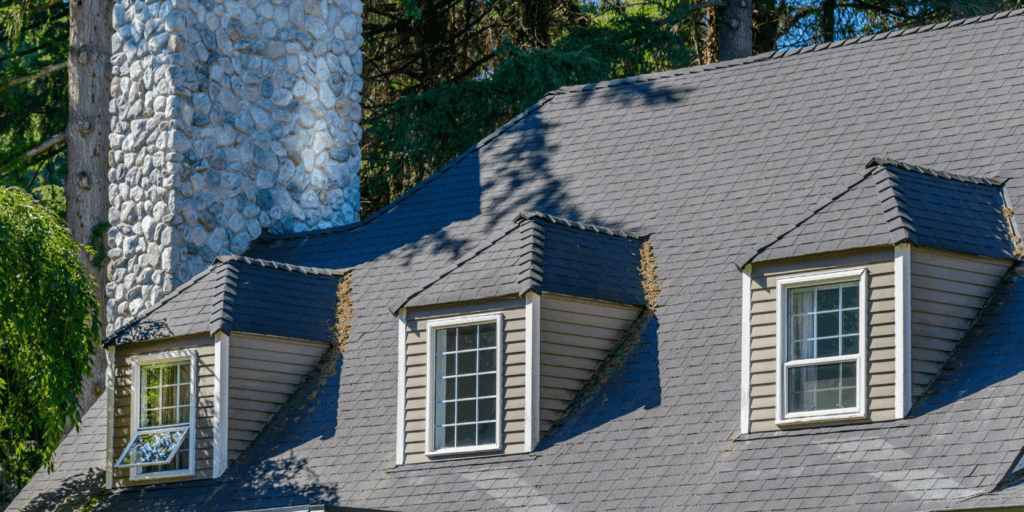
Boston’s climate subjects asphalt shingles to a demanding range of weather conditions throughout the year. Understanding how different weather affects your roof helps you anticipate problems and schedule maintenance before damage becomes severe.
High winds are a constant threat to shingle roofs. Wind does not apply pressure evenly across your roof; instead, it creates uplift forces that are strongest at the edges, corners, and ridges. This is why shingles often blow off from these vulnerable areas first. Winds as low as 45 miles per hour can begin to damage already weakened shingles, while severe storms with sustained winds above 60 miles per hour can tear away even properly installed shingles.
Summer heat accelerates the aging of asphalt shingles through UV exposure. The sun’s rays break down the oils in asphalt, causing shingles to become dry and brittle over time. Dark-colored shingles absorb more heat and may age faster than lighter colors. Roof slopes facing south receive more direct sunlight and typically show signs of wear sooner than north-facing sections.
Heavy rain tests the water-shedding ability of your shingle system, while hail can cause immediate physical damage in the form of dents, cracks, and granule loss. Even small hailstones can bruise shingles and compromise their integrity. After any significant storm in Devere, a professional roof inspection can identify damage that may not be visible from the ground.
The lifespan of asphalt shingles in Boston depends on several factors, including the type of shingle, quality of installation, attic ventilation, and how well the roof is maintained. Massachusetts has a humid continental climate with cold winters and warm, humid summers, which places significant demands on roofing materials.
Three-tab asphalt shingles, the most economical option, typically last 15 to 20 years in the Boston area. Architectural or dimensional shingles, which are thicker and more durable, generally provide 20 to 30 years of protection. Premium or luxury asphalt shingles can last 25 to 40 years when properly installed and maintained. In the Northeast, asphalt shingles often last 19 to 20 years or more thanks to the cooler overall climate compared to warmer regions where heat accelerates aging.
Proper installation is critical for achieving maximum shingle lifespan. A roof installed by inexperienced contractors using improper nailing patterns or failing to seal shingles correctly will not last as long as one installed by qualified professionals. Attic ventilation also matters because poor ventilation allows heat and moisture to build up, accelerating shingle deterioration from below.
Regular maintenance extends your roof’s life significantly. Keeping gutters clear, removing debris, trimming overhanging branches, and scheduling professional inspections at least twice a year helps you catch shingle roof problems early.
At OneGuard Roofing, we provide free drone inspections that identify damage, aging, and potential problem areas before they become major issues. Our licensed and insured team specializes in asphalt shingle roof repair throughout Boston and the Greater Boston area, backed by a 10-year workmanship warranty.
Contact us for honest guidance and quality work you can trust