What to Do If a Tree Falls on a Roof? 5 Immediate Actions to Take
If a tree falls on a roof, take these 5 immediate actions: evacuate everyone including pets, call 911 if there’s…
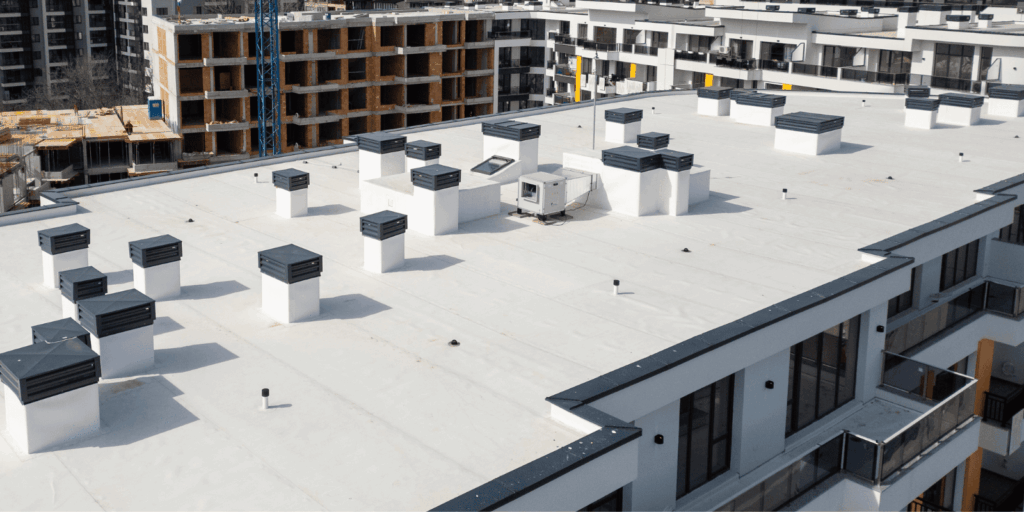
Commercial roof maintenance is the most cost-effective strategy for protecting your business property, extending roof lifespan, and avoiding unexpected expenses that disrupt operations. While residential roofs often get regular attention, commercial roofing systems frequently go neglected until problems become emergencies.
This guide explains how preventive maintenance programs work, what they include, and why Boston’s challenging climate makes regular attention to your business roof particularly important. Whether you manage a retail store, office building, warehouse, or multi-unit property, understanding the value of proactive care helps you protect your investment and maintain uninterrupted operations.
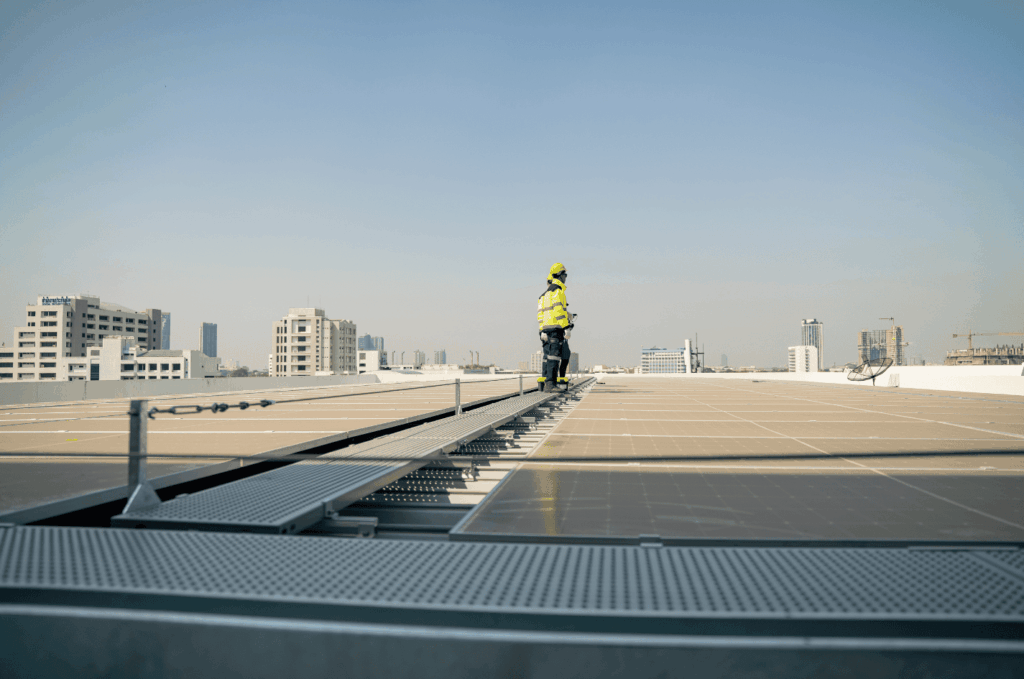
Commercial roof maintenance is important because it prevents costly emergency repairs, extends your roof’s serviceable life, protects interior assets and inventory, and maintains business continuity. The financial impact of roof failure on a commercial property far exceeds residential situations, making preventive care an essential business expense rather than an optional service.
Key benefits of regular maintenance include:
A preventive maintenance program includes scheduled inspections, documented assessments, minor repairs, cleaning services, and detailed reporting that tracks your roof’s condition over time. Professional programs are tailored to your specific roofing system, building use, and budget requirements.
Most programs include two comprehensive roof inspections annually, typically in spring and fall, plus additional checks after severe weather events. Inspectors examine every component of your roofing system, from membrane condition to drainage function, documenting findings with photographs and detailed notes.
Clogged drains are a leading cause of flat roofing problems. Maintenance programs include clearing debris from drains, scuppers, and gutters to ensure proper water flow. Surface cleaning removes accumulated dirt, leaves, and debris that trap moisture and accelerate material breakdown.
Quality maintenance programs include minor repairs as part of regular service. Resealing small separations, patching minor punctures, and addressing flashing issues during routine visits prevents these small problems from becoming major concerns requiring extensive work.
Every inspection produces detailed reports documenting current condition, work performed, and recommendations for future attention. This documentation supports warranty claims, helps budget for eventual commercial roof replacement, and provides valuable information for property transactions.
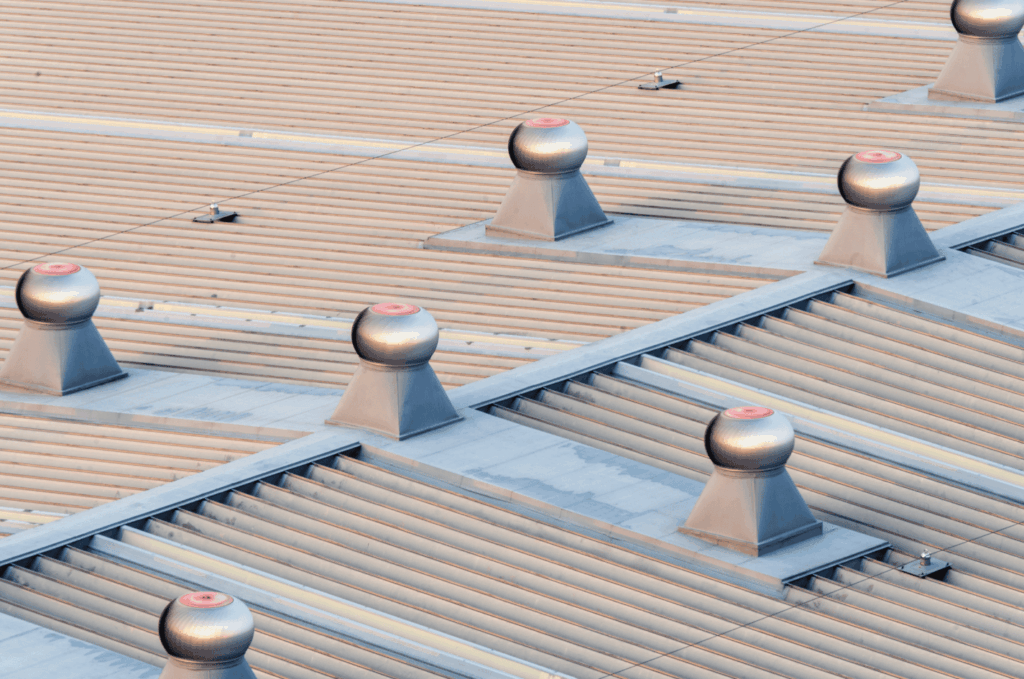
Common commercial roofing problems include ponding water, membrane damage, flashing failures, and drainage issues. Most commercial buildings feature flat roofing systems that face different challenges than sloped residential roofs. Regular maintenance identifies these issues early when solutions remain straightforward.
Problems maintenance programs address:
Boston’s climate presents unique challenges for commercial roofing systems that make regular maintenance particularly valuable. Understanding local conditions helps property managers appreciate why preventive care programs deliver exceptional return on investment in this region.
Commercial flat roofing systems are particularly vulnerable because ponding water freezes and expands, potentially lifting membrane sections and breaking seals. Spring inspections are essential for identifying winter damage before it leads to leaks during seasonal rains.
Buildings in East Boston, the Seaport District, and waterfront communities in Quincy and Cambridge experience faster deterioration of flashing, fasteners, and edge details. Maintenance programs in these areas pay special attention to corrosion-prone components.
Commercial roof investment delivers substantial returns by preventing repairs that often cost 10-20 times more than the maintenance that would have avoided them.
Cost factors include:
Consider that a single emergency leak repair can cost up to $5,000, while water damage to inventory, equipment, or tenant spaces often reaches tens of thousands of dollars. Regular maintenance that prevents these situations pays for itself many times over.
Maintenance sometimes reveals conditions requiring more extensive work. When commercial roof repair costs approach 30-40% of replacement value, or when problems are too widespread for targeted fixes, your maintenance contractor should recommend exploring options for new roof install or system overlay.
Signs that replacement may be necessary:
Quality maintenance programs help you plan for eventual replacement by tracking condition trends and projecting remaining useful life. This allows proper budgeting and scheduled replacement rather than emergency action.
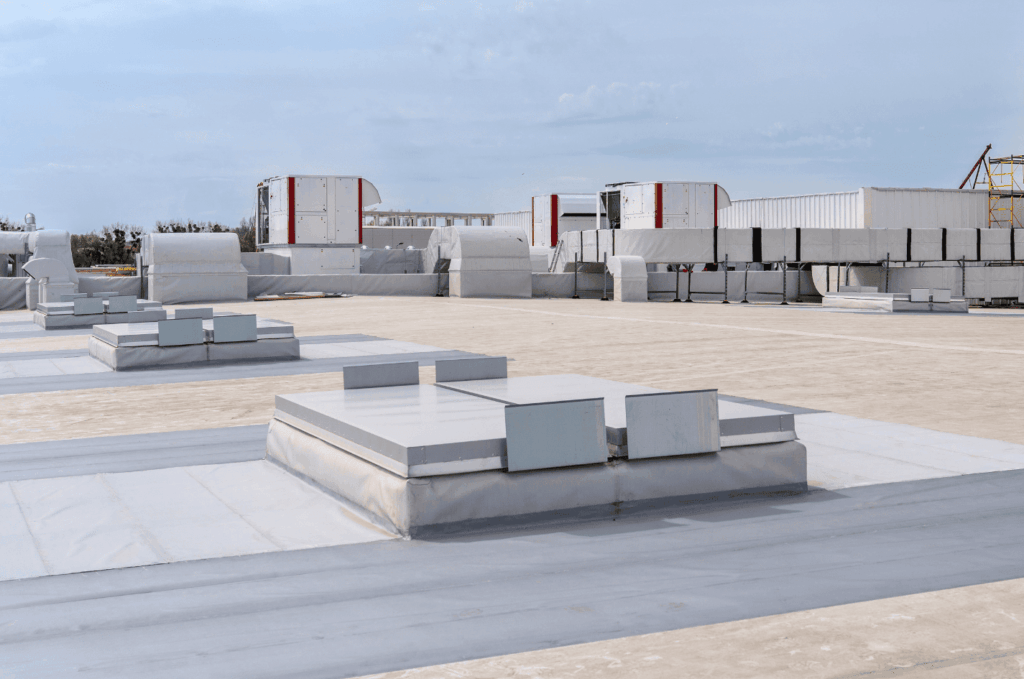
Our experienced team understands the unique demands of commercial roofing systems and delivers proactive care that extends roof life while controlling costs.
Our commercial services include:
Commercial roof maintenance is not an expense but an investment that delivers measurable returns through extended roof life, reduced repair costs, and protected business operations. For Boston properties facing harsh winters and demanding conditions, regular professional attention keeps roofing systems performing reliably year after year.
Contact us to schedule your commercial roof inspection and learn how a preventive maintenance program can protect your property.