What to Do If a Tree Falls on a Roof? 5 Immediate Actions to Take
If a tree falls on a roof, take these 5 immediate actions: evacuate everyone including pets, call 911 if there’s…


Spring roof maintenance prepares your roofing system for summer’s intense heat, UV exposure, and storm activity by addressing winter damage, clearing debris, ensuring proper ventilation, and identifying issues before they worsen, essential preparation that protects your home and extends roof life regardless of whether you have asphalt shingles, metal roofing, tile roofing, rubber roofing, or slate roofing.
This comprehensive spring roof maintenance guide covers inspection priorities, maintenance tasks for different roofing materials, when roof repair makes sense, and how to determine if roof replacement is necessary. Proper spring preparation prevents costly roof leakage, storm damage roof situations, and premature system failure.

Spring roof maintenance is important because it catches winter damage before summer heat and storms compound problems, ensures your roof can handle UV exposure and thermal cycling, and addresses issues while repair conditions are optimal, preventing small problems from becoming expensive emergencies.
Your roof faces different challenges in summer than winter. Hot weather causes roofing materials to expand, accelerates UV degradation, and stresses adhesives and sealants. Summer thunderstorms bring high winds, hail, and heavy rain. Spring roof maintenance ensures your roof transitions successfully from cold-weather survival mode to hot-weather endurance, ready for whatever summer brings.
Minor winter damage worsens quickly in summer conditions. Small cracks expand in heat. Loose materials blow off in storms. Compromised seals fail under thermal stress. Roof leakage that started small becomes major water intrusion. Spring roof maintenance identifies these developing issues while solutions remain simple and affordable.
Your spring roof maintenance checklist should include visual inspection for winter damage, gutter and drainage system cleaning, debris removal from roof surfaces, attic ventilation assessment, flashing and sealant evaluation, and scheduling professional inspection, completing these tasks prepares your roof for hot weather demands.
From ground level, examine your roof for:
Clean gutters are essential for spring roof maintenance. Winter debris accumulation blocks water flow, causing backup that damages roofing materials and fascia. Remove leaves, twigs, and granules from gutters and downspouts. Verify proper pitch for drainage. Check for rust, holes, or separated seams. Ensure downspouts direct water away from foundations. Proper drainage prevents roof leakage and foundation problems.
Proper attic ventilation becomes critical as temperatures rise. Inadequate ventilation traps heat, accelerating roofing materials degradation and increasing cooling costs. Check that soffit vents are clear and unobstructed. Verify ridge vents or roof vents function properly. Look for signs of moisture accumulation indicating ventilation problems. Good airflow extends roof life and reduces summer energy bills.
Spring maintenance differs by roofing materials because each type has unique vulnerabilities, inspection priorities, and maintenance requirements, asphalt shingles need granule assessment, metal roofing requires fastener checks, tile roofing demands crack inspection, rubber roofing needs seam evaluation, and slate roofing requires broken tile identification.
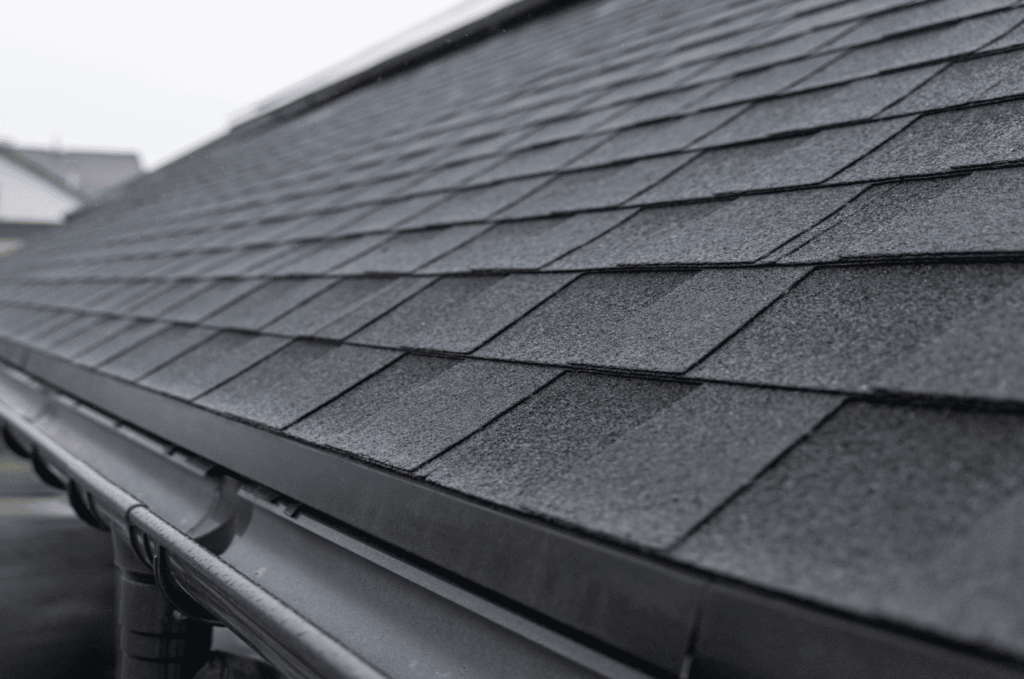
Asphalt shingle spring roof maintenance focuses on identifying winter damage before summer heat compounds problems. Check for curling, cracking, or missing shingles. Examine granule coverage bare spots indicate aging materials vulnerable to UV damage. Verify shingles lie flat without lifting edges that allow wind and water infiltration. Address minor roof repair needs now before summer storms test your roof.
Metal roofing generally requires less spring maintenance but still benefits from inspection. Check fasteners for backing out due to thermal cycling. Examine seams and joints for separation. Look for rust spots, especially at cut edges or scratches. Verify sealants around penetrations remain intact. Clear debris accumulation that traps moisture against metal surfaces. Address any coating deterioration before summer UV exposure accelerates damage.
Tile roofing spring maintenance requires careful inspection for cracked, broken, or displaced tiles. Winter freeze-thaw cycling can crack tiles from absorbed moisture expansion. Walking on tile roofs risks additional damage, professional inspection is recommended. Check underlayment visible beneath damaged tiles. Verify flashing conditions around penetrations. Replace damaged tiles before summer rains exploit vulnerabilities.
Flat roof repairs and rubber roofing maintenance are critical spring priorities. Inspect membrane surfaces for punctures, tears, or blistering. Check seams for separation, a common failure point after winter stress. Evaluate flashing around all penetrations. Address ponding areas where water collects. Clear drains of winter debris. Consider protective coatings that extend membrane life and reflect summer heat.
Slate roofing endures winter well but still requires spring assessment. Look for cracked, broken, or slipped slates. Check flashings, often the first components to fail on slate roofs. Examine ridge caps and hip tiles. Never walk on slate, professional inspection ensures proper evaluation without damaging these premium roofing materials. Replace damaged slates promptly to prevent water infiltration.
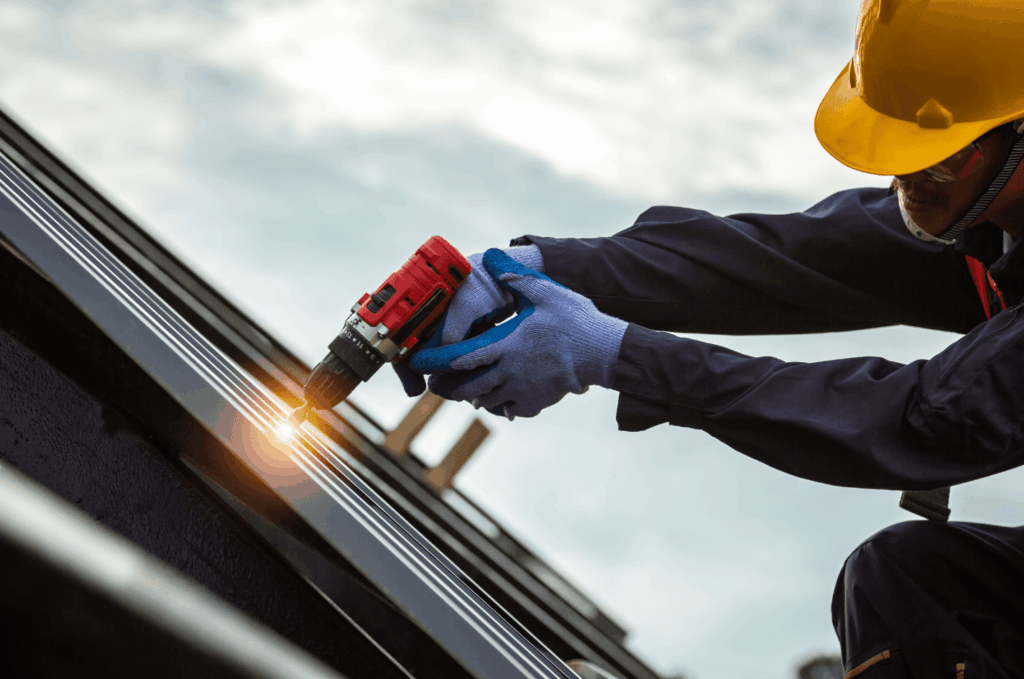
You address storm damage roof issues in spring by documenting all visible damage, scheduling professional roof inspection to identify hidden problems, filing insurance claims promptly, and completing repairs before summer storms create additional damage, acting quickly to prevent escalating repair costs.
Winter storms leave distinct damage patterns. Ice dam damage appears along eaves where water backed up beneath shingles. Wind damage shows as missing or displaced materials, especially on roof edges and ridges. Falling branch impacts create obvious punctures or cracks. Heavy snow may have caused structural stress visible as sagging. Spring inspection reveals this accumulated storm damage roof evidence for proper repair planning.
Prioritize repairs that compromise waterproofing any opening allowing water entry requires immediate attention. Address structural concerns next. Cosmetic issues can wait if waterproofing is intact. Document everything for insurance purposes before repairs begin. Professional roof repair ensures storm damage is properly addressed using appropriate techniques for your specific roofing materials.
Spring maintenance prevents roof leakage by identifying and sealing potential entry points before summer rains test your roof, addressing cracked sealants, damaged flashing, compromised shingles, and clogged drainage that allow water infiltration during heavy storms.
Focus spring roof maintenance on leak-prone areas:
Spring maintenance should lead to roof replacement when inspection reveals widespread deterioration, your roof has exceeded its expected lifespan, multiple repairs have failed to resolve problems, or repair costs approach replacement value, spring provides ideal conditions for roof replacement projects.
During spring roof maintenance, watch for signs suggesting roof replacement rather than continued repair. Extensive shingle damage affecting more than 25-30% of the surface, visible sagging or structural issues, multiple simultaneous leak points, and roofing materials that have exceeded expected lifespan all indicate replacement may provide better value than ongoing repairs.
If roof replacement is needed, spring offers excellent timing. Moderate temperatures ensure proper installation of all roofing materials. New roofs installed in spring provide full protection before summer storms arrive. Contractor availability is often better in spring than peak summer season. Starting early ensures your home has reliable protection throughout the demanding months ahead.
Boston’s unique climate creates specific spring roof maintenance priorities that local homeowners should address.
Boston winters leave distinct marks on roofing systems. Ice dam damage along eaves requires careful evaluation, water may have penetrated beneath roofing materials. Salt air from coastal exposure accelerates corrosion on metal roofing components. Heavy snow loads may have stressed structures. Spring roof maintenance should specifically evaluate these Boston-specific damage patterns before summer arrives.
Boston summers bring intense heat, humidity, and severe thunderstorms. Spring maintenance prepares roofs throughout Cambridge, Brookline, Newton, Somerville, Quincy, and surrounding communities for these challenges. Ensure ventilation handles summer heat. Verify drainage manages heavy rain. Confirm roofing materials can withstand thermal cycling and UV exposure. Proper preparation prevents emergency repairs during summer’s peak demands.
OneGuard Roofing provides comprehensive spring roof maintenance services throughout Greater Boston. Our 5-star rated team helps homeowners prepare their roofs for hot weather with expert inspection, repair, and replacement services.
Don’t let winter damage compromise your summer protection. Our FREE drone inspection identifies all maintenance needs, helping you prepare your roof for hot weather with confidence. Whether you need minor repairs, major restoration, or complete replacement, we provide honest recommendations and quality solutions.
We serve Boston, Cambridge, Brookline, Newton, Somerville, Quincy, and all Greater Boston communities. Spring roof maintenance today prevents costly problems tomorrow, let us help you protect your home.