What to Do If a Tree Falls on a Roof? 5 Immediate Actions to Take
If a tree falls on a roof, take these 5 immediate actions: evacuate everyone including pets, call 911 if there’s…

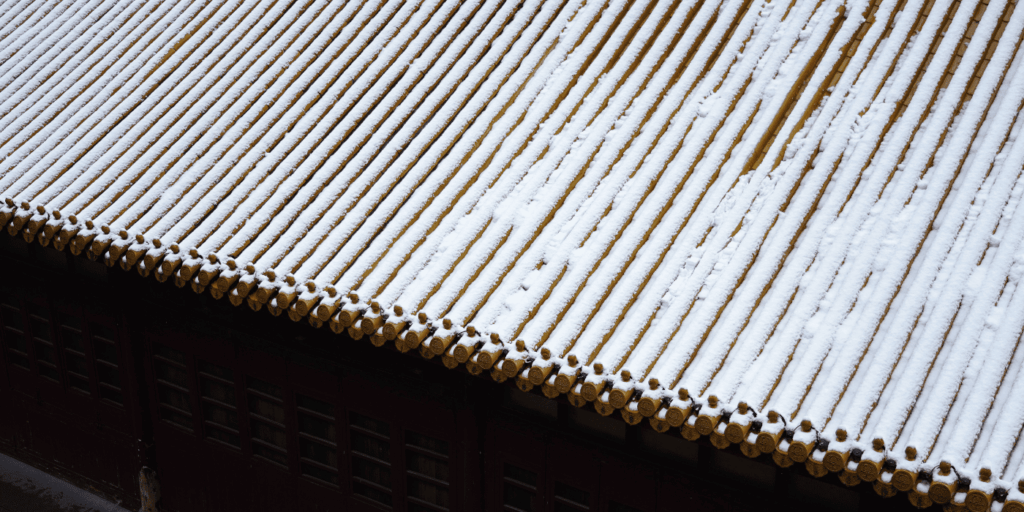
Boston winters subject roofs to extreme stress through heavy snow loads, ice dam formation, freeze-thaw cycling, and wind-driven precipitation that cause damage and leaks in your roofing system.
The combination of nor’easters, sub-freezing temperatures, and rapid temperature swings makes Boston one of the most demanding climates for residential roofs in the country. In Winter your roof faces challenges that can turn minor vulnerabilities into major leaks requiring emergency roof repair. This comprehensive guide covers essential winter roof care strategies, explains how dangerous roof leaks can become, and helps you protect your home through Boston’s harshest season.
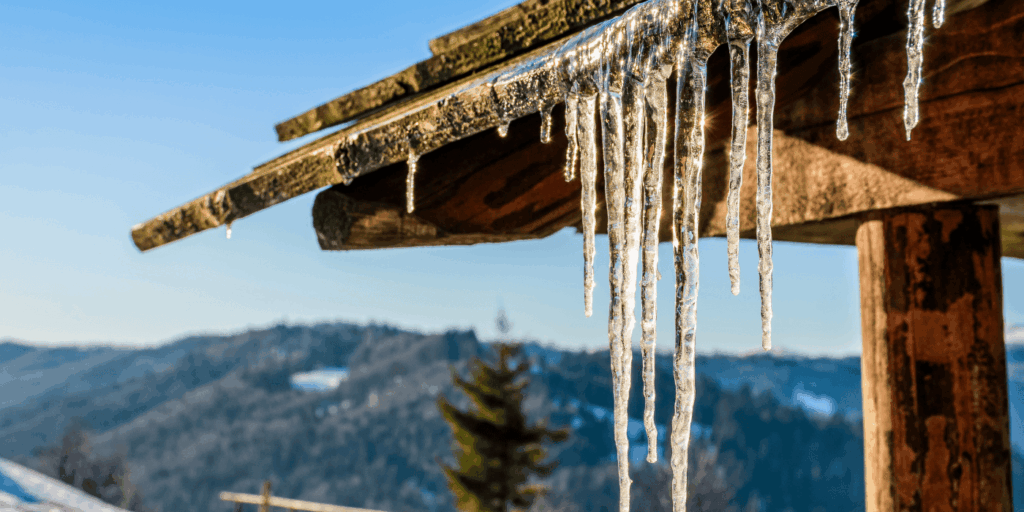
Before learning how to prepare your roof for winter, understanding the specific threats Boston weather poses helps you prioritize your roof maintenance efforts effectively.
Boston receives an average of 49 inches of snow annually, with individual storms sometimes depositing 12-24 inches in a single event. Fresh snow weighs approximately 3-5 pounds per square foot, but as it compresses and absorbs moisture, that weight can triple. The 25% rule in roofing suggests that when snow depth reaches 25% of your roof’s designed load capacity, you should consider removal to prevent structural stress.
Ice dams form when heat escaping through your roof melts snow from below, sending water flowing toward colder eaves where it refreezes. This ice barrier traps subsequent meltwater, which backs up under shingles and finds pathways into your home. Ice dams represent one of the most common causes of winter roof leaks in Boston homes.
Boston temperatures frequently cross the freezing threshold multiple times per week during winter months. Each cycle causes roofing materials to expand and contract, stressing seams, flashings, and sealants. Water that enters small gaps during thaw periods expands when it refreezes, forcing openings wider with each repetition until significant leaks develop.
Proactive roof maintenance before winter arrives prevents most cold-weather damage. These essential steps help you prepare your roof for winter and minimize emergency repair needs.
Professional roof inspection before winter identifies vulnerabilities that cold weather will exploit. Inspectors check shingle condition, flashing integrity, ventilation adequacy, and gutter function, addressing problems when repair conditions remain favorable rather than during emergency situations after damage occurs.
Clogged gutters prevent proper water drainage, contributing to ice dam formation and water backup under roofing materials. Clean all gutters and downspouts thoroughly before winter, removing leaves, debris, and any obstructions. Verify that downspouts direct water away from your foundation to prevent additional winter problems.
Proper attic ventilation and insulation prevent the heat transfer that causes ice dams. Your attic should remain close to outdoor temperatures, with insulation keeping heat inside your living space rather than escaping through the roof. The 25% rule in roof installation also applies to ventilation, ensure at least 1 square foot of ventilation for every 150 square feet of attic space.
Heavy snow and ice loads cause branches to break and fall onto roofs, damaging shingles and creating immediate leak risks. Trim branches that overhang your roof or hang within striking distance. This roof maintenance step also reduces debris accumulation and improves sunlight exposure that helps snow melt evenly.
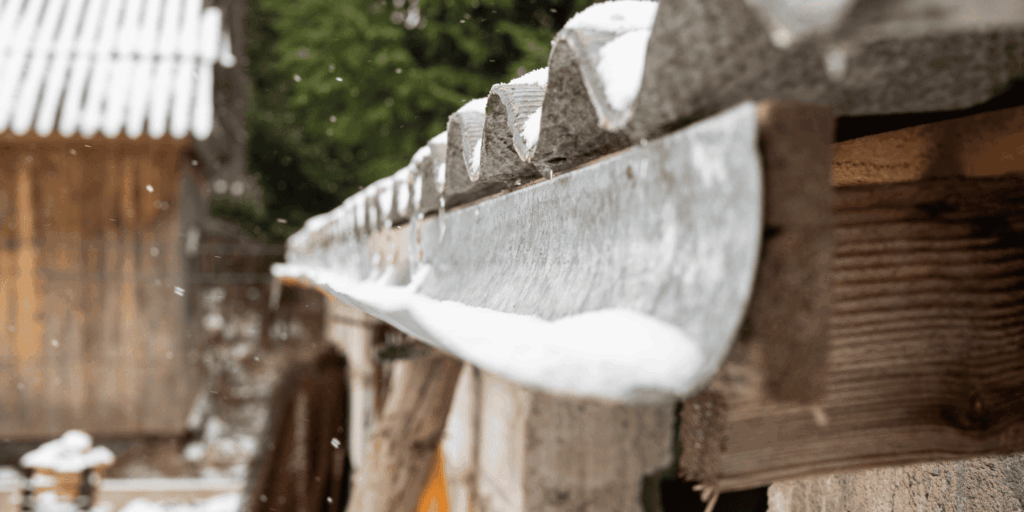
Preventing winter leaks requires addressing vulnerabilities before they become problems. These targeted strategies protect your roof through Boston’s challenging winter months.
Any roof repair needed should be completed before winter arrives. Missing or damaged shingles, deteriorated flashing, and compromised seals all worsen dramatically under winter conditions. What might be a simple repair in October becomes an emergency requiring roof replacement by February if left unaddressed.
Ice and water shield membrane installed along eaves provides critical protection against ice dam leaks. Heat cables along roof edges and in gutters prevent ice accumulation in problem areas. While these measures don’t eliminate ice dams entirely, they significantly reduce leak risk when dams do form.
Have a roof rake available to remove snow from eaves after heavy storms, typically the bottom 3-4 feet where ice dams form. Never climb onto a snow-covered roof, and avoid using metal tools that can damage shingles. If snow depth approaches concerning levels, contact professionals equipped for safe roof snow removal.
A roof leak poses serious dangers that extend far beyond water stains on your ceiling. Understanding these risks emphasizes why prompt roof repair matters, especially during winter when conditions prevent easy fixes.
Water infiltration rots roof decking, rafters, and ceiling joists over time. In winter, this moisture freezes and expands, accelerating structural deterioration. Prolonged leaks can compromise your home’s structural integrity, eventually requiring extensive repairs far exceeding the cost of addressing the original leak.
Water and electricity create dangerous combinations. Roof leaks that reach electrical wiring, junction boxes, or fixtures create shock and fire hazards. If you notice a leak near any electrical components, turn off power to the affected area immediately and contact professionals for emergency assessment.
Mold growth represents one of the most serious consequences of roof leaks, creating health hazards that affect your family long after the leak itself is repaired.
Mold requires moisture, organic material, and time to establish colonies. Roof leaks provide the moisture, while wood framing, insulation, and drywall provide food sources. In warm attic spaces, mold can begin growing within 24-48 hours of water introduction. Winter roof leaks are particularly problematic because they often go unnoticed until mold is well established.
Mold exposure causes respiratory problems, allergic reactions, headaches, and can exacerbate asthma and other conditions. Some mold varieties produce mycotoxins that create more severe health effects. Children, elderly individuals, and those with compromised immune systems face elevated risks from mold exposure.
Regular roof inspection helps identify problems before they cause damage. However, winter conditions require modified approaches that prioritize safety.
Check your attic regularly during winter for signs of moisture infiltration. Look for water stains on rafters and decking, frost accumulation on nail tips (indicating inadequate ventilation), damp insulation, and any daylight visible through the roof. Use a flashlight and move carefully on attic joists to avoid falling through ceiling material.
Inspect your roof from ground level using binoculars rather than climbing onto winter surfaces. Look for missing or damaged shingles, ice dam formation along eaves, icicles hanging from gutters (indicating drainage problems), and any visible sagging or structural concerns. Never walk on a roof covered with snow, ice, or frost.
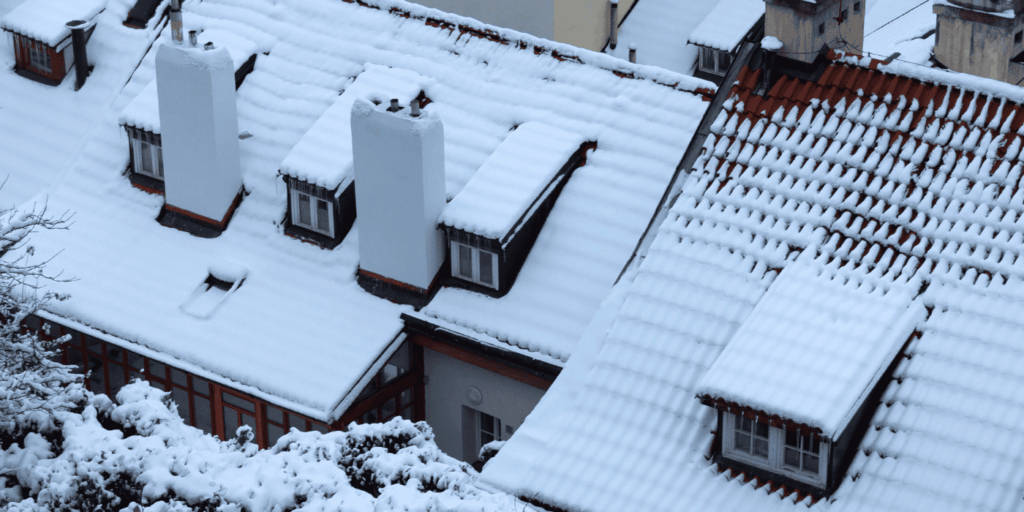
Professional roof analysis provides comprehensive assessment that homeowner inspections cannot match. Modern drone technology allows detailed inspection without anyone climbing onto winter roofs. If you notice any warning signs during your inspections, or if your roof is approaching 15-20 years of age, professional inspection helps determine whether roof repair or roof replacement makes the most sense.
Boston’s unique climate and housing stock create specific winter roofing challenges that homeowners must address.
Nor’easters bring high winds, heavy precipitation, and rapid temperature changes that stress roofing systems severely. Ensure your roof is prepared before storm season begins, and inspect promptly after major storms for wind damage, ice dam formation, and any new leak signs.
Historic homes often have inadequate attic insulation and ventilation, making them particularly susceptible to ice dam formation and winter leaks.
OneGuard Roofing provides comprehensive roof inspection, maintenance, and repair services throughout Boston and Greater Boston. Our licensed and insured team helps homeowners prepare your roof for winter and responds quickly when emergency repairs become necessary.
Our winter roofing services include: