Fascia and Soffit Damage: How It Affects Your Roof and Gutters
Fascia is the vertical board along your roof edge that holds your gutters; soffit is the panel underneath that ventilates…

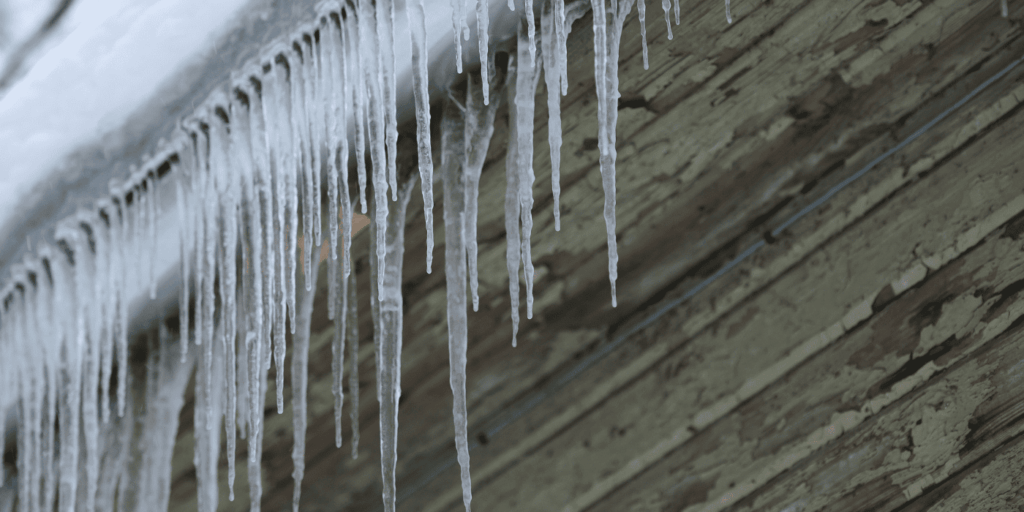
If you live in Boston, you have probably heard about ice dams, especially after heavy snowfall. The-se icy ridges that form along roof edges are more than just a winter nuisance.
An ice dam roof leak can cause serious damage to your home, from water-stained ceilings to rotting insulation and structural problems. Understanding what ice dams are and how they form is the first step toward protecting your home during Boston’s harsh winters.
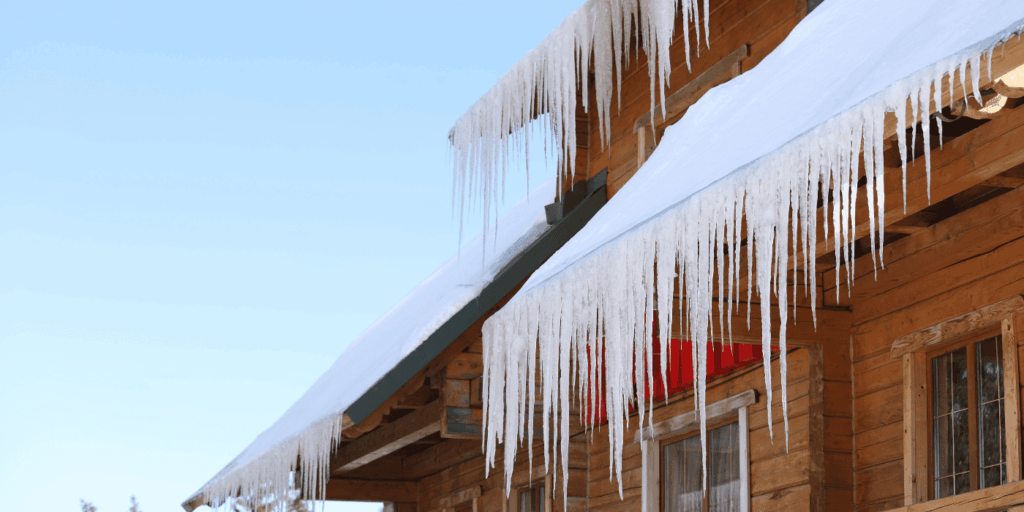
An ice dam is a ridge of ice that builds up along the edge of your roof, typically above the gutters. It forms when heat escapes from your home into the attic, warming the upper portion of your roof. Snow on this warmer section begins to melt, and the water flows downward toward the colder roof edges and eaves. Because these overhangs extend beyond the heated part of your house, they stay at or below freezing temperature.
As more snow melts and refreezes, the ice dam gets larger. Eventually, it becomes a barrier that traps water on your roof. This pooling water has nowhere to drain, so it backs up under your shingles and can seep into your attic, walls, and ceilings.
Ice dams create damage in several ways. The most immediate problem is water intrusion. Shingles are designed to shed water flowing downward, not to hold back water pushing upward. When an ice dam traps meltwater, that water is forced under the shingles and through any gaps in the roofing material. Once inside, it travels through your roof deck, soaks into insulation, and eventually drips through ceilings into your living spaces in Concord.
The damage often happens silently over days or even weeks before you notice any signs inside your home. Water can travel along rafters and beams, so the leak you see on your ceiling may be far from where the water actually entered. By the time water stains appear, significant damage may have already occurred to your roof deck, insulation, and wooden framing.
Ice dams also cause physical damage to your roof and gutters. The sheer weight of ice can strain gutter systems, causing them to sag, pull away from the roofline, or collapse entirely. Heavy ice formations can lift and crack shingles, damage flashing around chimneys and skylights, and even tear off sections of roofing material when chunks of ice slide off the roof. Over time, repeated ice dam formation weakens your entire roofing system and shortens its lifespan.
Recognizing ice dam damage early can save you thousands of dollars in roof repairs. Here are the warning signs to watch for during and after Boston’s winter storms.
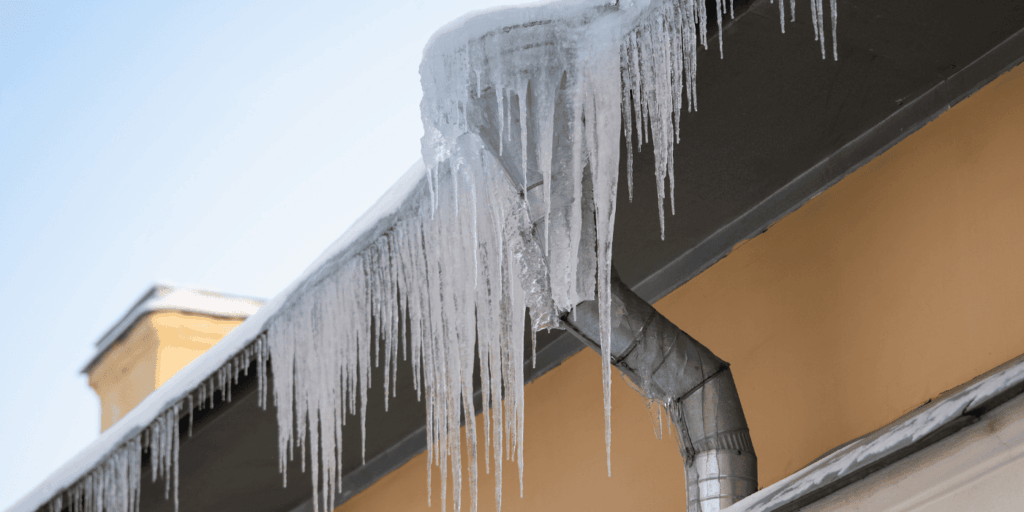
Large icicles hanging from your gutters or roof edge are often the first visible sign of ice dam formation. While small icicles are common and not always dangerous, large or thick icicles usually indicate a significant ice dam behind them. As experts note, the bigger the icicles, the bigger the ice dam underneath.
Look for ice buildup extending up your roof rather than just along the edge. A thick ridge of ice at the eaves, especially one that appears to be blocking the gutter, is a clear sign of an established ice dam. Ice forming along your siding or around window frames indicates that water has already traveled down from the roof and may be entering your home.
Sagging, bent, or detached gutters signal that ice has added dangerous weight to your drainage system. Missing, lifted, or visibly damaged shingles near the roof edge show that ice has physically disturbed your roofing material in Quincy households.
Water stains on ceilings or walls are the most common interior sign of ice dam damage. These stains typically appear as yellow, brown, or grayish circular marks that grow larger over time. They often show up in upper-level rooms near exterior walls, directly below where ice has formed on the roof above.
Peeling, bubbling, or blistering paint on ceilings and upper walls indicates moisture intrusion from above. Water dripping from light fixtures, smoke detectors, or ceiling corners during or after a thaw is a serious warning sign requiring immediate attention. Damp or wet spots appearing on floors near exterior walls suggest water is traveling down through your wall cavities.
A musty or damp smell in your attic often indicates hidden moisture problems before any visible damage appears. If you can safely access your attic, check for wet or compressed insulation, water stains on rafters or the underside of the roof deck, and frost or ice buildup on wooden surfaces. These signs mean water from an ice dam roof leak has already penetrated your home in Chelsea.
Mold or mildew growth in attic spaces or along ceiling edges is a serious health concern that often follows ice dam damage. If left unaddressed, moisture problems can lead to wood rot in rafters and framing, compromising your home’s structural integrity.
The key to ice dam prevention is keeping your entire roof surface cold so that snow does not melt unevenly. This means addressing the heat loss from your home that creates the warm roof conditions where ice dams begin.
Improve your attic insulation to keep warm air from your living spaces from reaching the roof deck. Massachusetts has the second oldest housing stock in the country, and many older Boston homes lack adequate attic insulation by modern standards. Adding insulation reduces heat loss through your ceiling and helps maintain a uniformly cold roof surface.
Seal air leaks between your living space and attic. Warm air escapes through gaps around electrical wires, plumbing pipes, light fixtures, attic hatches, and exhaust fans. These attic bypasses are often the main source of heat reaching your roof. Sealing these penetrations with appropriate materials is one of the most effective ways to prevent ice dams.
Ensure proper attic ventilation so that any heat that does enter the attic space can escape. A balanced system of soffit vents and ridge vents circulates cold outside air through the attic, keeping the roof deck temperature close to the outdoor temperature. Your attic should never be more than 10 to 15 degrees warmer than outside during winter.
Clean your gutters before winter to ensure meltwater can drain freely when temperatures rise. Clogged gutters contribute to ice dam formation by trapping water at the roof edge. Some homeowners install heat cables along roof edges and in gutters to create drainage channels, though this is a supplementary measure rather than a complete solution.
During active snowfall, using a roof rake to remove snow from the first three to four feet of your roof can eliminate the source of meltwater that feeds ice dam formation. Be careful not to damage shingles, and never climb onto an icy roof yourself.
If an ice dam has already formed and water is leaking into your home, you need to address the immediate problem before focusing on long-term prevention. However, ice dam removal is dangerous work that can easily damage your roof if done incorrectly.
Professional steam removal is the safest and most effective method for eliminating ice dams. Specialized equipment produces low-pressure steam that melts ice without damaging shingles, flashing, or gutters. Professional ice dam removal companies can clear even severe ice buildup in a few hours while protecting your roofing materials. Many Boston homeowners discovered during the 2015 winter that steam removal was worth the investment to stop active leaks quickly.
For temporary relief while waiting for professional help, you can create drainage channels using calcium chloride ice melt. Fill a nylon stocking with calcium chloride and place it perpendicular to the ice dam so it melts a channel through the ice. Never use rock salt, which can damage roofing landscaping. This method provides temporary drainage but does not remove the ice dam itself.
After the ice dam is removed, have your roof inspected for damage. At OneGuard Roofing, we offer free drone inspections that identify ice dam damage to shingles, flashing, and other roofing components. Our licensed team can repair damage before it leads to further problems and help you plan insulation and ventilation improvements to prevent future ice dams. We serve Boston and the Greater Boston area with transparent pricing, honest assessments, and a 10-year workmanship warranty on all repairs.
Contact us today to protect your home from ice dam roof leaks this winter.