What to Do If a Tree Falls on a Roof? 5 Immediate Actions to Take
If a tree falls on a roof, take these 5 immediate actions: evacuate everyone including pets, call 911 if there’s…

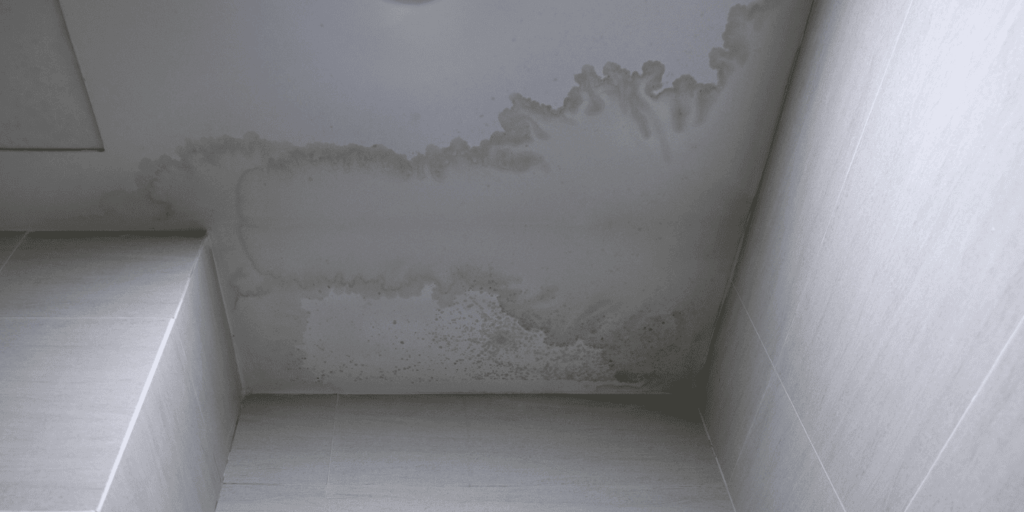
Discovering a roof leak in winter can be frustrating and stressful. You might notice water stains appearing on your ceiling, moisture dripping near light fixtures, or wet spots along your walls. Many Boston homeowners ask the same question: why do roofs leak in winter when there is no rain? The answer is that winter creates unique conditions that can cause roof leaks even when the weather seems calm.
If you understand why roofs leak in winter, you can identify problems early and take action before small issues become expensive repairs. This guide explains the ten most common causes of winter roof leaks in Boston and what you can do to protect your home.
Boston’s winter weather creates the perfect conditions for roof leaks. Heavy snowfall, repeated freeze-thaw cycles, and extreme temperature changes stress roofing materials in ways that other seasons do not. Massachusetts has some of the oldest housing stock in the country, and older homes are especially vulnerable because they often lack modern insulation and ventilation. Here are the ten most common reasons why roofs leak in winter.
Ice dams are the number one cause of roof leaks in heavy rain and snowmelt situations during Waltham winters. An ice dam forms when heat escaping from your home warms the roof, melting snow on the upper sections. This meltwater flows down toward the colder eaves, where it refreezes and creates a ridge of ice. As the ice dam grows larger, it traps water behind it. This ponding water has nowhere to go except under your shingles, eventually seeping into your attic, insulation, and ceilings.
Large icicles hanging from your gutters are a warning sign that ice dams may be forming. Water stains near exterior walls or around skylights often indicate that ice dam damage has already occurred.
Not all winter roof leaks actually come from outside. If your attic is poorly insulated or ventilated, warm moist air from your living spaces rises into the attic. When this warm air meets the cold underside of your roof deck, it condenses into water droplets. These droplets collect on rafters and wooden surfaces, eventually dripping down and creating what appears to be a roof leak. Condensation can cause serious damage including wood rot, mold growth, and sagging roof beams over time.
Bathroom and kitchen exhaust fans are designed to remove warm, humid air from your home. However, in many older Boston houses, these fans vent directly into the attic instead of outside. During winter, this warm moist air enters the cold attic space, condenses, and can freeze onto cold surfaces. When temperatures rise, this frost melts and drips, causing water damage that mimics a roof leak. Proper exhaust venting should always discharge outside your home, never into the attic.
Flashing is the metal material that seals joints and transitions on your roof, particularly around chimneys, vents, skylights, and where the roof meets walls. Winter’s freeze-thaw cycles cause metal to expand and contract repeatedly, which can crack sealants, loosen flashing, or create gaps. Once flashing is compromised, melting snow and ice can leak through these openings. Roof leak detection often reveals that damaged or missing flashing is the source of the problem.
If you did not clean your gutters in the fall, leaves and debris may be blocking water flow. When snow melts and water has nowhere to drain, it backs up and freezes in the gutter. This contributes to ice dam formation and forces water under your shingles. Even gutters that were clean can freeze solid during extended cold periods, preventing proper drainage and causing water to overflow onto your fascia and siding.
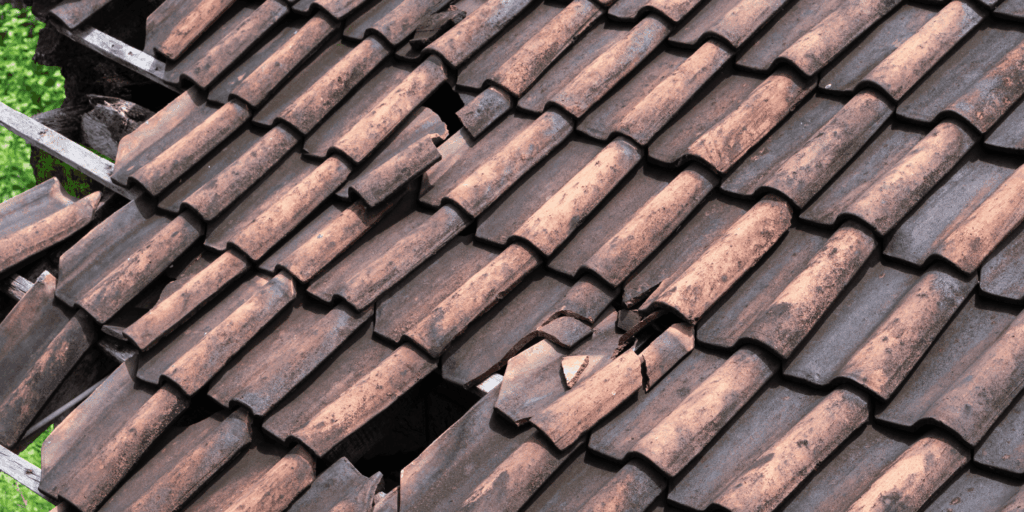
Winter storms bring high winds that can lift, crack, or tear shingles from your roof. Missing or damaged shingles expose the underlayment and roof deck to moisture. While underlayment provides temporary protection, prolonged exposure allows water to penetrate and cause leaks. If you notice granules in your gutters or see shingles in your yard after a storm, your roof may already be compromised.
Flat or low-slope roofs are particularly vulnerable to winter drainage problems. When snow accumulates and then partially melts, water can pool in low areas rather than draining properly. If drains become clogged with ice or debris, standing water adds weight to the roof and can seep through seams and penetrations. Even pitched roofs can have drainage issues if valleys are blocked or if snow loads prevent water from reaching the gutters.
Previous water infiltration that was never properly repaired can worsen significantly during winter. Moisture trapped in roof layers expands when it freezes, widening cracks and separating materials. This freeze-thaw damage accelerates deterioration and can turn minor issues into major leaks. If your roof had any water damage before winter, the cold season will likely make the problem more severe.
Asphalt shingles have a limited lifespan, typically 20 to 30 years depending on quality and conditions. As shingles age, they become brittle, curl at the edges, lose granules, and develop cracks. Winter cold in Milton makes aging shingles even more brittle and prone to breaking. If your roof is approaching the end of its expected lifespan, winter conditions will reveal weaknesses that may have been manageable in warmer weather.
Roofing nails that were not driven in properly during roof installation can work their way up through shingles over time. Exposed nailheads create small entry points for water. During winter, water that catches on an exposed nail can follow the nail shaft down into your roof deck. Poor ventilation can also cause nails to back out as the wood expands and contracts. While these leaks may seem small, they can cause significant damage if left unaddressed.
Prevention is always better than emergency roof leak repair. The best way to avoid winter roof leaks is to schedule a professional roof inspection before the cold season arrives. An inspection can identify vulnerable areas like damaged flashing, aging shingles, or inadequate ventilation before they become leaks. Ensure your attic is properly insulated to prevent heat loss that causes ice dams, and confirm that all exhaust fans vent to the outside.
During winter, Boston homeowners most frequently request roof repair with ice dam removal, emergency leak sealing, flashing repair, and shingle replacement after storm damage. Many of these repairs require professional expertise and specialized equipment. Working on a roof covered with ice and snow is dangerous, and attempting DIY repairs can cause additional damage or personal injury. Professional roofers have the tools and experience to address winter roof problems safely and effectively.
What should I do if my roof is leaking? First, contain the water by placing buckets or containers under active drips to prevent further damage to floors and furniture. If water is pooling on the ceiling, carefully poke a small hole to allow it to drain into a container rather than spreading across the ceiling and potentially causing collapse. Move valuables away from the affected area and document the damage with photos for insurance purposes.
At OneGuard Roofing, we offer free drone inspections that use advanced imaging to identify exactly where your roof is leaking and what repairs are needed. Our licensed and insured team handles emergency repairs, ice dam removal, and comprehensive roof leak repair throughout Someville and the Greater Boston area.
What to do when water leaks from the roof? Call us immediately.