What to Do If a Tree Falls on a Roof? 5 Immediate Actions to Take
If a tree falls on a roof, take these 5 immediate actions: evacuate everyone including pets, call 911 if there’s…

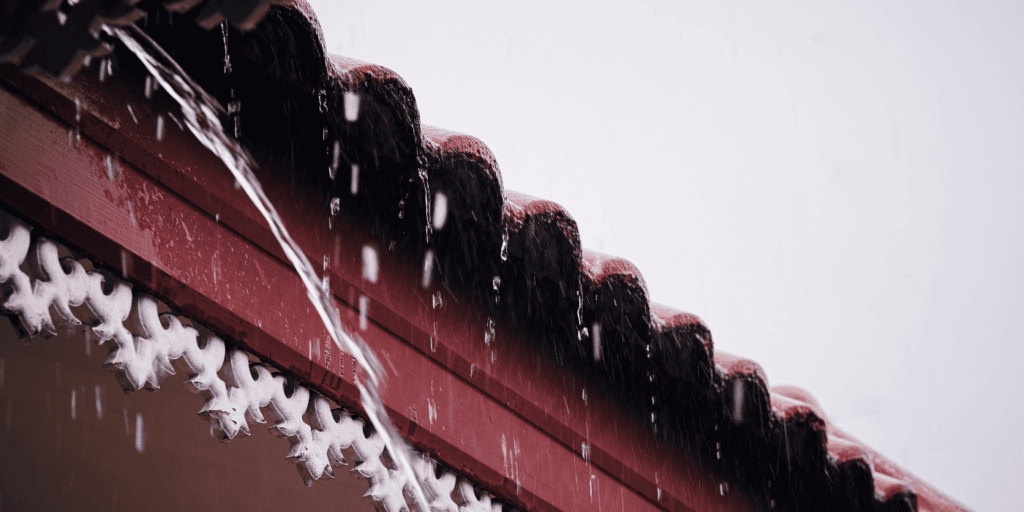
Finding water stains on your ceiling or walls is every homeowner’s nightmare. You know there is a problem, but pinpointing exactly where a roof leak originates can feel like searching for a needle in a haystack. Water travels along rafters, beams, and other surfaces before it finally drips into your living space, meaning the spot where you see the damage may be far from where the water actually enters your roof.
In this guide, we will walk you through the signs of a roof leak in your attic, explain the difference between condensation and actual leaks, help you determine if your ceiling leak comes from the roof or another source, and show you the early warning signs that your roof may be failing.
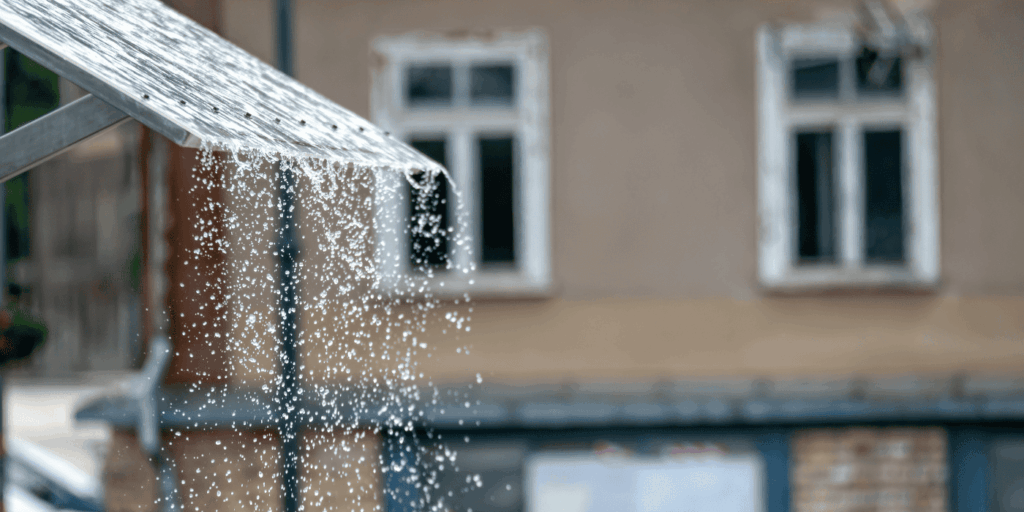
Your attic is the best place to start when trying to identify where a roof leak is coming from. This space sits directly beneath your roof and often reveals problems before they become visible on your ceilings below. A thorough roof leak inspection in your attic can help you catch issues early and guide professionals to the exact source of the problem.
Begin your attic inspection during daylight hours with a good flashlight. Look at the underside of the roof deck for water stains, dark spots, or any signs of moisture. Fresh water damage appears as wet patches or shiny areas, while older damage shows as stained, discolored, or darkened wood. Pay special attention to areas around roof penetrations such as vents, chimneys, and skylights, as these are common weak spots where leaks develop.
Turn off your flashlight and any other lights for a moment. Look for bright spots where sunlight shines through the roof. If light can enter your attic, water can too. These gaps indicate holes, cracks, or missing materials that need immediate attention.
Check your attic insulation for dampness or compression. Wet insulation loses its effectiveness and can harbor mold. If you find damp spots in the insulation, trace them upward toward the roof to locate the entry point. Remember that water often travels along rafters before dripping down, so the actual leak may be several feet away from where you find the wet insulation.
Look for other warning signs including rusted nails poking through the roof deck, mold or mildew growth on wooden surfaces, a musty odor, and warped or sagging rafters. All of these indicate prolonged moisture exposure that requires professional roof leak repair.
Not all moisture in your attic comes from a leak in your roof. Condensation is a common problem that can cause similar damage, including water stains, mold growth, and rotting wood. However, condensation and roof leaks require completely different solutions, so correctly identifying the source is essential before you begin any repairs.
1. Condensation occurs when warm, moist air from your living spaces rises into the colder attic. When this warm air meets the cold underside of your roof deck, the moisture in the air turns into water droplets that collect on surfaces. This typically happens during winter or cold weather when the temperature difference between your heated home and the unheated attic is greatest.
2. One of the clearest ways to tell the difference is timing. If moisture appears during or immediately after rain or snowmelt, you likely have a roof leak. If the moisture shows up during cold spells regardless of precipitation, condensation is probably the culprit. Roof leaks also tend to create localized wet spots directly below the entry point, while condensation usually affects larger areas of the attic more evenly.
3. Check your attic windows if you have them. Foggy or wet window glass indicates high humidity levels consistent with condensation rather than a leak. Also examine how much of your insulation is affected. A few damp spots suggest a leak, while widespread dampness throughout the insulation points to condensation.
4. Condensation problems are usually solved by improving attic ventilation and sealing air leaks between your living space and attic. Exhaust fans in bathrooms and kitchens should vent to the outside, never into the attic. If you suspect condensation, have a professional assess your attic insulation and ventilation before assuming you need roof leak repair.
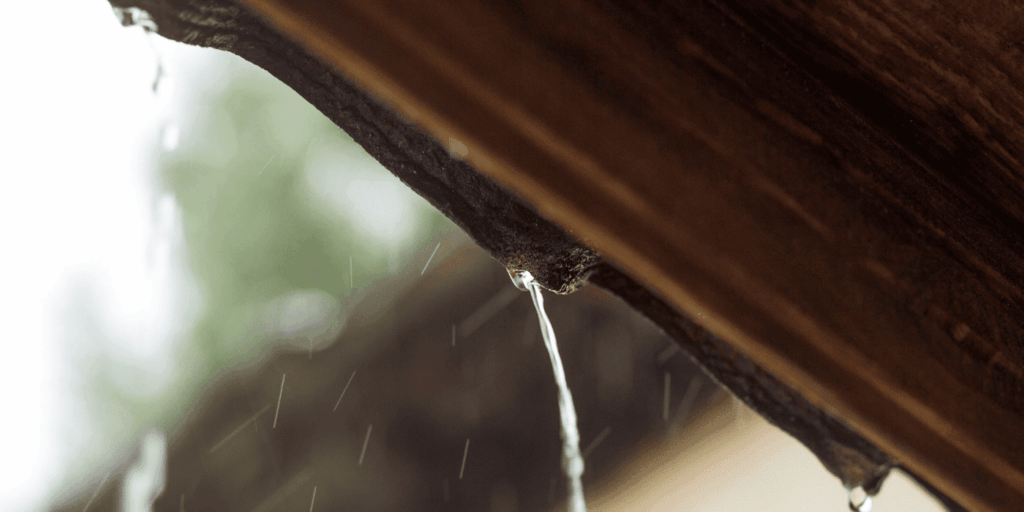
When you discover water damage on your ceiling, your first assumption might be that your roof is leaking. However, ceiling leaks can come from several sources, and correctly identifying the cause determines whether you need a roofer, a plumber, or another specialist.
Roof leaks typically reveal themselves during or shortly after rain or snowmelt. The water stains often appear near exterior walls, in corners of rooms, or below obvious roof features like skylights or chimneys. If you notice water damage only when it rains outside, and especially if you can trace the problem to your attic, the roof is likely your issue.
Plumbing leaks are another common cause of ceiling water damage. If the stain appears directly below a bathroom, kitchen, or anywhere with water supply lines, a pipe leak may be responsible. A simple test can help you determine the source. Turn off your home’s main water supply for a few hours. If the leak stops, you have a plumbing problem. If it continues, especially during wet weather, look to the roof.
Other ceiling leak sources include HVAC condensation from improperly installed or leaking air conditioning systems, ice dams in winter that force water under shingles, and clogged gutters that cause water to back up and enter the home. Each situation requires a different approach to fix.
When investigating ceiling leaks, look for additional clues. Plumbing leaks often produce a constant drip regardless of weather, while roof leaks are usually intermittent and tied to precipitation. Sewage pipe leaks may have an unpleasant odor. If you are unsure of the source, professional roof leak detection using moisture meters or thermal imaging can pinpoint the exact location without damaging your walls or ceiling.
Catching roof problems early prevents small issues from becoming major disasters. Many homeowners do not realize their roof is failing until water is actively leaking into their home. By learning to recognize the early warning signs, you can schedule replacement or repair before extensive damage occurs.
At OneGuard Roofing, we help Boston homeowners identify roof leaks and determine the best course of action. Our free drone inspections use advanced imaging to detect damage, moisture, and problem areas that may not be visible from the ground. Whether you need a simple repair or are considering how to fix a roof leak before it worsens, our licensed and insured team provides honest assessments, transparent pricing, and a 10-year workmanship warranty.
Contact us today for a comprehensive roof leak inspection.