What to Do If a Tree Falls on a Roof? 5 Immediate Actions to Take
If a tree falls on a roof, take these 5 immediate actions: evacuate everyone including pets, call 911 if there’s…

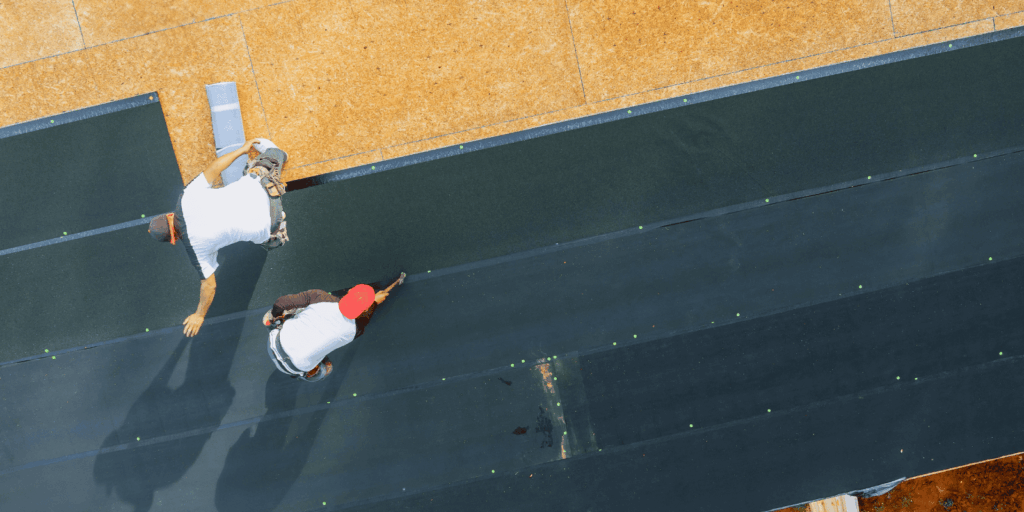
Spring is the optimal time to address flat roof repair using materials specifically designed for low-slope applications including EPDM rubber, TPO membrane, modified bitumen, and specialized coatings that restore weatherproof protection after Boston’s harsh winter. Understanding flat roof repair materials helps property owners make informed decisions about maintaining their roofing systems and choosing the right roofing materials for spring projects.
Unlike asphalt shingle roof systems that rely on overlap and gravity, flat roofs depend on continuous waterproof membranes that require material-specific flat roof repair approaches. This comprehensive guide covers the best flat roof repair materials spring applications require, explaining when each material type is appropriate.
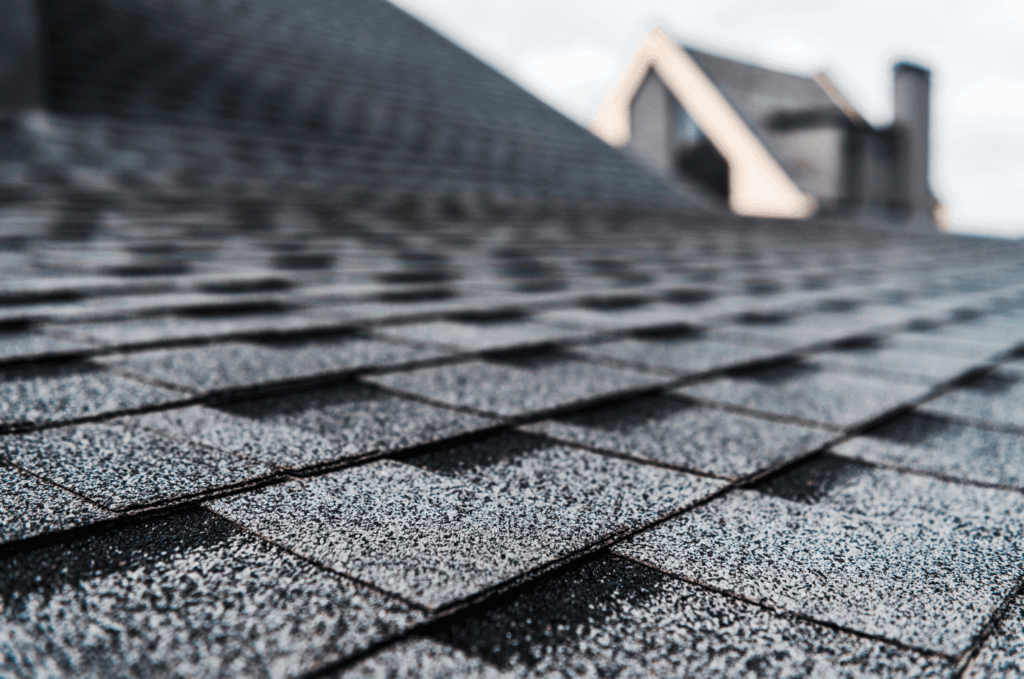
Spring is ideal for flat roof repair because moderate temperatures between 50-70°F allow proper adhesive curing and membrane bonding, winter damage becomes fully visible once snow and ice clear, and dry conditions ensure materials install correctly, making spring the perfect season for flat roof repair materials application.
Most flat roof repair materials require specific temperature ranges for proper roof installation. EPDM adhesives need temperatures above 40°F. TPO heat welding works optimally between 50-80°F. Modified bitumen torch application requires dry conditions. Cold-applied products perform best in moderate warmth. Spring’s temperatures in Boston typically fall within these ideal ranges, ensuring flat roof repair materials bond correctly and provide lasting protection.
Boston winters stress flat roofs significantly. Ponding water from snowmelt, freeze-thaw cycling that stresses seams, ice formation that lifts membrane edges, and debris accumulation all create damage patterns visible once spring arrives. Professional roof inspection identifies which flat roof repair materials your specific damage requires before problems worsen through spring rains.
The best flat roof repair materials depend on your existing roofing system, EPDM repairs require EPDM-compatible products, TPO needs heat-weldable patches, and modified bitumen uses torch-applied or cold-adhesive materials, matching repair materials to your existing membrane ensures proper bonding and lasting results.
EPDM (ethylene propylene diene monomer) flat roof repair materials include:
EPDM roofing materials for spring repairs must be compatible with existing membrane. Using incompatible products causes adhesion failure and premature repair breakdown. Professional contractors ensure material compatibility for lasting flat roof repair results.
TPO (thermoplastic polyolefin) flat roof repair materials differ from EPDM because TPO uses heat welding rather than adhesives for most repairs. TPO patch material must match existing membrane thickness and formulation. Heat guns or hot-air welders fuse patches to existing membranes, creating seamless bonds stronger than adhesive connections. For minor repairs, TPO-compatible sealants address small punctures and detail work.
Modified bitumen flat roof repair materials come in torch-applied and cold-process varieties. Torch-applied patches use heat to melt asphalt layers together, creating waterproof bonds. Cold-applied options use adhesives that don’t require open flame, safer for occupied buildings. Self-adhering modified bitumen patches offer DIY-friendly options for minor repairs, though professional application ensures proper technique for lasting results.
Built-up roofing repairs use hot asphalt or cold-process adhesives to bond new felt layers to existing systems. Fiberglass or organic felt reinforcing fabric provides structural repair capability. Gravel or cap sheet finishes protect repaired areas. BUR repairs require professional expertise, hot asphalt application carries significant safety requirements that trained contractors manage appropriately.
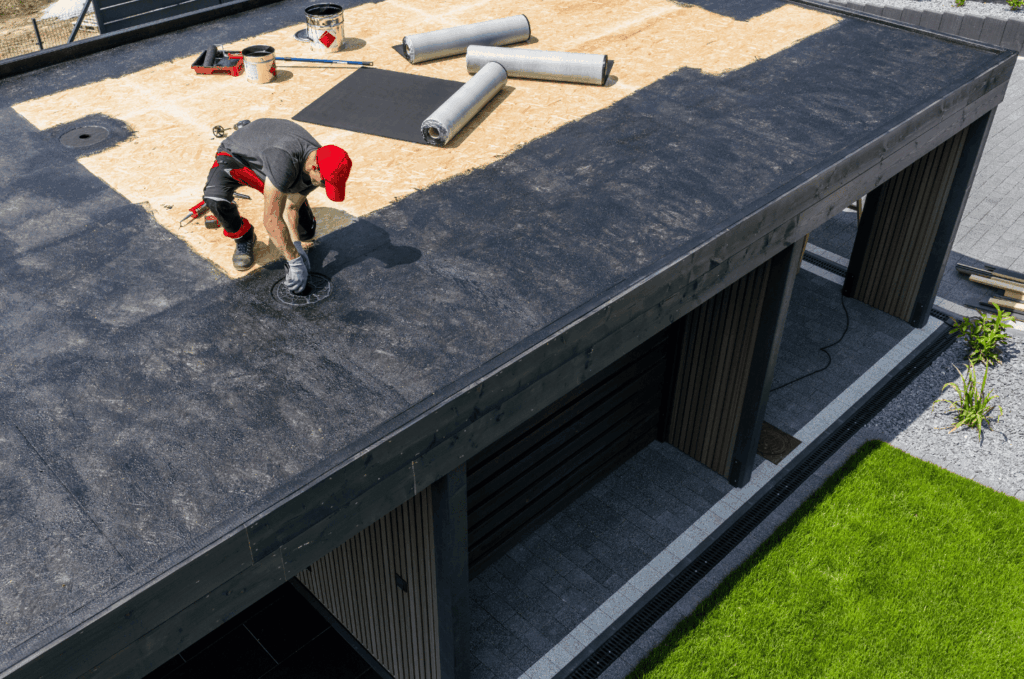
Flat roof coatings provide excellent roofing materials for spring maintenance, extending membrane life 10-15 years by creating protective barriers over existing surfaces options include acrylic, silicone, and polyurethane coatings that seal minor damage while improving energy efficiency and UV resistance.
Popular flat roof coating options include:
Flat roof coatings work best when the existing membrane remains structurally sound with only surface deterioration. They seal minor cracks, restore waterproofing, and reflect UV rays that accelerate aging. However, coatings cannot fix major damage, failed seams, or saturated insulation. Spring inspection determines whether coating provides sufficient flat roof repair or more extensive work is needed.
EPDM appears as black rubber with visible seams. TPO is typically white or gray with heat-welded seams. Modified bitumen shows granulated or smooth asphalt surface with torch or adhesive seams. Built-up roofing displays multiple layers often topped with gravel. If you’re unsure what roofing materials your flat roof uses, professional inspection identifies the system and appropriate flat roof repair materials.
Using incompatible flat roof repair materials causes adhesion failure, chemical reactions that degrade membranes, and repairs that fail prematurely. EPDM adhesives don’t bond to TPO. TPO welding damages EPDM. Petroleum-based products destroy certain membranes. Professional roof repair ensures material compatibility, a critical factor that prevents costly repair failures.
Flat roof repairs differ from asphalt shingle roof repairs because flat roofs rely on continuous waterproof membranes rather than overlapping materials, requiring specialized flat roof repair materials, different techniques, and expertise in membrane systems rather than traditional roofing methods.
Asphalt shingle roof repairs involve replacing individual damaged shingles, a relatively straightforward process using widely available materials. Flat roof repair requires understanding membrane systems, proper surface preparation, specialized adhesives or welding equipment, and techniques ensuring watertight seals. The skill set differs significantly, making flat roof expertise essential for lasting repairs.
You should call a professional for flat roof repair when damage exceeds small punctures or minor seam separations, when you’re unsure of your membrane type, when repairs require heat welding or hot asphalt, or when DIY attempts have failed, professional expertise ensures proper flat roof repair materials selection and application.
Professional flat roof repair provides:
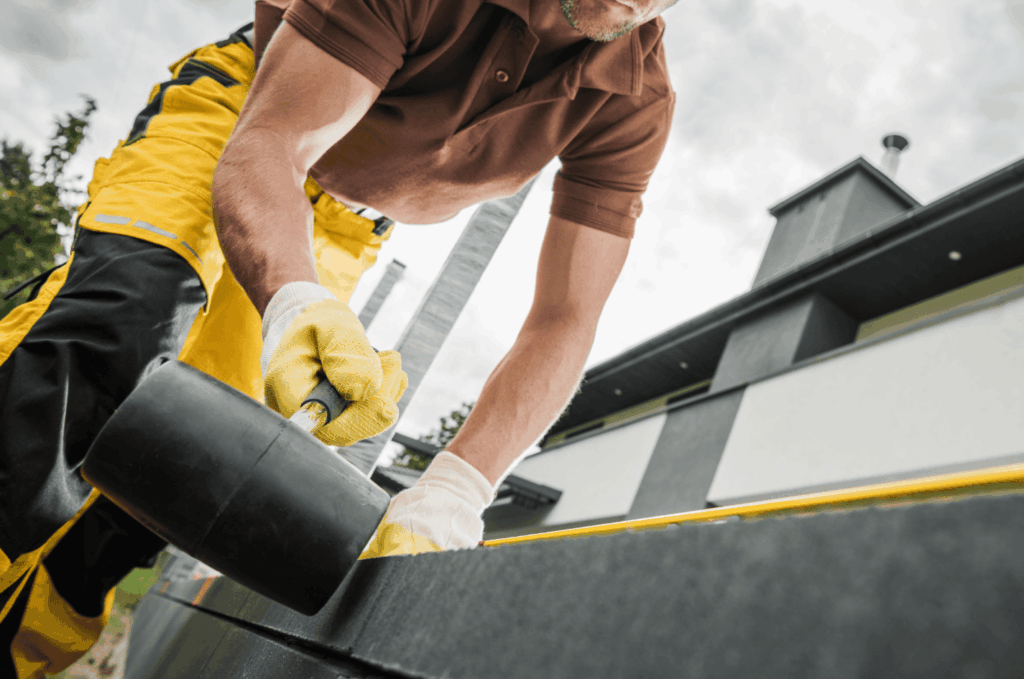
Boston’s spring season creates specific opportunities and challenges for flat roof repair materials application.
Boston winters stress flat roofs with unique intensity. Ice dam formation along parapets damages membrane edges. Freeze-thaw cycling opens seams. Ponding from snowmelt accelerates deterioration. Heavy snow loads stress structures. Spring inspection should specifically evaluate these Boston-specific damage patterns before selecting appropriate flat roof repair materials spring applications require.
Schedule flat roof repair early in spring before seasonal rains begin. Mid-April through May typically offers ideal conditions in Boston, warm enough for proper material application, dry enough for uninterrupted work. Flat roof contractors’ schedules fill quickly as property owners throughout Cambridge, Brookline, Newton, Somerville, and Greater Boston address winter damage simultaneously.
Don’t let winter damage compromise your flat roof’s protection. Our free drone inspection identifies all repair needs and recommends the appropriate flat roof repair materials spring maintenance requires whether that’s targeted repairs, protective coatings, or complete replacement.
We serve Boston, Cambridge, Brookline, Newton, Somerville, Quincy, and all Greater Boston communities. Trust the flat roof experts who understand roofing materials for spring and deliver lasting results.
Contact OneGuard Roofing to schedule your free spring inspection.