What to Do If a Tree Falls on a Roof? 5 Immediate Actions to Take
If a tree falls on a roof, take these 5 immediate actions: evacuate everyone including pets, call 911 if there’s…

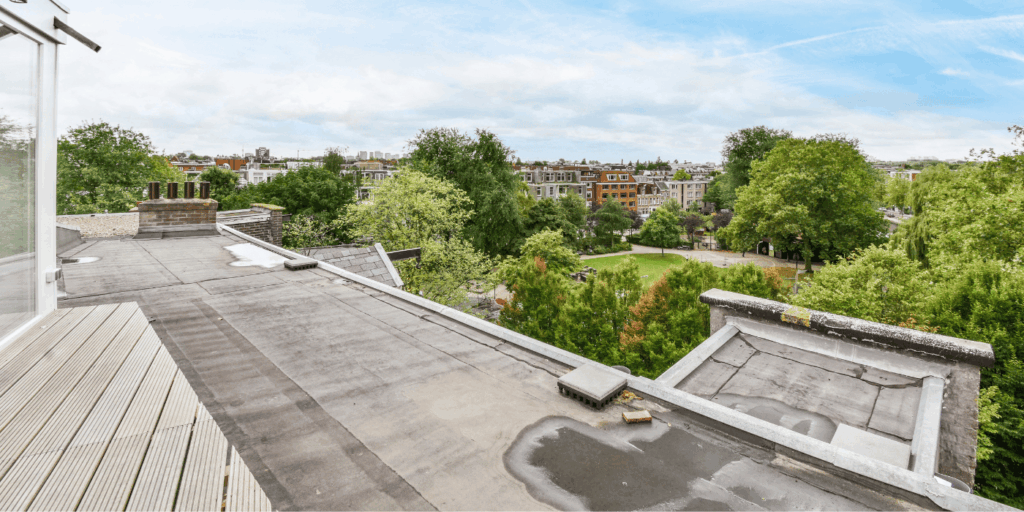
Flat roofs leak in cold climates like Boston primarily because snow accumulation, freeze-thaw cycling, and ice dam formation create persistent moisture pressure that exploits membrane seams, drainage weaknesses, and flashing joints throughout the winter season. When flat roofs leak, the consequences extend far beyond simple water intrusion, structural damage, mold growth, and costly repairs follow quickly if problems remain unaddressed.
The flat roof design that offers practical advantages for commercial flat roof applications and flat roof residential properties also creates vulnerabilities that cold weather exploits relentlessly. From snow accumulation to ice dam formation, Boston’s climate tests every aspect of flat roof construction.
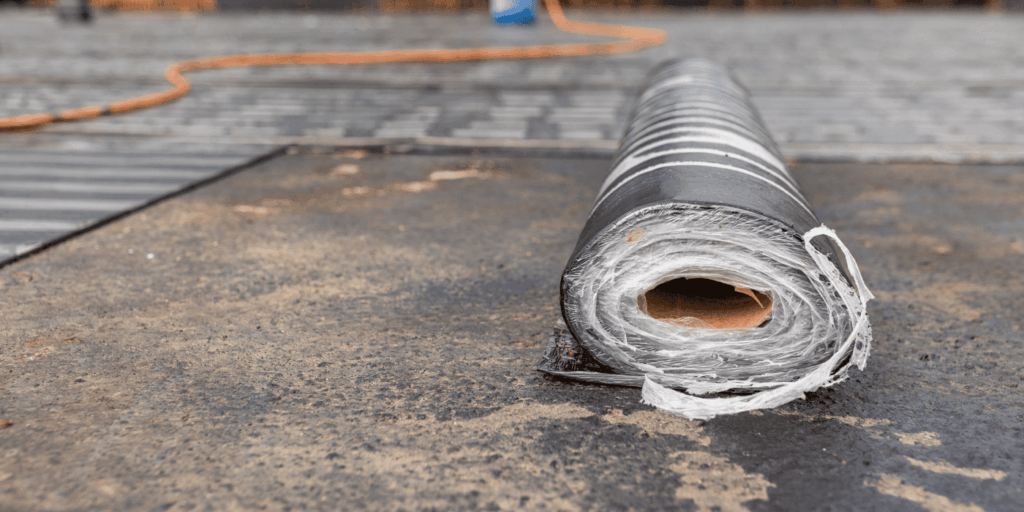
Heavy snowfall creates immediate stress on flat roof systems that pitched roofs naturally avoid through gravity-assisted snow shedding. When snow accumulates on flat surfaces, its weight stresses structural components while creating conditions perfect for water infiltration as temperatures fluctuate above and below freezing.
Massachusetts building codes require flat roofs to support minimum snow loads, but prolonged accumulation during severe winters can approach or exceed these limits. As snow compresses and absorbs moisture, its weight increases dramatically, wet snow weighs significantly more than fresh powder. This added weight causes subtle roof deck deflection that stresses membrane seams and flashings, creating pathways where flat roofs leak.
Boston’s temperature patterns frequently cross the freezing threshold multiple times per week during winter months. Each freeze-thaw cycle causes flat roof material to expand and contract, weakening seams and adhesive bonds over time. Melting snow penetrates tiny gaps during warm periods, then expands as it refreezes, forcing these openings wider with each cycle until significant roof leak pathways develop.
While ice dams typically affect pitched roofs in Brookline, flat roof systems with inadequate drainage experience similar problems at roof edges and around drain areas. When interior heat escapes through poorly insulated roof decks, it melts snow from below. This meltwater flows toward colder roof perimeters where it refreezes, creating ice barriers that trap subsequent meltwater. The backed-up water finds any available entry point, causing flat roofs leak problems that often appear far from the actual water entry location.
Despite their name, properly designed flat roofs actually incorporate slight slopes that direct water toward drainage points. When this flat roof design fails to function correctly, water pooling creates persistent problems that accelerate membrane deterioration and increase roof leak flat roof risk dramatically.
Several factors contribute to water pooling on flat roof surfaces. Structural settling over time can eliminate the subtle slopes built into original flat roof installation, leaving low spots where water collects. Debris accumulation around drains restricts water flow, while compressed or deteriorated insulation creates depressions in the roof surface. Previous repairs using incompatible materials may also create uneven surfaces that trap water.
Standing water acts as a magnifying lens for UV radiation, accelerating membrane breakdown in pooling areas. The constant moisture exposure degrades flat roof material compounds, causing premature aging that leads to cracking, blistering, and eventual failure. In winter, pooled water freezes and expands, stressing surrounding membrane areas. Different types of flat roofs respond differently to ponding, but all suffer accelerated deterioration when water stands for extended periods.
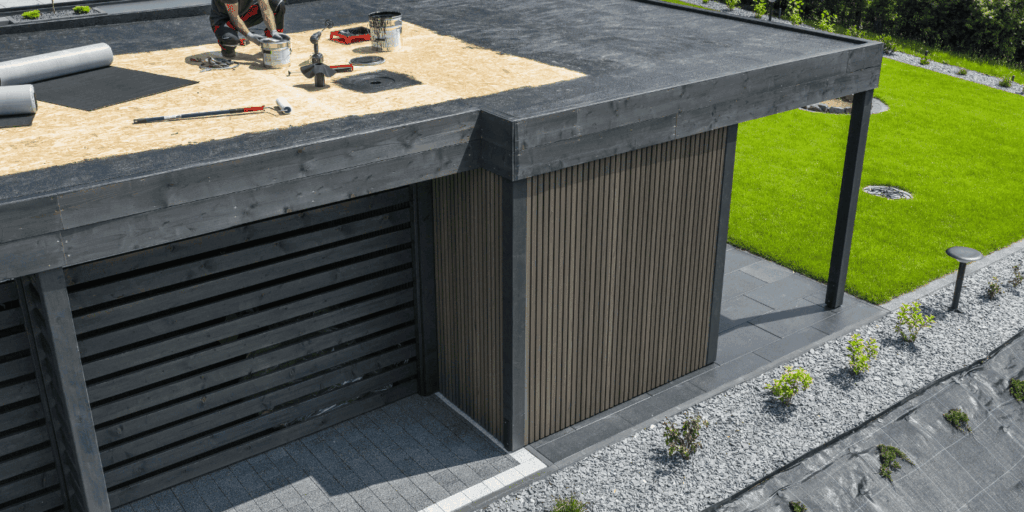
Understanding where flat roofs leak most frequently helps property owners focus inspection efforts and address vulnerabilities before problems develop. Both commercial flat roof and flat roof residential applications share common weak points that require regular attention.
Every flat roof installation requires joining multiple membrane sections, and these seams represent the most common roof leak entry points. Temperature cycling causes seam adhesives and heat welds to stress repeatedly, eventually creating separation that allows water entry. Proper flat roof drawing specifications call for overlapping seam configurations that resist water infiltration, but even well-installed seams require periodic inspection and maintenance.
Wherever pipes, vents, HVAC units, or other equipment penetrate the roof membrane, flashing creates waterproof transitions between different materials. These flashings endure significant thermal stress in Boston’s climate, expanding and contracting with temperature changes. Over time, sealants dry and crack while metal flashings may corrode or pull away from surrounding membranes. Regular inspection of all penetration points catches developing problems before flat roofs leak.
The transition between horizontal roof surfaces and vertical parapet walls creates natural stress points where different materials meet. Coping cap joints, base flashing terminations, and corner details all require precise installation and ongoing maintenance. Winter ice accumulation along parapet bases compounds these challenges, forcing water beneath flashings as ice expands during freeze cycles.
Effective drainage represents perhaps the single most critical factor in preventing flat roofs leak problems. When drainage systems fail to remove water efficiently, every other roof component suffers accelerated stress and deterioration.
Many commercial flat roof installations utilize internal drains that channel water through the building to underground discharge points. These systems require clear drain bowls, functional strainers, and unobstructed leader pipes. Debris accumulation, freeze damage to drain components, and deteriorated drain flanges all compromise drainage capacity. When internal drains fail during heavy rain or rapid snowmelt, water backs up across the roof surface.
Scuppers, openings through parapet walls that allow water to exit the roof, provide simple, reliable drainage when properly sized and maintained. However, undersized scuppers cannot handle heavy water volumes, while debris accumulation or ice blockage prevents any drainage. External gutters attached to scupper outlets face similar challenges, with ice formation during winter creating backups that send water searching for alternative paths.
Original flat roof design should incorporate minimum slopes of 1/4 inch per foot toward drainage points, with crickets (small peaked structures) directing water around large penetrations and equipment curbs. When these design elements are missing, inadequate, or compromised by settling, water finds paths that designers never intended, often directly into the building.
Insulation plays dual roles in flat roof systems: maintaining interior comfort and preventing condensation that leads to hidden moisture damage. When insulation fails, both functions suffer, creating conditions where flat roofs leak from causes that may not be immediately apparent.
Once water penetrates a flat roof membrane, insulation beneath absorbs and retains moisture. Wet insulation loses thermal resistance, increasing heating costs and creating temperature differentials that promote additional condensation. The trapped moisture accelerates corrosion of metal roof decks, deterioration of wood components, and growth of mold within the roof assembly. Thermal imaging during professional inspections can identify wet insulation areas requiring attention.
Thermal bridges, areas where insulation is interrupted by structural elements or penetrations, create cold spots on interior ceiling surfaces. In Boston’s cold winters, warm, moist interior air contacts these cold surfaces and condenses, creating moisture problems often mistaken for roof leak flat roof issues. Proper flat roof installation addresses thermal bridging through continuous insulation layers and careful detailing around penetrations.
Cold climate conditions significantly impact how long different types of flat roofs provide reliable service. Understanding realistic lifespan expectations helps property owners plan maintenance budgets and replacement timelines effectively.
Different flat roof material choices offer varying service lives in Boston’s climate. EPDM rubber membranes typically last 20 to 25 years with proper maintenance, while TPO and PVC systems often achieve 25 to 30 years. Modified bitumen systems provide 15 to 20 years of service, and built-up roofing (BUR) can last 20 to 30 years depending on the number of layers. These estimates assume proper flat roof installation and regular maintenance, neglected roofs fail significantly sooner.
Proactive maintenance dramatically extends flat roof service life in cold climates. Schedule professional inspections twice annually, spring assessments identify winter damage while fall inspections prepare roofs for approaching cold. Keep drains clear, address ponding promptly, and repair minor membrane damage before it spreads. For flat roof residential applications, ensure attic spaces below are properly ventilated to minimize condensation and ice dam potential.
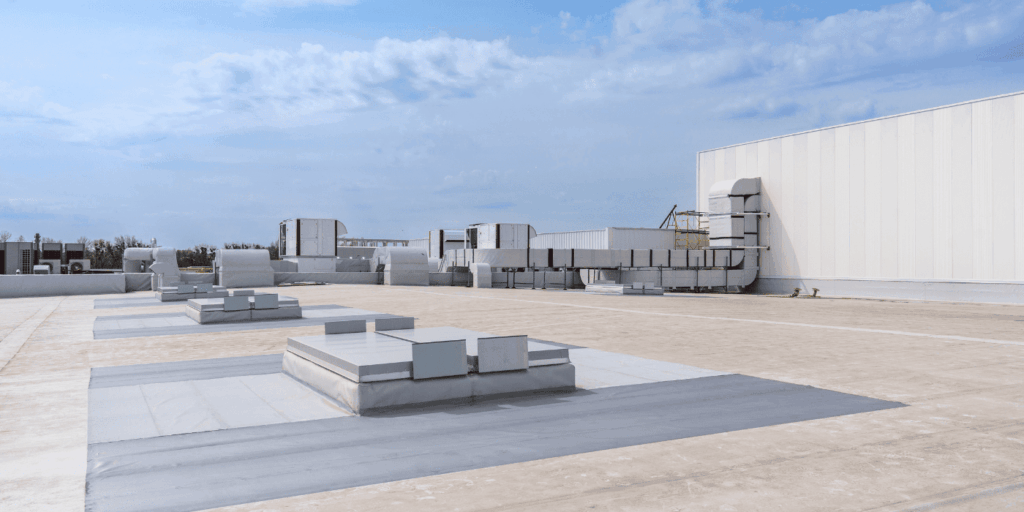
Roof Construction provides comprehensive flat roof installation, repair, and maintenance services throughout the greater Boston area. Our 5-star rated team understands the unique challenges Boston’s climate presents for flat roof systems and delivers solutions designed for long-term performance.
Our flat roof services include:
Understanding why flat roofs leak in Boston’s cold climate empowers property owners to take proactive steps that prevent costly damage. From snow load stress to drainage failures, each vulnerability has solutions when addressed promptly by OneGuard Roofing experienced professionals.
Contact OneGuard Roofing to schedule your free flat roof inspection.