Fascia and Soffit Damage: How It Affects Your Roof and Gutters
Fascia is the vertical board along your roof edge that holds your gutters; soffit is the panel underneath that ventilates…

The answer depends on several factors. Like everything else in your house, your roof will not last forever. At some point, you will need to replace it. Climate, maintenance, and installation quality play important roles to make this decision. A well-maintained asphalt shingle roof might last 20 to 30 years, while a slate roof could protect your home for a century or more.
In this guide, we will explore the average lifespan of common roofing materials. We will also look at the factors that affect how long your roof will last. This information will help you make smart decisions about roof maintenance and replacement.
The harsh Boston climate puts serious stress on roofing materials throughout the year. Heavy snowfall, ice dams, freezing rain, and dramatic temperature swings all take their toll on your roof.
Ice dams are one of the most common problems for Boston roofs. They form when warm air escapes from your attic and melts snow on the roof. The water then refreezes at the edges, creating a barrier. This trapped water can seep under your shingles and cause serious damage over time.
The freeze-thaw cycles in Massachusetts are particularly hard on roofing materials. When temperatures rise during the day and drop at night, roofing materials expand and contract. This constant movement can loosen shingles, crack tiles, and weaken seals around flashing.
Different roofing materials have very different lifespans. Understanding how long each type of roof lasts can help you make the best choice for your home and budget. Here is a breakdown of the most common roofing materials and their expected lifespans.
Asphalt shingles are the most popular roofing material in the United States. They are affordable, easy to install, and come in many colors and styles. But how long does a shingles roof last?
There are two main types of asphalt shingles: three-tab and architectural. Three-tab shingles are the most basic and affordable option. They typically last between 15 and 20 years with proper care. Architectural shingles, also called dimensional shingles, are thicker and more durable. They usually last 25 to 30 years.
Premium or designer asphalt shingles can last even longer. Some manufacturers offer warranties of up to 50 years for their top-tier products. However, the actual lifespan often falls slightly short of these warranty periods. In real-world conditions, most asphalt shingle roofs need replacement after 20 to 30 years.
Climate plays a big role in how long asphalt shingles last. In cooler regions like Winchester, shingles may last closer to the higher end of their expected lifespan. In hot, sunny climates, the intense UV rays can cause shingles to dry out and become brittle faster.
Metal roofing has become increasingly popular in recent years. Homeowners appreciate its durability, energy efficiency, and modern appearance. How long does a metal roof last?
A properly installed metal roof can last 40 to 70 years or even longer. The exact lifespan depends on the type of metal used. Standard steel and aluminum roofs typically last 40 to 60 years. High-quality copper roofs can last more than 70 years with minimal maintenance.
Metal roofs are especially popular in northern regions like Boston. They shed snow easily, which helps prevent ice dam formation. They also resist fire, rot, and insect damage. The main drawback is that metal roofs can be dented by large hail or falling tree branches.
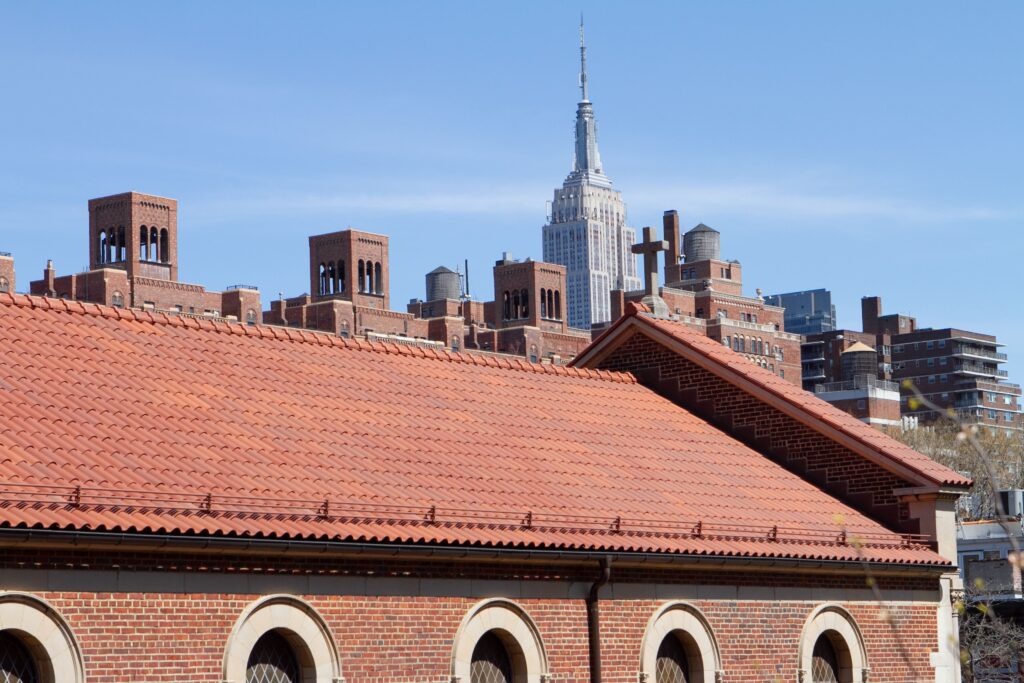
Tile roofs are known for their beauty and exceptional durability. Tile roofs are common for sunny Cambridge weather. A well-maintained tile roof can last 50 to 100 years.
Clay tiles are the most traditional option. They resist fire, rot, and pests naturally. Clay tile roofs often last 75 to 100 years. Some clay tile roofs in Europe have protected buildings for centuries.
Concrete tiles offer a more affordable alternative to clay. They are durable and come in many styles that can mimic other roofing materials. Concrete tile roofs typically last 30 to 50 years with regular maintenance.
One thing to keep in mind with tile roofs is their weight. Both clay and concrete tiles are much heavier than asphalt shingles. Your home may need structural reinforcement to support a tile roof. This can add to the installation cost.
Cedar shake and shingle roofs offer a natural, rustic appearance that many homeowners love. With proper care and maintenance, a cedar shake roof can last 30 years. In ideal conditions with excellent maintenance, some cedar roofs last 40 to 50 years. However, wood roofs require more upkeep than other materials to reach their full potential.
Moisture is the biggest threat to wood roofs. When not properly maintained, moss, algae, and mold can grow on cedar shakes. These organisms hold moisture against the wood, causing it to rot over time. In humid climates, wood roofs may have shorter lifespans.
To get the most life from a cedar roof, plan on cleaning and treating it every two to four years. Remove debris regularly and trim overhanging branches to prevent moisture buildup. With this level of care, a cedar roof can provide decades of natural beauty.
Slate roofs are the gold standard for longevity. This natural stone material offers unmatched durability and a refined, elegant appearance. A properly installed slate roof can last 75 to 100 years. Some high-quality slate roofs have lasted more than 150 years.
Slate is naturally resistant to fire, rot, and insects. It has low water absorption, which makes it less vulnerable to freeze-thaw damage than many other materials. These qualities make slate an excellent choice for harsh climates.
When maintained properly, a slate roof may be the last roof your home ever needs.
The main drawbacks of slate are cost and weight. Slate is one of the most expensive roofing materials. It is also very heavy, so your home may need structural support. Roof installation requires specialized skills, so labor costs are higher than for other roofing types.
Roofing material is the primary factor in how long your roof will last. But several other factors can significantly extend or shorten your roof’s lifespan.
Climate and Weather: Extreme temperatures, heavy snow, ice, strong winds, and intense sun all stress roofing materials. Roofs in harsh climates like Boston face more wear and tear than those in mild regions. Choosing materials suited to your local climate is essential.
Installation Quality: A roof is only as good as its installation. Poor workmanship can lead to premature failure, no matter how high-quality the materials are. Always hire experienced, licensed roofing contractors who specialize in your chosen roofing material.
Ventilation: Proper attic ventilation is crucial for roof longevity. Without adequate ventilation, heat and moisture build up in your attic. In summer, this can cause shingles to deteriorate faster. In winter, it can lead to ice dams. Good ventilation helps regulate temperature and prevents moisture damage.
Maintenance: Regular maintenance can add years to your roof’s life. Schedule annual inspections, clean your gutters, remove debris, and address small problems before they become big ones. Proactive care is always cheaper than emergency roof repairs.
Roof Pitch: The slope of your roof affects how well water drains. Steeper roofs shed water and debris more efficiently, which can extend their lifespan. Low-slope and flat roofs may experience water pooling, which can accelerate deterioration.
Color: Dark-colored roofs absorb more heat than light-colored roofs. In hot climates, this extra heat can cause roofing materials to age faster. Lighter colors can help extend roof life in sunny regions.
Understanding these factors can help you make decisions that maximize your roof’s lifespan. At OneGuard Roofing, we help Boston homeowners understand their roofing options and make informed decisions.
If you are unsure about the condition of your current roof, schedule a professional inspection. An expert can identify problems early and recommend the best course of action.