What Do Roof Inspectors in Boston Look For? Complete Inspection Process

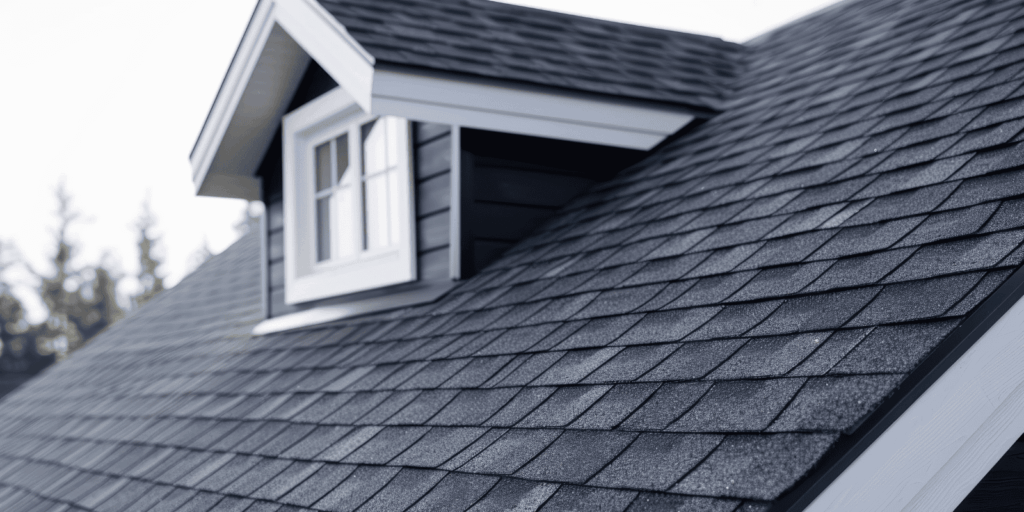
Home roof with dormer window shown during a roof inspection to examine shingles and ensure proper sealing

Roof inspectors look for damage, wear, structural issues, and potential problems that could lead to leaks or premature roof failure. A thorough roof inspection process examines every component of your roofing system, from visible shingles to hidden attic conditions. Understanding what roof inspectors in Boston check helps you appreciate the value of professional assessment and prepares you for any findings that may require roof repair or roof replacement.

This complete guide walks through the entire roof inspection checklist that professionals use when evaluating your home. Whether you are scheduling your first inspection or want to know what to expect during an upcoming assessment, this information helps you understand every step of the process.
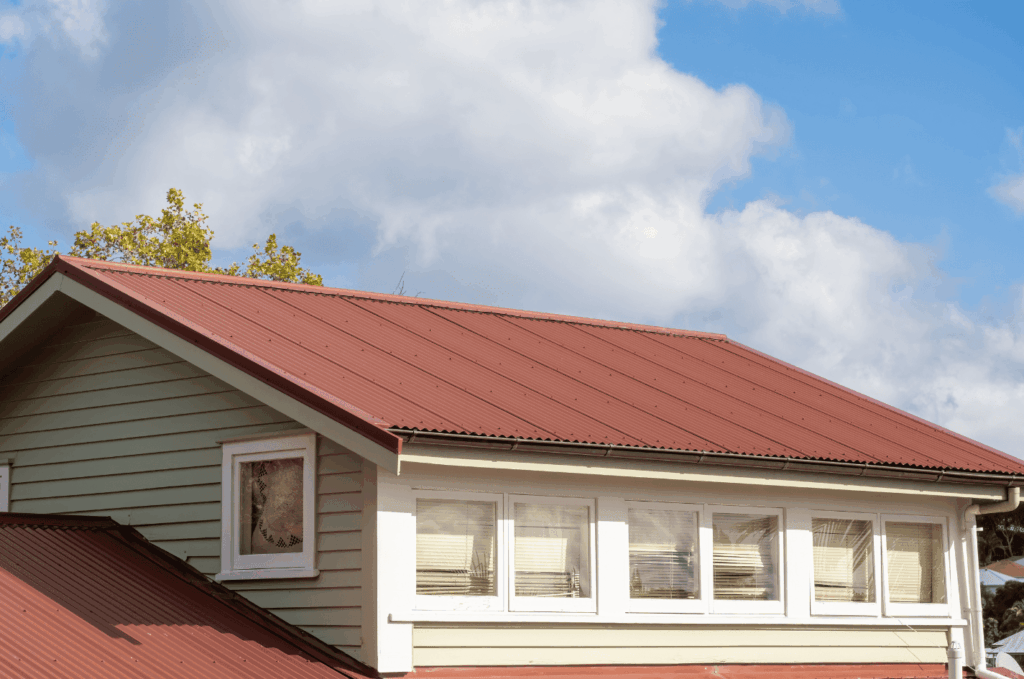
Metal roof on residential home displayed during a roof inspection to check panels, fasteners, and weather protection

How Does the Roof Inspection Process Work?

The roof inspection process works by systematically evaluating all roofing components through exterior examination, interior assessment, and structural analysis. Professional roofing contractors follow a methodical approach to ensure nothing gets overlooked. Most residential inspections take 45 minutes to 2 hours depending on roof size and complexity.

The inspection typically follows this sequence:

  1. Ground-level assessment: Initial visual check of overall roof condition
  2. Roof surface examination: Close inspection of materials using ladder, drone, or direct access
  3. Penetration and flashing check: Evaluation of seals around vents, chimneys, and transitions
  4. Gutter and drainage inspection: Assessment of water management systems
  5. Attic interior evaluation: Check for leaks, ventilation, and structural issues
  6. Documentation and reporting: Photos and written findings with recommendations

What Do Inspectors Check on the Roof Surface?

Inspectors check the roof surface for material damage, wear patterns, roof installation quality, and signs of aging that indicate current or future problems. The condition of your roofing materials directly affects how well your home is protected from the elements.

Shingle and Material Assessment

For asphalt shingle roofs, inspectors examine:

  • Missing shingles: Gaps in coverage exposing underlayment or decking
  • Cracked or broken shingles: Physical damage from impact, age, or weather
  • Curling or cupping: Edges lifting or centers dipping, indicating age or moisture
  • Granule loss: Bare spots where protective coating has worn away
  • Blistering or bubbling: Trapped moisture causing surface irregularities
  • Algae or moss growth: Biological growth that can damage materials over time
  • Proper installation: Correct nail placement, overlap, and alignment

Flat Roof Material Inspection

For flat or low-slope roofs, inspectors look for:
  • Membrane condition: Tears, punctures, or deterioration in rubber or TPO
  • Seam integrity: Separation or lifting at joints between sheets
  • Ponding water: Standing water that persists more than 48 hours after rain
  • Surface cracking: Crazing or alligatoring indicating UV damage
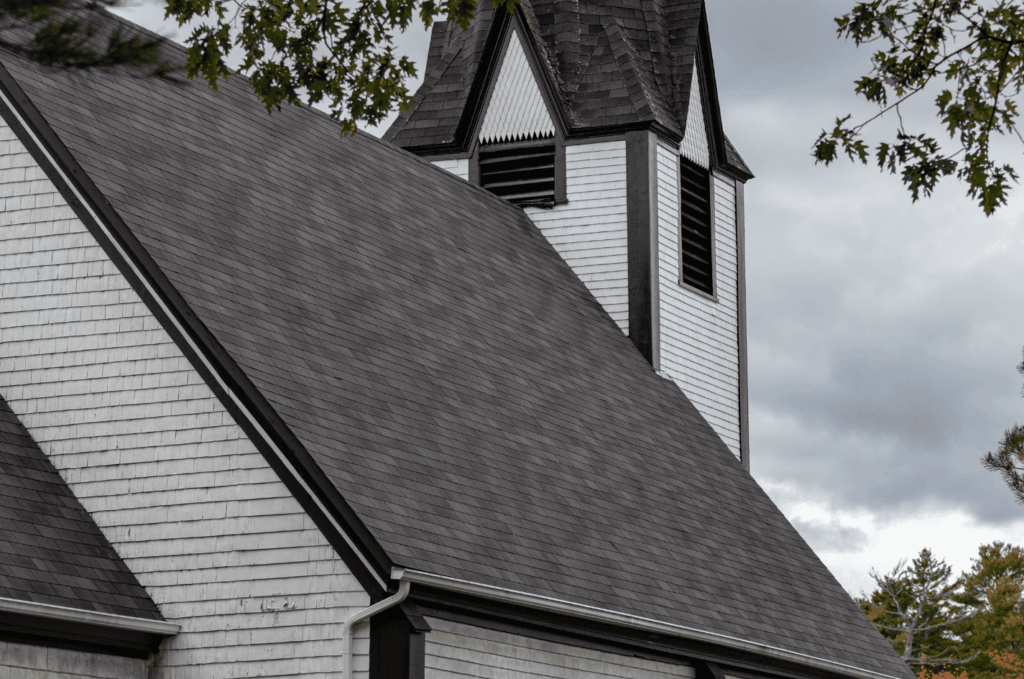
Church building roof with steep shingles shown during a roof inspection to check roof slopes and overall shingle condition

What Flashing and Penetrations Do Inspectors Examine?

Inspectors examine all flashing and penetrations because these transition points are the most common sources of roof leaks. Anywhere your roof meets a vertical surface, pipe, or opening requires careful sealing that can fail over time.

Critical flashing areas include:

  • Chimney flashing: Step flashing along sides and counter flashing at masonry
  • Vent pipe boots: Rubber or metal collars sealing around plumbing vents
  • Skylight seals: Flashing and caulking around skylight frames
  • Wall-to-roof transitions: Where dormers or upper walls meet lower roof sections
  • Valley flashing: Metal or membrane protection where roof planes meet
  • Drip edge: Metal edging along eaves and rakes
  • HVAC and exhaust penetrations: Seals around equipment and ductwork

How Do Inspectors Evaluate Gutters and Drainage?

Inspectors evaluate gutters and drainage because proper water management protects your roof, siding, and foundation. Clogged or damaged gutters cause water to back up under roofing materials, leading to rot, leaks, and ice dam formation during Boston winters.

Gutter inspection includes:

  • Debris accumulation: Leaves, granules, and sediment blocking flow
  • Proper slope: Gutters should angle toward downspouts
  • Secure attachment: Hangers and brackets holding gutters firmly
  • Seam condition: Joints and corners without leaks
  • Downspout function: Clear paths directing water away from foundation
  • Granule accumulation: Excessive granules indicate shingle wear

What Do Inspectors Look For in the Attic?

Roof Inspectors in Boston look for evidence of leaks, ventilation problems, insulation issues, and structural concerns in the attic. This interior assessment often reveals problems invisible from outside and provides critical information about your roof’s overall health.

Attic inspection checklist:

  • Water stains: Discoloration on rafters, sheathing, or insulation
  • Active leaks: Wet spots or dripping during or after rain
  • Daylight penetration: Light visible through the roof deck
  • Mold or mildew: Biological growth indicating moisture problems
  • Ventilation adequacy: Proper airflow through soffit and ridge vents
  • Insulation condition: Even coverage without compression or moisture damage
  • Structural integrity: Rafters and trusses without cracks, rot, or sagging
  • Pest evidence: Signs of rodents, insects, or birds entering through roof

What Structural Elements Are Inspected?

Structural elements inspected include the roof deck, rafters, trusses, fascia, and soffit. These components support your entire roofing system, and damage here can lead to serious safety concerns and expensive repairs beyond simple roof repair service.

Structural assessment covers:

  • Roof deck condition: Soft spots, rot, or delamination in plywood or OSB
  • Rafter integrity: Cracks, splits, or damage to supporting beams
  • Sagging or dipping: Uneven roofline indicating structural stress
  • Fascia boards: Rot or damage along roof edges
  • Soffit condition: Damage, holes, or detachment from structure

What Does the Inspection Report Include?

The inspection report includes a comprehensive summary of findings, photographic documentation, condition ratings, and professional recommendations. This document helps you understand your roof’s current state and plan for any necessary roofing services.

A thorough report contains:

  • Overall condition rating: Assessment of roof health on a standardized scale
  • Detailed photographs: Visual documentation of problems and general condition
  • Issue identification: Specific problems found during inspection
  • Urgency prioritization: Which issues need immediate attention
  • Estimated remaining life: How many more years your roof may last
  • Repair recommendations: Suggested fixes with approximate costs

And the last one is replacement guidance: When roof replacement or install roof services become necessary
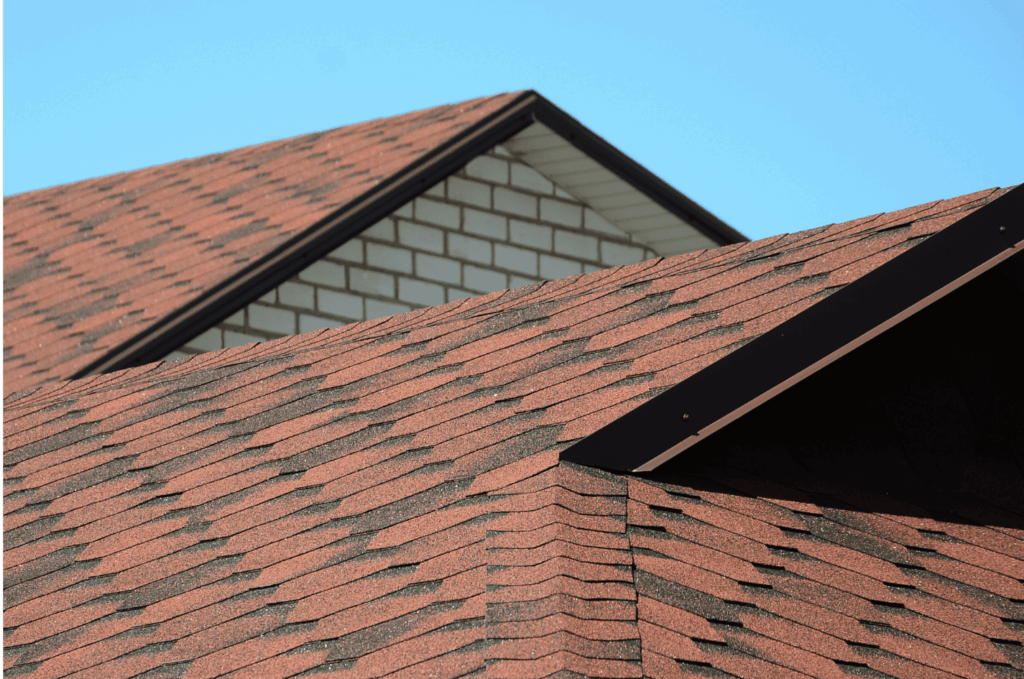
Red asphalt shingle roof ridge viewed during a roof inspection to check alignment, flashing, and signs of wear

OneGuard Roofing: Thorough Inspections You Can Trust

OneGuard Roofing provides comprehensive roof inspections using advanced drone technology and experienced roofing contractors who know exactly what to look for. Our detailed assessments follow the complete roof inspection in Boston checklist, ensuring nothing gets missed.

Our inspection services include:

  • Free drone inspection: High-resolution aerial assessment at no charge
  • Complete evaluation: Exterior, interior, and structural assessment
  • Detailed documentation: Written report with photographs
  • Honest recommendations: Straightforward advice on repair vs replacement
  • Full-service capability: Roof repair, replacement, and install roof services
  • Same-day response: Quick scheduling when you need answers fast
  • 10-year workmanship warranty: Quality assurance on all work performed

Get Your Professional Roof Inspection in Boston Today

Understanding what roof inspectors check helps you appreciate the value of professional assessment and prepare for any findings. From surface materials to structural components, a thorough roof inspection process protects your home by identifying problems before they become expensive emergencies. Regular inspection is the foundation of smart roof maintenance.

Contact OneGuard Roofing to schedule your free roof inspection.