What to Do If a Tree Falls on a Roof? 5 Immediate Actions to Take
If a tree falls on a roof, take these 5 immediate actions: evacuate everyone including pets, call 911 if there’s…

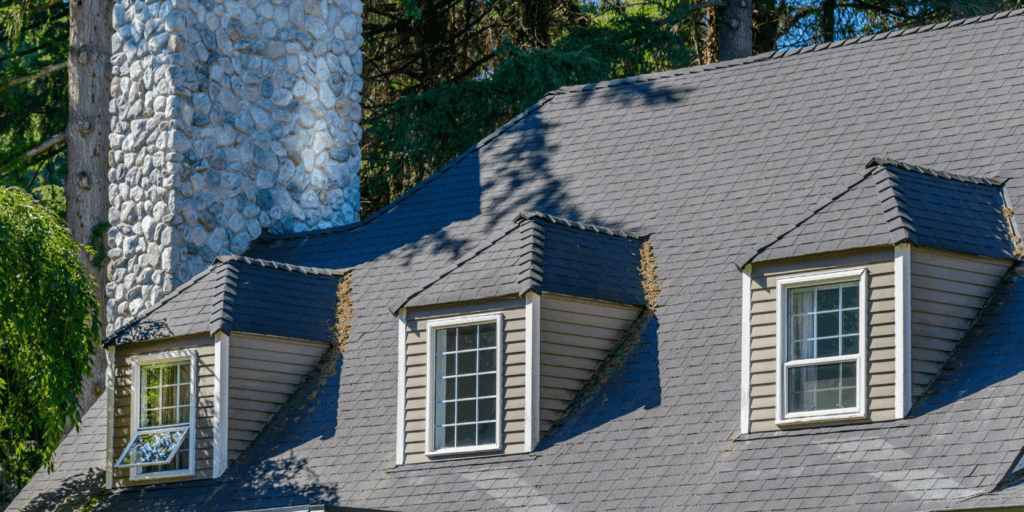
When your roof is leaking, immediate actions to take are resealing flashing, patching small holes, or replacing worn vent boots, flashing replacement, addressing multiple leak points, or repairing water-damaged decking.
Roof leakage causes progressive damage that spreads from initial water entry points through insulation, framing, drywall, and electrical systems, with repair costs increasing dramatically for every day the leak continues unchecked.
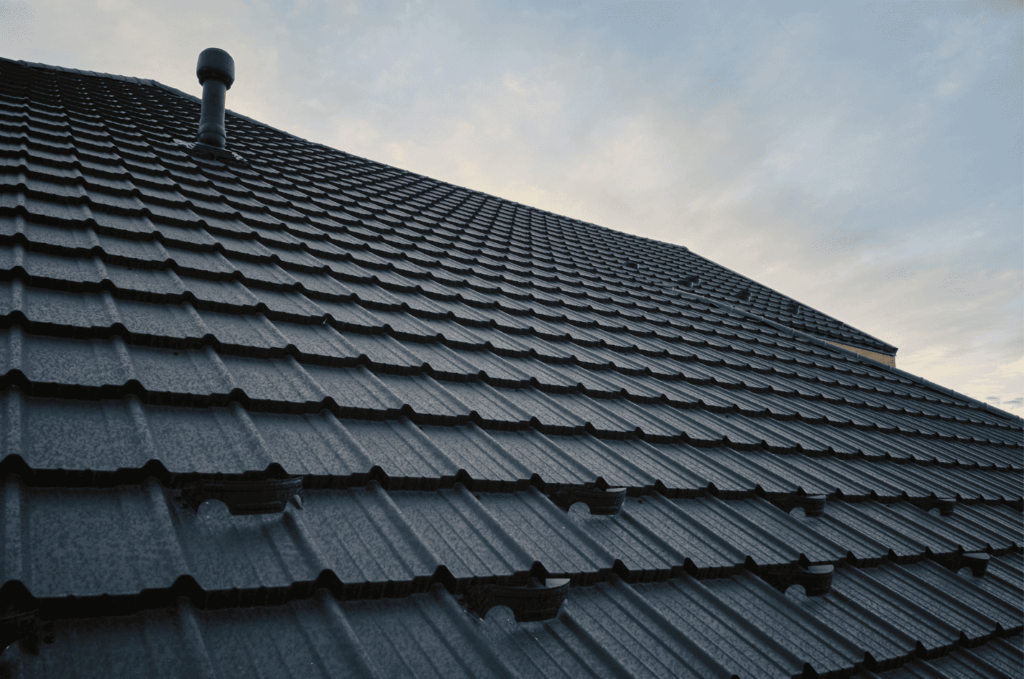
Before pursuing roof repair, understanding why leaks develop helps you address root causes rather than just symptoms.
Your roof is leaking due to one or more of these common causes:
Many homeowners notice roof leaks in heavy rain but not during light showers. Understanding this pattern helps identify the underlying problem.
Roof leaks in heavy rain occur because intense precipitation overwhelms marginal defects that handle light moisture adequately. Wind-driven rain penetrates at angles that normal rainfall doesn’t reach. Heavy downpours back up in gutters and overflow beneath roofing edges. High water volumes find pathways through small gaps that shed limited moisture successfully.
Boston’s nor’easters and severe storms deliver rain horizontally rather than vertically. This wind-driven rain pushes beneath shingle edges, through flashing gaps, and into areas designed to shed water falling from above. If your roof is leaking only during storms with significant wind, wind-driven rain penetration is likely the cause, requiring roof repair focused on sealing horizontal entry points.
Roof leaking snow melting situations are particularly common in Boston, where ice dam formation causes significant water damage each winter.
When heat escapes through your roof, it melts snow from below. This meltwater flows toward colder eaves where it refreezes, creating ice barriers. Subsequent meltwater backs up behind these dams, pooling on your roof. Because roofing materials are designed to shed flowing water, this pooled moisture seeps beneath shingles and into your home.
Addressing roof leaking snow melting requires both immediate intervention and long-term prevention. Ice and water shield membrane installed along eaves during roof installation provides critical protection. Proper attic insulation and ventilation prevent the heat transfer that causes ice dams. If your roof is leaking during winter thaws, professional roof inspection identifies whether ice dams are the cause and recommends appropriate solutions.
Finding where your roof is leaking often proves challenging because water travels along rafters and sheathing before appearing as interior damage.
Watch for these interior indicators that your roof is leaking:
Water entering your roof travels downward and laterally along structural members before appearing as interior damage, sometimes emerging far from the actual entry point. Professional roof inspection uses systematic assessment to trace leaks upstream to their true source. This ensures roof leak repair addresses the actual problem rather than just visible symptoms.
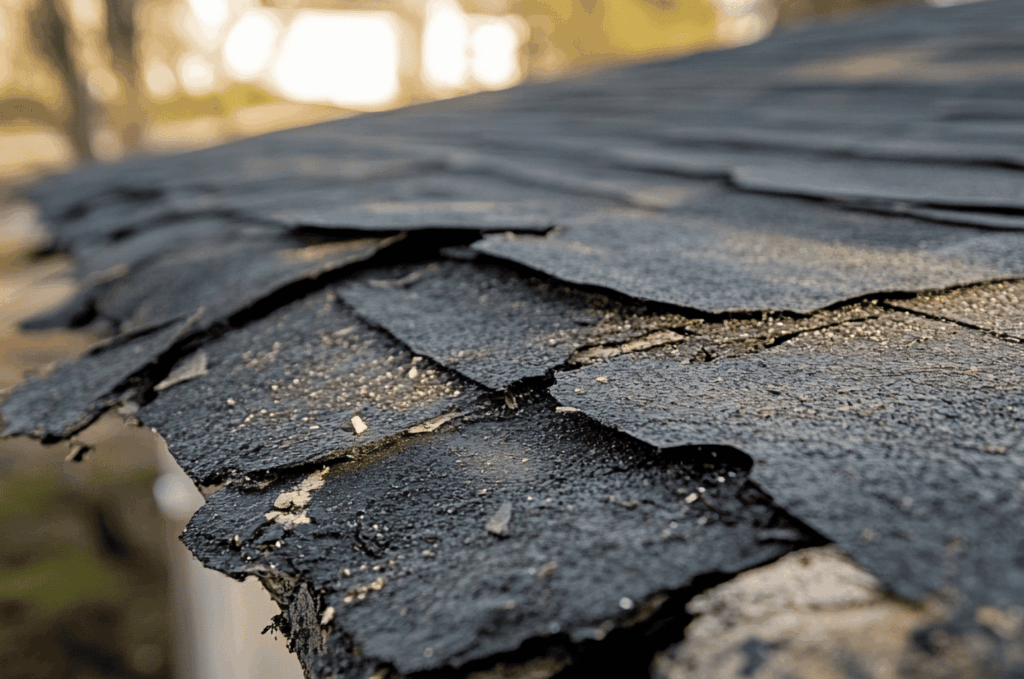
The appropriate roof leak fix depends on damage extent, leak source, and your roof’s overall condition.
When leaks result from isolated damage, targeted roof leakage repair provides cost-effective solutions. Replacing a few damaged shingles, resealing flashing, patching small holes, or replacing worn vent boots stops leaks without extensive work.
More extensive damage requires larger-scale roof leak repair. Replacing damaged sections of roofing, comprehensive flashing replacement, addressing multiple leak points, or repairing water-damaged decking falls into this category.
Sometimes roof leakage indicates system-wide failure where continued roof repair becomes counterproductive. If your roof is leaking from multiple locations, approaching end-of-life age, or showing widespread deterioration, roof replacement may provide better value than ongoing repairs. Professional roof inspection helps determine whether roof installation of new materials makes more financial sense than continued patching.
Understanding roof leakage cost helps you budget appropriately and recognize fair pricing for necessary repairs.
Your specific roof leakage cost depends on leak location and accessibility, damage extent beyond the visible leak, roof type and materials requiring matching, underlying damage to decking or structure, and whether emergency response is needed. Prompt attention typically reduces overall costs by preventing secondary damage that escalates repair scope.
Proactive maintenance significantly reduces roof leakage likelihood and catches problems early when repairs remain simple.
Professional roof inspection annually and after major storms identifies developing problems before your roof is leaking into your home. Inspectors assess shingle condition, flashing integrity, ventilation adequacy, and structural soundness. This proactive approach catches issues when roof leak fix solutions remain affordable and straightforward.
Keep gutters clean to ensure proper drainage. Trim overhanging branches that drop debris and damage shingles. Address minor damage promptly before it worsens. Ensure adequate attic ventilation to prevent ice dams and moisture accumulation. These practices extend roof life and reduce roof leakage repair frequency.
Boston’s climate creates unique roof leakage challenges that homeowners throughout the region encounter.
Boston’s nor’easters deliver wind-driven rain that causes roof leaks in heavy rain situations. Winter freeze-thaw cycles create ice dams causing roof leaking snow melting problems. Humid summers promote moss and algae growth that retains moisture against roofing materials. This demanding climate requires roofing systems installed and maintained to withstand conditions more severe than many other regions.
Different Boston neighborhoods present varying roof leakage challenges. Coastal communities face salt air exposure. Tree-lined areas encounter debris accumulation. Older neighborhoods feature aging roofing systems requiring more frequent attention. Quality roof leak repair services understand these local variations and adapt approaches accordingly throughout West Roxbury, Roslindale, Dorchester, Brookline, Newton, Cambridge, and surrounding communities.
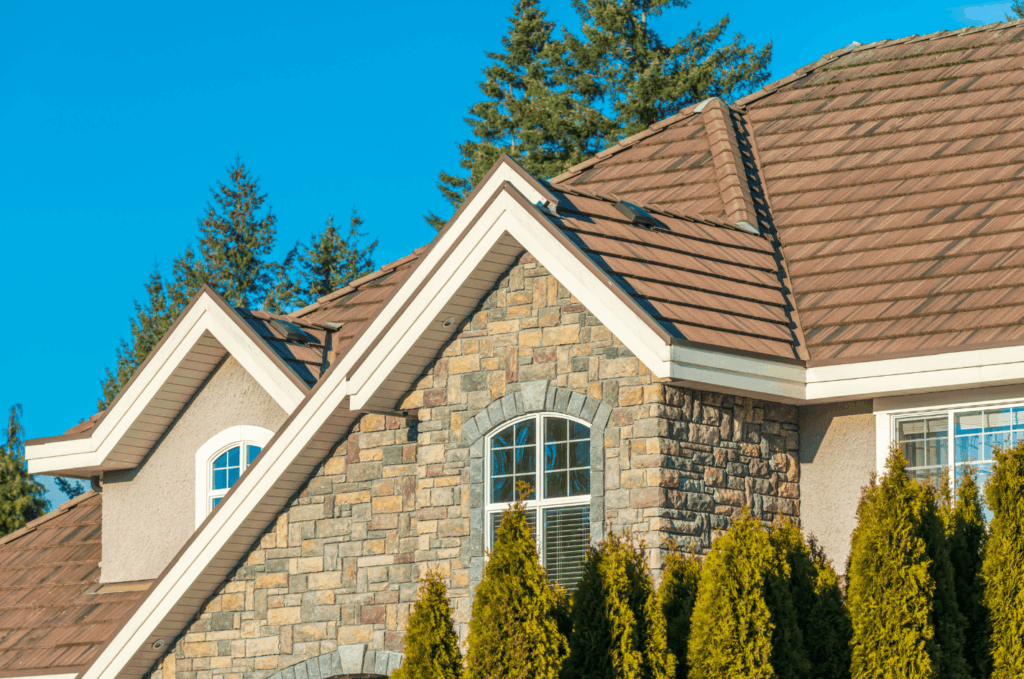
OneGuard Roofing provides comprehensive roof leakage repair throughout Boston and Greater Boston. Our licensed and insured team responds quickly when your roof is leaking and delivers lasting solutions that protect your home.
Don’t let roof leakage spread through your home causing escalating damage and increasing repair costs. Whether you’re dealing with roof leaks in heavy rain, roof leaking snow melting, or any other leak situation, prompt professional attention protects your property and your wallet.
Contact OneGuard Roofing to schedule your free drone roof inspection. Our team serves Boston and all surrounding communities including West Roxbury, Roslindale, Dorchester, Brookline, Newton, Cambridge, Lexington, Waltham, Wellesley, and Somerville. Get the expert roof leak fix your home needs and the peace of mind you deserve.