What to Do If a Tree Falls on a Roof? 5 Immediate Actions to Take
If a tree falls on a roof, take these 5 immediate actions: evacuate everyone including pets, call 911 if there’s…

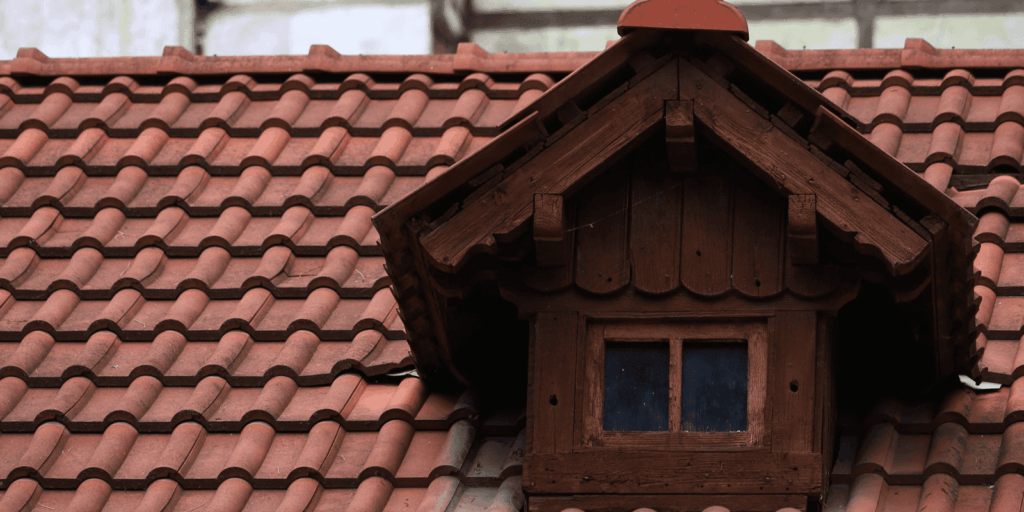
Tile roofing offers Boston homeowners exceptional durability, timeless elegance, and impressive 50-100 year lifespan, but this premium roofing materials choice requires careful consideration of climate challenges, structural requirements, and investment costs before committing to roof installation.
This comprehensive guide explores everything Boston homeowners need to know about tile roofing from material types and benefits to climate considerations. Whether you’re planning a new roof installation or considering tile roof replacement, we cover the costs, maintenance requirements, and practical factors that influence this important decision.
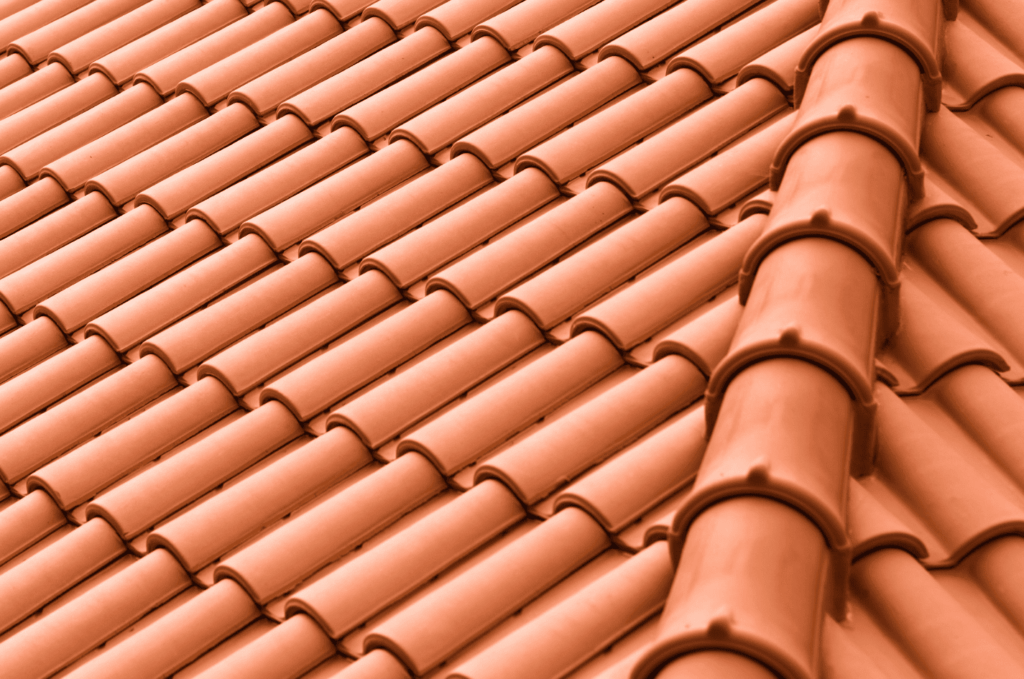
Tile roofing is a premium roofing system made from clay, concrete, or slate roofing materials formed into individual tiles that interlock to create a durable, weather-resistant covering, prized for centuries across Mediterranean, Spanish, and Southwestern architectural styles and increasingly popular in upscale Boston neighborhoods seeking distinctive curb appeal.
Common tile roof options include:
The pros of tile roofing include exceptional longevity lasting 50-100+ years, outstanding fire resistance with Class A rating, superior durability against wind and impact, excellent energy efficiency through natural thermal mass, and timeless aesthetic appeal that increases property value, making tile roof one of the most valuable roofing materials available.
Tile roofing outlasts virtually all other roofing materials. While asphalt shingles need roof replacement every 20-30 years, quality tile roof systems protect homes for 50-100+ years with proper maintenance. This extraordinary lifespan means tile roofing may be the last roof your home ever needs, transforming higher initial roof installation costs into exceptional lifetime value.
Tile roofing provides Class A fire resistance, the highest rating available. Tiles won’t burn, rot, or suffer insect damage. Quality tile roof systems withstand winds exceeding 150 mph when properly installed. This combination of fire safety and weather resistance makes tile roofing particularly attractive for homeowners prioritizing long-term protection.
Tile roofing offers natural thermal mass that regulates indoor temperatures. The air space beneath tiles creates insulating barriers. Light-colored tiles reflect solar heat, reducing cooling costs. These energy efficiency advantages compound over decades, contributing to tile roofing’s overall value proposition among premium roof replacement materials.
Tile roof systems deliver distinctive curb appeal unmatched by conventional roofing materials. Available in numerous colors, profiles, and styles from traditional barrel tiles to flat interlocking designs, tile roofing complements various architectural styles. This aesthetic distinction typically increases property values, with studies suggesting 5-10% value premiums for tile-roofed homes.
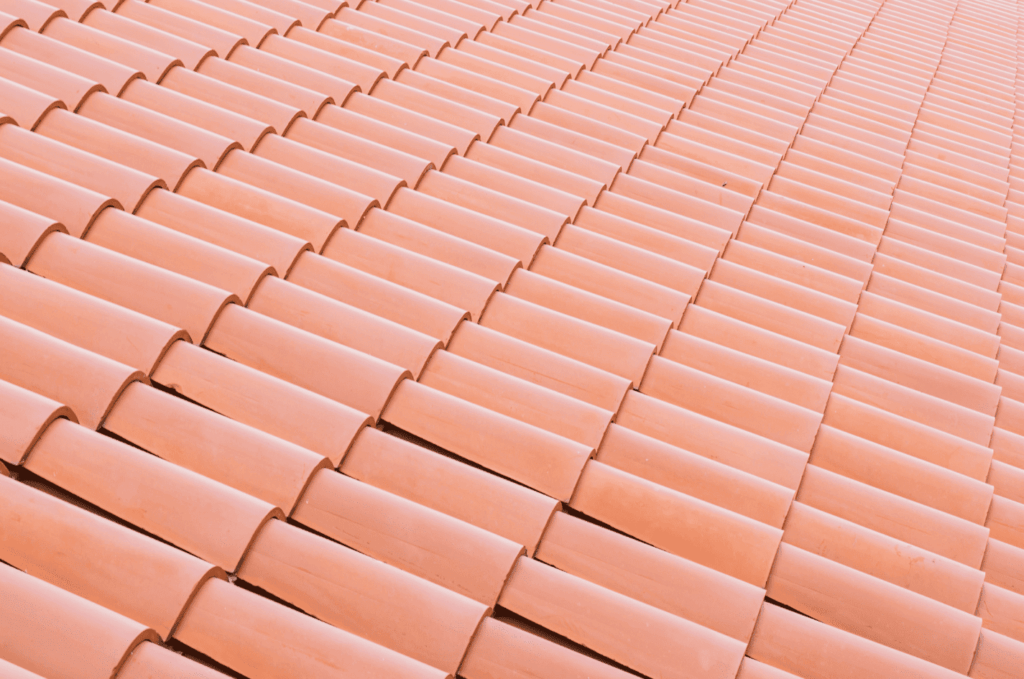
The cons of tile roofing include significant weight requiring structural verification or reinforcement, higher upfront costs than conventional roofing materials, fragility when walked upon, specialized roof repair requirements, and potential freeze-thaw vulnerability for certain clay tiles in Boston’s climate, important tile roof pros cons factors for New England homeowners.
Tile roofing weighs substantially more than other roofing materials, typically 600-1,100 pounds per square (100 sq ft) compared to 230-430 pounds for asphalt shingles. Many Boston homes, especially older properties, require structural evaluation and potentially reinforcement before tile roof installation. This additional requirement adds complexity and cost to projects.
Tile roofing costs significantly more than conventional alternatives. Roof installation with tile typically runs $15-$30+ per square foot installed, compared to $5-$10 for quality asphalt shingles. While lifetime value often favors tile, the initial investment represents a substantial commitment that not all budgets accommodate.
Individual tiles crack under foot traffic or heavy impact. Walking on tile roof surfaces requires specialized techniques to avoid damage. Roof repair for tile systems demands expertise many contractors lack, finding qualified professionals for tile work can prove challenging. Replacement tiles for older roofs may be difficult to source, complicating repairs.
Boston’s climate affects tile roofing through freeze-thaw cycling that can crack porous tiles, ice dam formation along eaves, heavy snow loads stressing structures, and temperature extremes causing expansion and contraction, making material selection and proper roof installation critical for tile roof success in New England.
Boston experiences approximately 100 freeze-thaw cycles annually. Porous clay tiles can absorb moisture that expands when frozen, potentially causing cracking and deterioration. Concrete tiles generally handle freeze-thaw cycling better than traditional clay. Selecting tiles specifically rated for freeze-thaw resistance is essential for Boston tile roofing success.
Heavy snow accumulation adds significant weight to already-heavy tile roof systems. Proper structural capacity becomes even more critical. Ice dams can form along eaves, potentially forcing water beneath tiles. Quality underlayment, proper ventilation, and ice and water shield installation during roof installation protect against these Boston-specific challenges.
For Boston’s climate, consider:
Tile roofing compares favorably to other roofing materials in longevity and durability but requires higher investment and structural consideration, offering 2-4 times the lifespan of asphalt shingles, similar durability to metal roofing with different aesthetics, and comparable performance to slate at potentially lower cost.
How tile roof compares:
Tile roofing is right for your Boston home if your structure can support the weight, your budget accommodates premium roofing materials, you plan to stay long-term to realize the value, and you appreciate distinctive aesthetics, but may not suit older homes without reinforcement or homeowners seeking lower initial investment.
Tile roofing works best for:
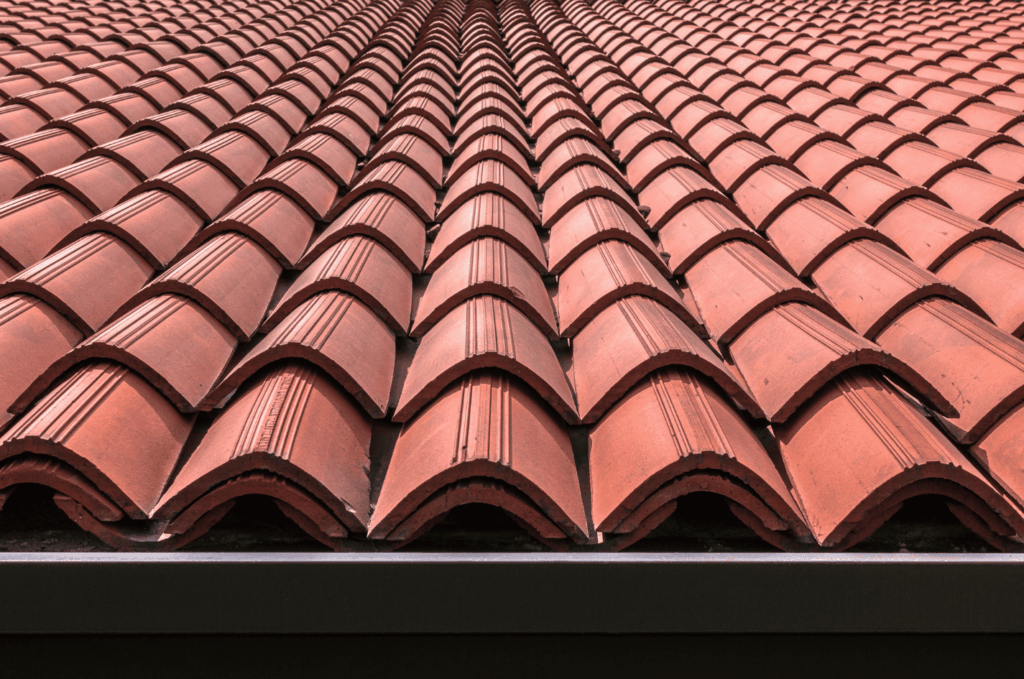
OneGuard Roofing helps Boston homeowners evaluate whether tile roofing suits their needs. Our 5-star rated team provides honest assessment of tile roof pros cons for your specific situation and delivers quality roof inspection across all roofing materials.
Our tile roofing services include:
Considering tile roofing for your Boston home? Our free drone inspection evaluates your roof’s current condition, assesses structural capacity for tile roof installation, and provides honest recommendations about whether tile or alternative roofing materials best suit your needs, budget, and goals.
Contact OneGuard Roofing to schedule your free consultation. We serve Boston, Cambridge, Brookline, Newton, Somerville, Quincy, and all Greater Boston communities. Discover whether tile roofing delivers the value, beauty, and protection your home deserves.