Emergency Roofing Services in Boston, MA: Urgent Response
Emergency roofing is the rapid response service that addresses urgent roof damage requiring immediate attention to prevent water intrusion, structural…

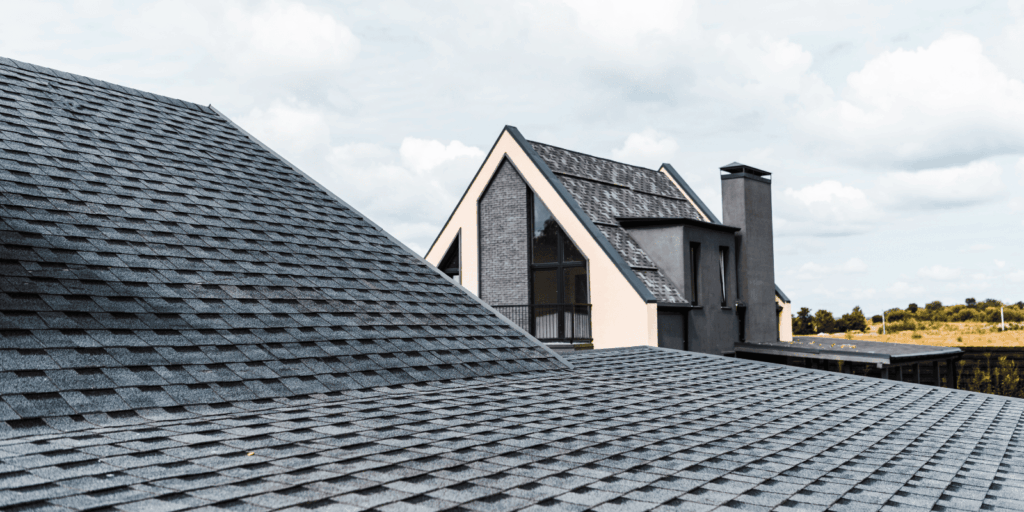
When deciding between roof overlay and tear-off replacement, the best choice depends on your existing roof’s condition, local building codes, and long-term goals. A roof overlay involves installing second layer shingles directly over your existing roof, while tear-off replacement removes everything down to the deck before new roof installation.
Both approaches achieve a new roof, but they differ significantly in cost, longevity, and suitability for different situations. Whether you need a budget-friendly roof replacement or want maximum longevity from your investment, understanding these options ensures you make the right choice for your home.
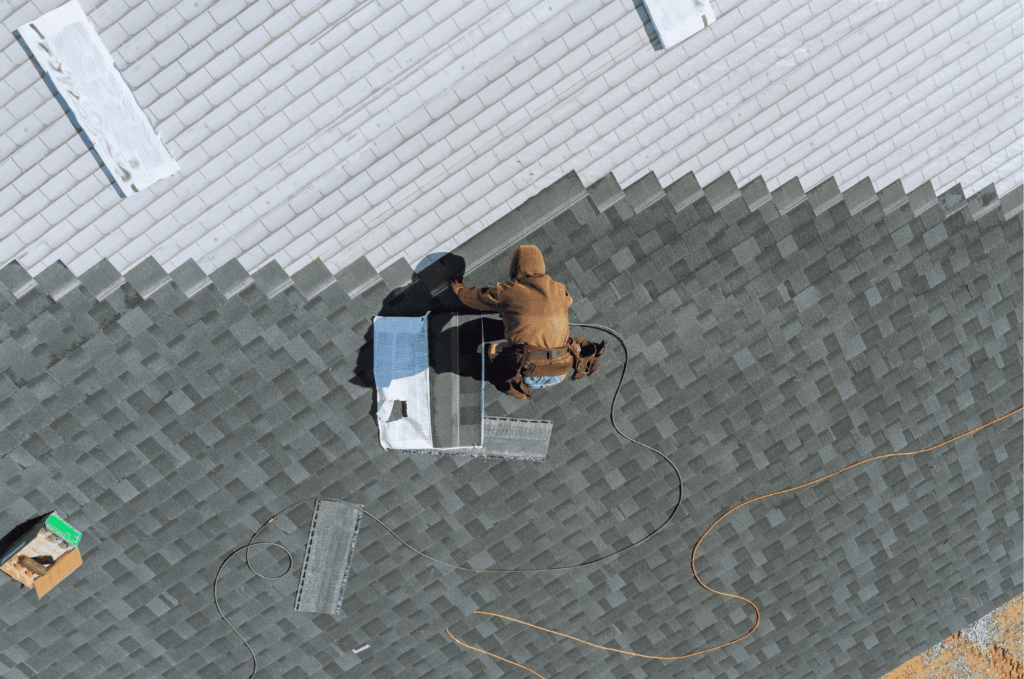
A roof overlay is a roof installation process where new shingles are installed directly on top of your existing roof without removing the old materials. This second layer shingles approach saves time and money by eliminating tear-off labor and disposal costs. Roof overlay is sometimes called reroofing or layover roofing.
How roof overlay works:
Massachusetts building code allows a maximum of two layers of asphalt shingles on a roof. If your home already has second layer shingles, a roof overlay is not an option, and you must proceed with tear-off replacement.
Tear-off replacement is a complete roof replacement where all existing roofing materials are removed down to the bare roof deck before new roof installation begins. This approach allows full inspection of the underlying structure and ensures a completely fresh start for your new roofing system.
The tear-off replacement process includes:
The advantages of roof overlay include lower cost, faster roof installation, and less disruption to your daily life. For homeowners on a tight budget or timeline, a roof overlay can provide a functional new roof surface at a significantly reduced price compared to tear-off replacement.
Roof overlay benefits:
The disadvantages of roof overlay include shorter roof lifespan, hidden damage risks, added weight on your structure, and potential warranty limitations. While the upfront savings are attractive, these drawbacks may cost more in the long run, which is why most roof replacement Boston professionals recommend tear-off for optimal results.
Roof overlay drawbacks:
Roof overlay is a good option when your existing roof has only one layer, the deck is in sound condition, shingles are lying flat without curling, and you need a budget-friendly solution. Certain situations make overlay a reasonable choice in the reroof vs replace decision.
Consider roof overlay when:
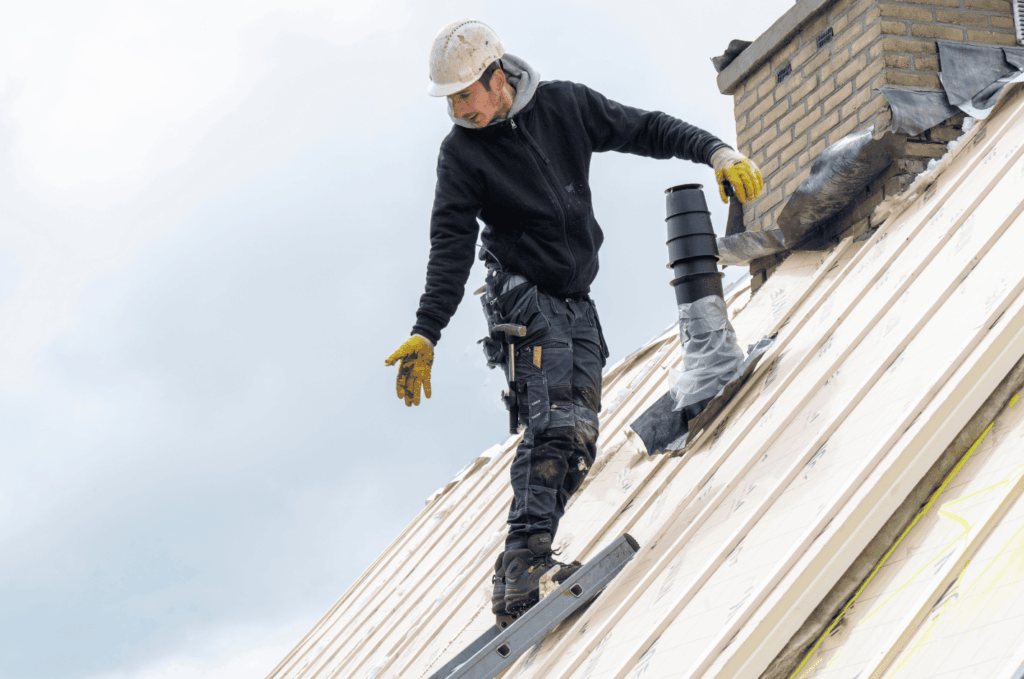
Tear-off roof replacement is required when your roof already has two layers, shows signs of deck damage, has severely curled or cupped shingles, or when you want maximum lifespan from your new roof installation. Many situations make tear-off the only appropriate choice to replace a roof properly.
Tear-off replacement is necessary when:
Roof overlay typically costs $4,000-$8,000 for an average Boston home, while tear-off replacement ranges from $8,000-$15,000 or more depending on roof size and roofing materials. The 20-30% savings from overlay must be weighed against reduced lifespan and potential hidden issues.
When comparing cost per year of service, tear-off replacement often delivers similar or better value despite higher upfront investment.
Boston building codes allow a maximum of two layers of asphalt shingles on residential roofs. If your home already has two layers, tear-off replacement is legally required before any new roof installation can proceed. Permits are typically required for roof replacement Boston projects regardless of which method you choose.
Massachusetts code requirements:
OneGuard Roofing helps Boston homeowners make informed decisions about roof overlay versus tear-off replacement. We provide honest assessments of your existing roof condition, roof repair and the option that truly makes sense for your situation, budget, and long-term plans.
We serve Boston, West Roxbury, Roslindale, Dorchester, Brookline, Newton, Cambridge, Lexington, Waltham, Wellesley, and Somerville with quality roof replacement you can trust.
The reroof vs replace decision significantly impacts your home’s protection and your wallet. While roof overlay offers attractive short-term savings, tear-off replacement typically provides better long-term value and peace of mind. The right choice depends on your specific roof condition, budget, and how long you plan to stay in your home.
Contact OneGuard Roofing to get honest advice about whether roof overlay or tear-off replacement is right for your Boston home.