
Fascia and Soffit Damage: How It Affects Your Roof and Gutters
Fascia is the vertical board along your roof edge that holds your gutters; soffit is the panel underneath that ventilates…
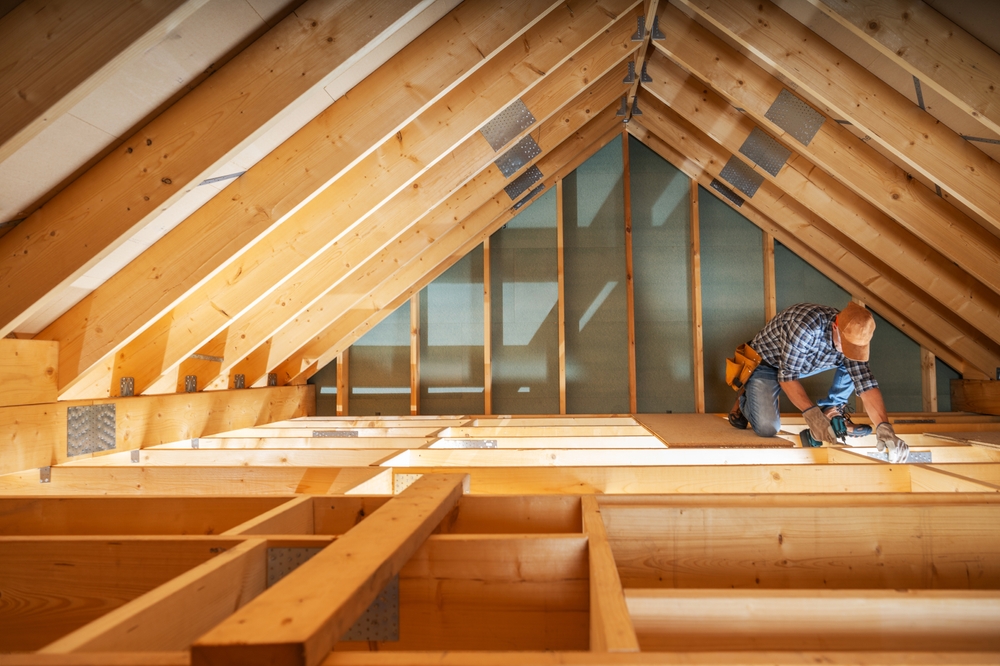
Have you ever wondered why your energy bills continue to rise despite using a modern HVAC system? The answer might be right above your head your roof. In Boston homes, roofing plays a major role in regulating indoor temperatures and energy use. Your roofing system can either support or sabotage your home’s energy efficiency, depending on factors like insulation, ventilation, and material selection.
In this blog, we’ll break down exactly how roofing services like installation, replacement, inspections, and skylight upgrades can transform your home’s comfort and cut your energy costs year-round.
The type of roofing material you choose significantly affects how much heat your home retains or releases. Poor insulation causes your HVAC to work harder, driving up energy costs.
Energy-efficient roofing materials include:
Upgrading to modern, energy-efficient roofing can significantly lower your heating and cooling expenses, especially in Boston’s four-season climate.
Proper ventilation allows heat and moisture to escape your attic, keeping your insulation dry and functional. Without it, hot air builds up in the summer and moisture collects in the winter, both of which degrade efficiency.
Benefits of proper roof ventilation:
If your attic feels like a sauna or your insulation is damp, it may be time for a ventilation upgrade.
Not all roofs are created equal. Consider these upgrades if you’re planning a replacement or renovation:
These options help reduce energy waste, maintain consistent indoor temperatures, and may even qualify for energy rebates.
Routine roof inspections are critical for spotting inefficiencies early. A small leak or poor flashing can compromise insulation, causing your HVAC system to work overtime.
Why roof inspections improve energy efficiency:
Schedule inspections at least twice a year, especially after Boston winters, to keep your energy bills under control.
Skylights aren’t just a design feature; they’re a natural light source that reduces your reliance on artificial lighting. Modern skylights also improve insulation when installed correctly.
Energy-efficient skylight features include:
Skylights offer passive solar heating in the winter and improved airflow in the summer, creating comfort without consuming extra energy.
Clogged or broken gutters can cause water to seep under shingles or into insulation. That moisture leads to mold, rot, and insulation failure, all of which reduce energy efficiency.
Well-maintained gutters help:
Regular cleaning and repairs help your roofing system function at peak performance.
Even the best roofing materials fail if installed improperly. Poor sealing, uneven insulation, and misaligned vents all compromise your home’s energy profile.
A professional roofing team will:
Proper installation means long-term performance and lower monthly utility bills.
When looking for roofing contractors, prioritize those with expertise in energy-efficient systems.
Look for companies that:
A knowledgeable team will evaluate your home’s needs and recommend upgrades that deliver lasting savings.
Your roof does more than keep the rain out. It holds the key to your home’s energy performance. Upgrades to your smart roofing can improve comfort and save utility costs by using energy-efficient materials and maximizing insulation and airflow.
Looking to improve your roof’s efficiency? Contact One Guard Roofing for a FREE inspection and energy-focused consultation today.
Schedule Your Free Roof Energy Audit
Metal roofs with reflective coatings or architectural shingles with energy-rated granules work well in Boston’s hot summers and cold winters.
If your attic is hot in the summer, cold in the winter, or has signs of mold or moisture, your roof likely has insulation or ventilation issues. One Guard Roofing can assess your roof’s efficiency and recommend targeted improvements to maximize insulation and airflow.
Yes. Homeowners can see a 10–20% reduction in energy bills by upgrading roofing materials and improving ventilation.
At least once a year, and after major storms. This helps prevent leaks and ensures insulation and vents are working properly.
Old or poorly installed skylights can cause drafts and leaks. Upgraded skylights with energy-rated glazing improve insulation and reduce lighting costs. One Guard Roofing offers expert skylight replacement and sealing services in Boston to ensure maximum comfort and energy performance.