Installing a Chimney Cricket in Lexington: Roof Installation
A chimney cricket is a small, peaked roof structure installed behind your chimney that splits water and snow to both…

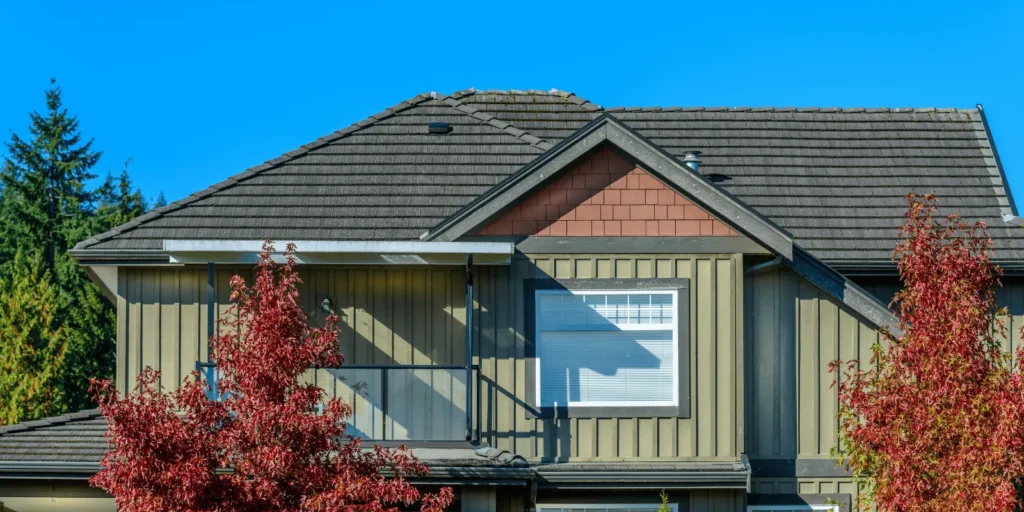
A complete roofing system has 9 layers: roof framing, decking, drip edge, ice and water shield, roof underlayment, starter shingles, field shingles, flashing, and ridge vents with caps. Each layer has a specific job. When all roofing layers work together, your roof protects your home for decades. Knowing these layers of a roof helps you make smart choices about roof installation, roof repair, and roof replacement.
Most homeowners see their roof as just shingles. That’s like saying a car is just paint. The visible shingles are only one part of a system built to keep water out of your home.
Your roof has multiple roofing layers, and each one has a job. Some provide structure. Others block water. Some manage airflow. When one layer fails, the whole roofing system suffers. This guide breaks down all 9 layers of a roof from bottom to top, so you understand exactly what protects your home, whether you’re planning roof installation or reading a roof inspection report.
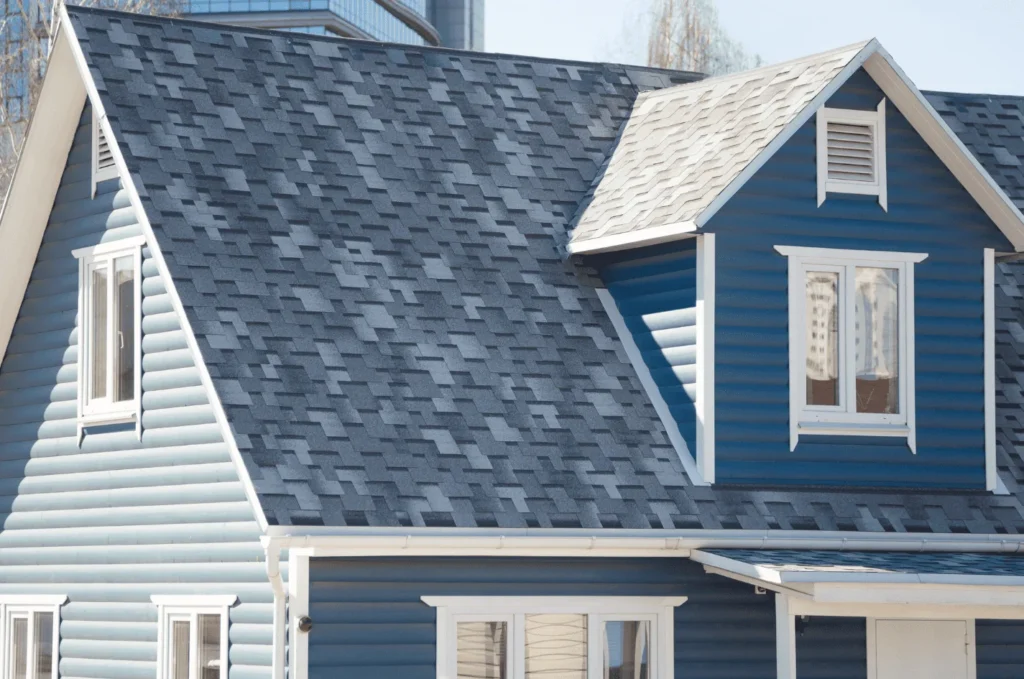
The 9 layers of a roofing system are:
1) roof framing
2) roof decking
3) drip edge
4) ice and water shield
5) roof underlayment
6) starter shingles
7) field shingles
8) flashing
9) ridge vents and caps
These roofing layers stack from bottom to top, with each layer overlapping the one below to shed water away from your home.
Think of roofing systems like armor. Each layer adds protection. Remove one, and the whole system becomes vulnerable. Here’s what each layer does.
Roof framing is the structural skeleton of your roof. It uses rafters or trusses to support every other layer and carry weight down to your walls and foundation. In Boston, framing must hold heavy snow loads that can exceed 30 pounds per square foot. Sagging rafters or rotted trusses are serious problems that must be fixed before any roof replacement.
Roof decking is the solid surface attached to the framing, usually 1/2 inch plywood or OSB. It bridges the gaps between rafters and gives shingles and underlayment a base to attach to. Water is decking’s worst enemy. When roof leaks go unnoticed, the wood swells and rots. During roof replacement, contractors inspect the decking and replace damaged sections, because new shingles over rotten decking will fail fast.
Drip edge is metal flashing along the roof edges that sends water into the gutters instead of behind them. Without it, water clings to the edge and wicks back against the fascia, causing rot. Massachusetts building code now requires drip edge on new roof installation. It goes under the underlayment at the eaves and over it at the rakes, so water always flows outward.
Ice and water shield is a self-adhering waterproof membrane that sticks to the roof decking and seals around nails. It protects areas where ice dams or wind-driven rain might force water under the shingles. This is one of the most important roofing layers for Boston homes.
Massachusetts code requires it at all eaves, extending 24 inches past the interior wall line. Quality roof installation also adds it in valleys and around chimneys and skylights. When a nail goes through, the rubberized asphalt seals around it. Regular felt paper can’t do that, which is why this layer matters so much in ice dam country.
Roof underlayment is important because it adds a second water barrier across the whole roof deck. If wind lifts a shingle or water sneaks past the surface, the underlayment stops it from reaching the wood. It’s your backup defense against leaks.
Modern roofing systems use synthetic underlayment instead of felt. It’s lighter, stronger, and more water resistant, and it gives workers better footing. Each row overlaps the one below by 2 to 4 inches, so water always runs down and off the roof.
Starter shingles are a special along the eaves. They create an adhesive seal line that locks down the first course of field shingles. Without them, wind can catch the bottom edge and peel shingles back. In Boston nor’easters with 50 to 70 mph winds, that’s a real risk, so this small layer makes a big difference.
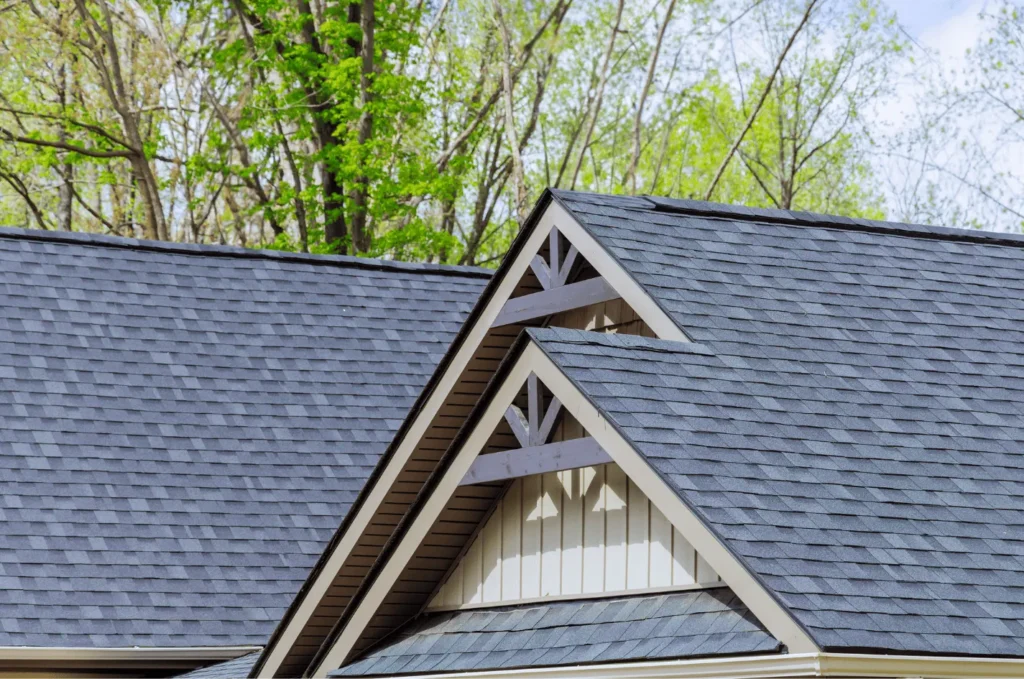
Field shingles are the main visible roofing material covering the large open areas between the eaves and ridge. This is what most people picture when they think of a roof. In most roofing systems they’re asphalt, though metal, tile, and slate are options too.
Architectural shingles cost more than flat three-tab shingles but last longer and resist wind better. Proper nailing is critical: each shingle needs 4 to 6 nails in the correct zone. Nails placed too high or too low compromise the whole system, which is why experienced roofing services Boston contractors nail every shingle correctly.
Flashing fits at every transition point in roofing layers: where the roof meets walls, around chimneys, at skylights, in valleys, and around vent pipes. This thin metal seals gaps that shingles alone cannot cover.
Most roof leaks trace back to flashing failures. Sealant dries out, metal corrodes, and temperature swings pull it loose. During any roof inspection, flashing deserves close attention, and during roof repair, replacing failed flashing often solves stubborn leaks.
Ridge vents are ventilation channels at the roof peak that let hot air and moisture escape the attic. Ridge caps are the shingles that cover them. Good ventilation prevents trapped summer heat from cooking shingles and stops winter warm air from melting snow and forming ice dams. Ridge vents work with soffit vents: cool air enters low, flows up, and exits at the ridge.
All roofing layers matter because each one provides protection no other layer can offer. Skip one or install it wrong, and the whole roofing system becomes vulnerable. Water finds the weak point, and damage spreads from there.
Say a contractor skips ice and water shield to save money. The first winter, ice dams push water under the shingles. The underlayment slows it but can’t stop standing water. Eventually the decking rots, and the damage reaches the framing. One missing layer led to damage across four. That’s why quality roofing services Boston homeowners trust never cut corners.
Ice dam protection: With about 100 freeze-thaw cycles a year, ice dams are a constant threat. Ice and water shield, good ventilation, and proper insulation must all work together.
Wind resistance: Nor’easters bring 50 to 70 mph winds. Correct nailing, starter shingles, and sealed ridge caps keep shingles in place during storms.
Snow load support: Boston averages 48 inches of snow yearly. Strong framing and secured decking carry that weight without sagging.
At OneGuard Roofing, we know a roof is only as strong as its weakest layer. Every roof installation includes all 9 roofing layers, installed correctly and inspected thoroughly.
What we offer:
Protect Your Home with a Complete Roofing System
Your roof isn’t just shingles. It’s a system of 9 connected roofing layers, each protecting your home in a specific way. Understanding these layers of a roof shows why quality roof installation matters and why cutting corners costs more later.
Contact OneGuard Roofing for a free roof inspection.