What to Do If a Tree Falls on a Roof? 5 Immediate Actions to Take
If a tree falls on a roof, take these 5 immediate actions: evacuate everyone including pets, call 911 if there’s…

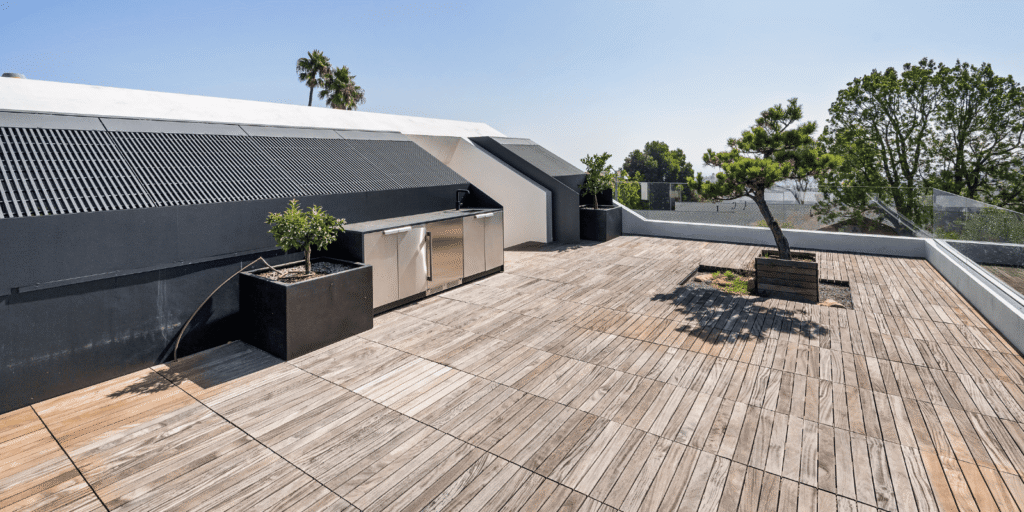
Roof deck installation is the process of attaching structural sheathing panels to roof rafters or trusses, creating the solid foundation that supports all other roofing components. Roof decking, also called roof sheathing, serves as the base layer between your home’s framing and the visible roofing materials like shingles, underlayment, and flashing. Without properly installed roof decking, even premium roofing materials cannot protect your home effectively because they need a stable, continuous surface to attach to and perform correctly.
This guide explains the complete roof deck installation process, the materials used, why deck condition matters for roof replacement and roof repair projects, and how to recognize when your decking needs attention.
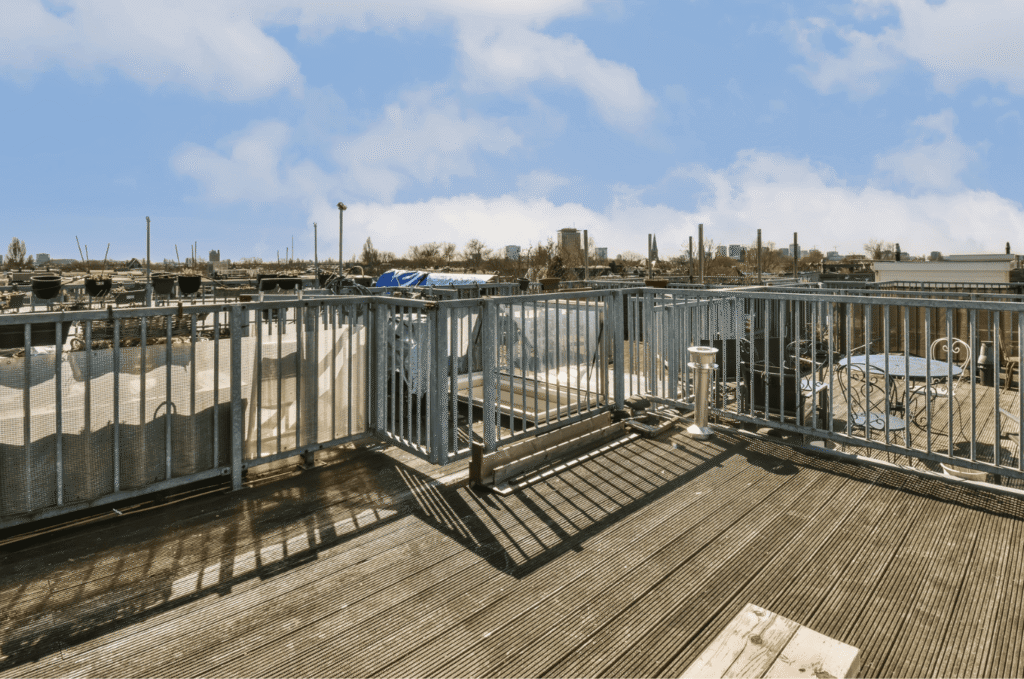
Roof decking is the layer of boards or sheet material fastened directly to your roof’s structural framing, creating a solid surface for all roofing materials to attach to. This critical component bridges the gaps between rafters or trusses, distributes weight loads across the structure, and provides the nail base for underlayment, flashing, and shingles. Without sound roof decking, your roofing system cannot function properly.
Roof decking serves multiple essential functions:
The most common materials used for new roof installation are plywood and oriented strand board (OSB), with each offering distinct advantages for different applications and budgets. Older homes may have solid wood plank decking that remains functional if properly maintained. Understanding these materials helps you evaluate options during roof replacement projects.
Plywood consists of thin wood layers (plies) glued together with grain directions alternating for strength. CDX plywood rated for exterior exposure is the standard choice for roofing applications.
OSB is manufactured from wood strands arranged in layers and bonded with resin under heat and pressure. It has become the most common roof decking material due to lower cost and consistent quality.
Roof decking is installed by laying panels perpendicular to rafters or trusses and fastening them with nails or screws in a specific pattern that ensures structural integrity. Proper roof deck installation requires attention to panel orientation, fastener spacing, gap allowances, and edge support to create a stable foundation for your roofing system.
Step-by-step roof deck installation process:
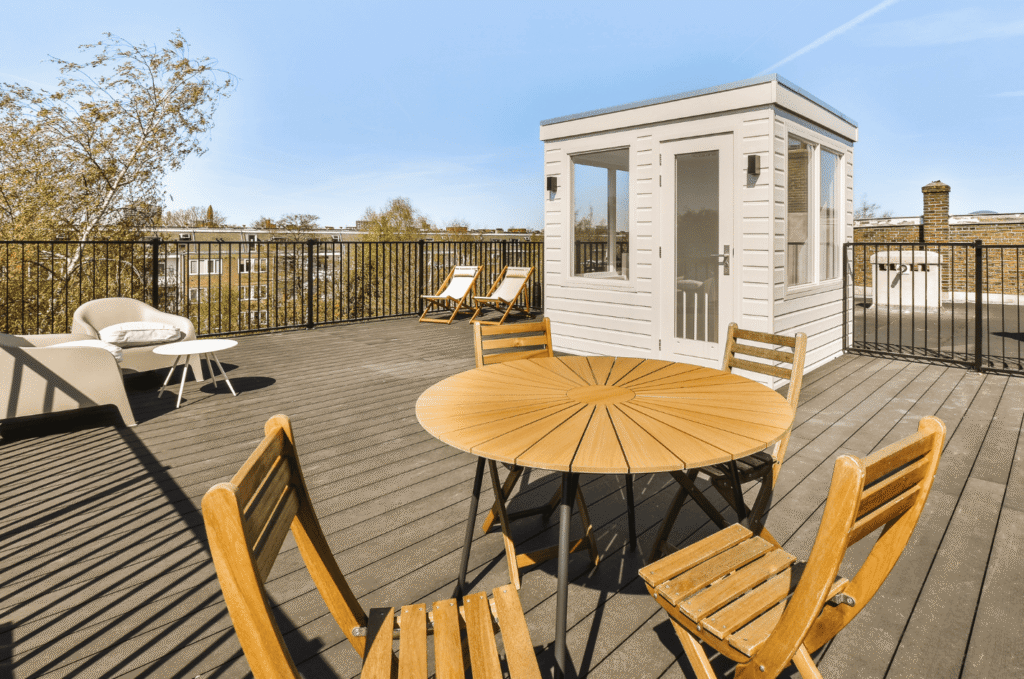
Roof decking condition matters because damaged or deteriorated decking cannot support roofing materials properly, leading to premature failure, leaks, and potentially dangerous structural weakness. Even the best shingles installed over compromised decking will fail because they depend on a solid foundation for proper nailing and performance.
Problems caused by damaged roof decking:
Signs of damaged roof decking include sagging between rafters, soft or spongy areas when walking on the roof, visible water stains in the attic, and wavy or uneven roofline visible from ground level. Recognizing these warning signs early allows for targeted roof repair before damage spreads to adjacent areas.
Roof decking should be replaced when it shows signs of rot, water damage, delamination, or structural weakness that prevents proper nail holding and support. During any roof replacement project, a professional roof inspection of the decking is essential because damage hidden beneath old shingles becomes visible only after tear-off.
Situations requiring decking replacement:
Most roof replacement projects require replacing some decking, with 1-10% of the deck being common for roofs with localized damage.
Boston roof installation projects face unique challenges that affect roof decking performance and longevity. Understanding local conditions helps homeowners make better decisions about materials and maintenance.
Ventilation Impact: Poor attic ventilation is common in older Boston homes and dramatically shortens roof decking lifespan. Trapped moisture from interior humidity condenses on cold decking in winter, promoting rot and mold. During boston roof installation, contractors should assess and correct ventilation deficiencies to protect new decking. Balanced soffit intake and ridge exhaust ventilation prevents moisture accumulation.
Historic Home Considerations: Boston traditional decking often remains serviceable if kept dry but may have gaps between boards that modern underlayments bridge. When planning to install a new roof on historic properties, contractors evaluate whether existing plank decking can be retained or should be overlaid with modern sheathing.
OneGuard Roofing provides thorough roof deck installation and overall roof replacement services as part of our comprehensive roofing work. Our experienced crews ensure your new roof has the solid foundation it needs for decades of reliable protection.
We serve Boston, Cambridge, Somerville, Brookline, Newton, Quincy, and all Greater Boston communities with expert roofing services. Let us ensure your home has the solid foundation it deserves.
Roof decking forms the critical foundation that makes all other roofing components work correctly. Understanding how roof deck installation works and why decking condition matters helps you make informed decisions about roof replacement and roof repair projects. Sound decking ensures your new roof performs as intended for its full expected lifespan.