Commercial Flat Roof Systems: TPO, EPDM and PVC Comparison 

Workers inspecting a commercial flat roof surface to check for damage and ensure proper drainage and safety

What are the best commercial flat roof systems? The three best commercial flat roof systems are TPO roofing, EPDM commercial roof (rubber roofing), and PVC roofing. TPO offers the best balance of cost and energy efficiency with a 20-30 year lifespan. EPDM provides proven durability and easy roof repair lasting 20-30 years. PVC delivers superior chemical resistance ideal for restaurants and industrial facilities with 25-30+ year longevity. 

This detailed comparison guide helps Boston building owners and property managers choose the right commercial flat roof for their needs. Understanding the differences between these flat roof systems enables informed decisions about roof installation, roof replacement, and long-term maintenance. As experienced roofing contractors Boston businesses trust, we explain each system’s strengths, limitations, and best applications.
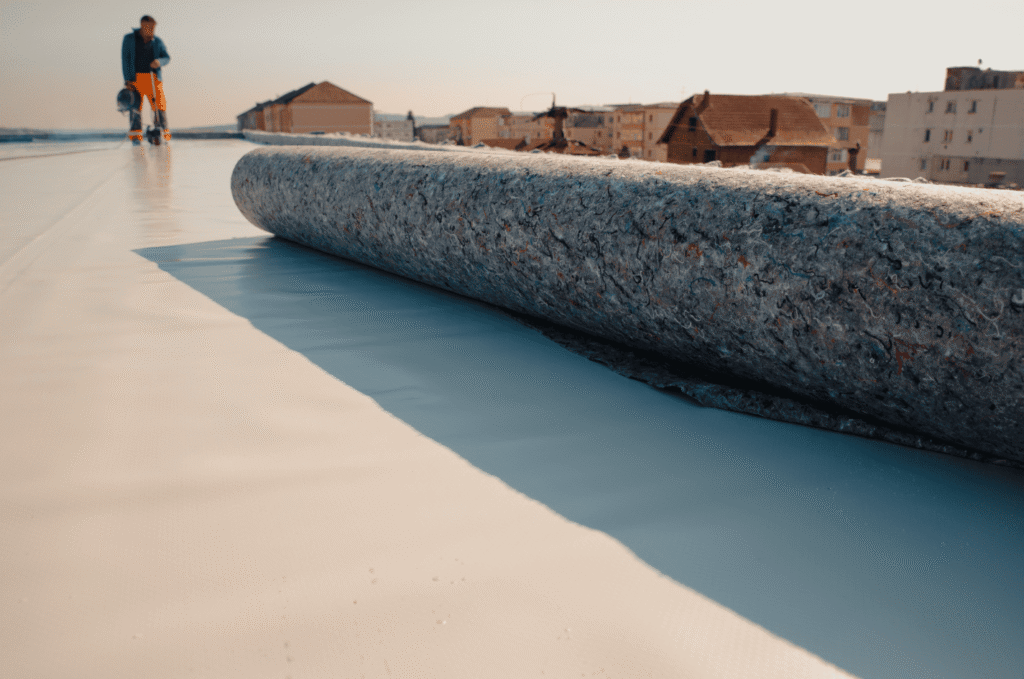
Worker installing waterproof material on a commercial flat roof to protect the building from leaks and weather damage

Quick Comparison at a Glance:

  • TPO: Best for energy efficiency, white reflective surface, heat-welded seams
  • EPDM: Best for budget and proven reliability, black rubber membrane, easy repairs
  • PVC: Best for chemical exposure, restaurants, superior fire resistance

What Is TPO Roofing?

TPO roofing (Thermoplastic Polyolefin) is a single-ply membrane that has become the most popular commercial flat roof choice over the past two decades. TPO combines the durability of rubber roofing with the energy-saving benefits of reflective white surfaces, making it ideal for Boston roofing services focused on performance and efficiency.

TPO Roofing Advantages

  • Energy efficiency: White surface reflects sunlight, reducing cooling costs 10-30%
  • Heat-welded seams: Stronger than adhesive or tape bonds used on other membranes
  • Flexibility: Accommodates building movement and thermal expansion
  • UV resistance: Withstands sun exposure without protective coatings
  • Cost-effective: Lower initial cost than PVC with similar performance
  • Environmentally friendly: Recyclable at end of life

TPO Roofing Limitations

  • Shorter track record: Less field history than EPDM or PVC
  • Quality variation: Formulations vary between manufacturers
  • Chemical sensitivity: Less resistant to oils and greases than PVC
  • Heat welding required: Demands skilled roof installation for proper seams

TPO Specifications and Costs

  • Lifespan: 20-30 years with proper maintenance
  • Thickness options: 45, 60, or 80 mil (thicker is better)
  • Installation cost: $6-$12 per square foot
  • Best for: Office buildings, retail, warehouses, energy-conscious owners

What Is EPDM Commercial Roof?

EPDM commercial roof (Ethylene Propylene Diene Monomer) is a synthetic rubber membrane that has protected commercial buildings for over 50 years. Often called rubber roofing, EPDM offers proven reliability and straightforward roof repair that makes it a trusted choice for roofing contractors for Boston commercial projects.

EPDM Commercial Roof Advantages

  • Proven longevity: 50+ year track record with documented performance
  • Lowest initial cost: Most affordable single-ply membrane option
  • Easy repairs: Simple patching with adhesive and membrane pieces
  • Cold weather flexibility: Remains pliable in extreme cold, ideal for Boston winters
  • Large sheet sizes: Fewer seams means fewer potential leak points
  • Hail resistance: Rubber absorbs impact without cracking

EPDM Commercial Roof Limitations

  • Dark color absorbs heat: Black EPDM increases cooling costs (white available at premium)
  • Seam vulnerability: Adhesive and tape seams weaker than welded joints
  • Puncture susceptibility: Can be damaged by foot traffic or dropped tools
  • Shrinkage potential: May shrink over time, stressing flashings

EPDM Specifications and Costs

  • Lifespan: 20-30 years with proper maintenance
  • Thickness options: 45, 60, or 90 mil
  • Installation cost: $5-$10 per square foot
  • Best for: Budget-conscious projects, cold climates, simple roof layouts

What Is PVC Roofing?

PVC roofing (Polyvinyl Chloride) is a premium single-ply membrane known for exceptional chemical resistance and durability. PVC provides the highest performance among commercial flat roof options, making it the preferred choice for demanding roof replacement applications where other flat roof systems may fail.

PVC Roofing Advantages

  • Chemical resistance: Withstands oils, greases, and restaurant exhaust
  • Superior fire rating: Self-extinguishing, meets strict fire codes
  • Heat-welded seams: Permanent watertight bonds stronger than membrane itself
  • Energy efficient: White reflective surface reduces cooling loads
  • Longest lifespan: Often exceeds 30 years in service
  • Proven track record: 40+ years of documented field performance

PVC Roofing Limitations

  • Higher cost: Most expensive single-ply option
  • Cold weather concerns: Can become brittle in extreme cold without proper formulation
  • Plasticizer migration: Lower-quality products may become brittle over time
  • Specialized repairs: Requires heat welding equipment for proper fixes

PVC Specifications and Costs

  • Lifespan: 25-30+ years with proper roof maintenance
  • Thickness options: 50, 60, or 80 mil
  • Installation cost: $7-$14 per square foot
  • Best for: Restaurants, food processing, chemical exposure, premium applications

TPO vs EPDM vs PVC: Which Is Best?

Choosing between TPO roofing, EPDM commercial roof, and PVC roofing depends on your building type, budget, and performance priorities. Each commercial flat roof system excels in different situations.

Choose TPO when:

  • Energy efficiency is a priority
  • Budget is moderate but you want premium features
  • Building is an office, retail, or warehouse without chemical exposure

Choose EPDM when:

  • Budget is the primary concern
  • Roof has simple geometry with few penetrations
  • Easy future repairs are important

Choose PVC when:

  • Building houses restaurant or food service operations
  • Chemical exposure from manufacturing or processing
  • Maximum lifespan and durability justify higher cost
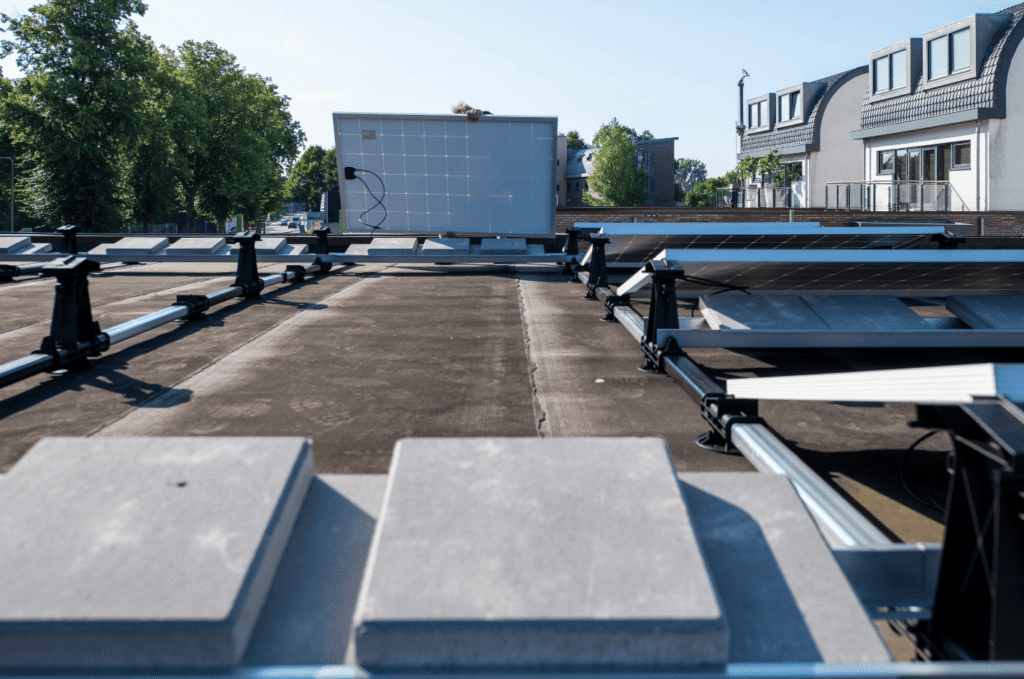
Commercial flat roof with solar panel supports and protective blocks installed to keep equipment stable and secure

Commercial Flat Roof Considerations for Boston

Boston’s climate significantly impacts commercial flat roof performance and should influence your system selection. Working with experienced boston roofing services providers ensures your roof handles local conditions effectively.

Restaurant and Food Service Needs: Boston’s thriving restaurant scene means many commercial buildings house food service operations. Kitchen exhaust deposits oils and greases on roofs that destroy EPDM and degrade TPO over time. PVC roofing is essential for any building with commercial kitchen ventilation, protecting your investment from accelerated chemical deterioration.

How Are Commercial Flat Roof Systems Installed?

Professional roof installation follows a systematic process regardless of membrane type. Quality installation by certified roofing contractors Boston businesses rely on ensures maximum performance and warranty coverage.

Installation steps include:

  1. Roof inspection: Assess existing conditions and deck integrity
  2. Tear-off or preparation: Remove old materials or prepare for overlay
  3. Deck repairs: Fix damaged sheathing or structural issues
  4. Insulation installation: Apply rigid insulation to meet energy codes
  5. Membrane application: Adhere, mechanically fasten, or ballast membrane
  6. Seam welding or sealing: Create watertight joints between sheets
  7. Flashing and details: Waterproof all penetrations and edges

The final roof inspection step is quality check and documentation.
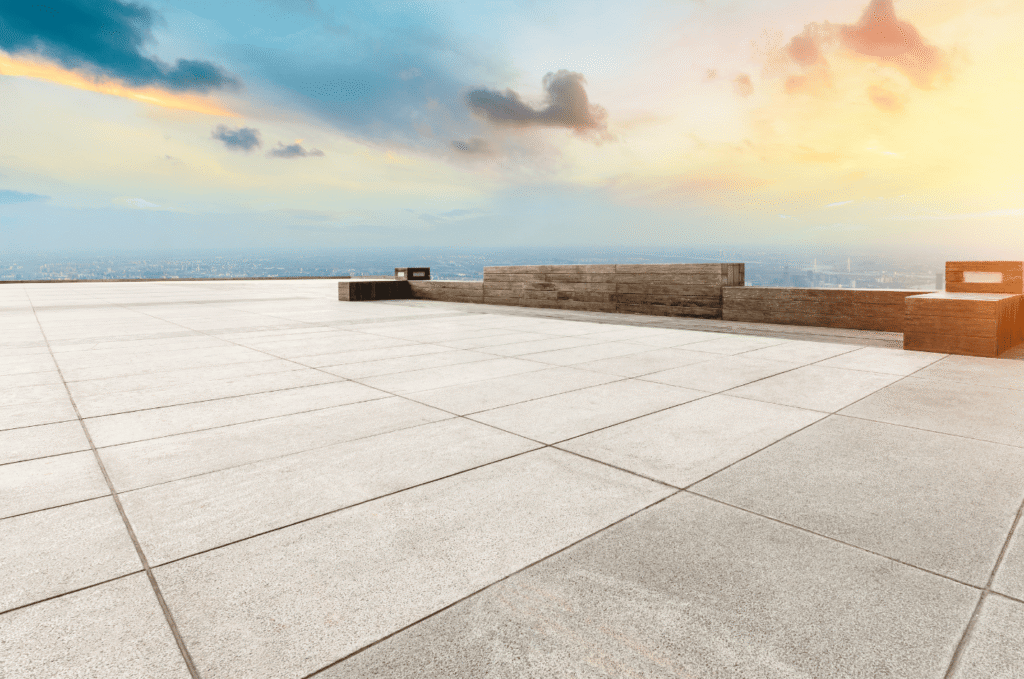
Wide commercial flat roof with clean surface and open space, designed for durability and easy maintenance access

Oneguard Roofing Commercial Flat Roof Experts

Oneguard Roofing provides expert commercial flat roof services throughout Greater Boston. Our certified team installs, repairs, and maintains all flat roof systems, helping building owners choose the right membrane for their specific needs.

Choose the Right Commercial Flat Roof System

Selecting the right commercial flat roof system protects your building investment for decades. TPO roofing, EPDM commercial roof, and PVC roofing each offer distinct advantages that match different building needs and budgets. Understanding these differences helps you make confident decisions about roof installation and roof replacement that deliver lasting value.

Contact Oneguard Roofing to schedule your first commercial roof installation.