Installing a Chimney Cricket in Lexington: Roof Installation
A chimney cricket is a small, peaked roof structure installed behind your chimney that splits water and snow to both…

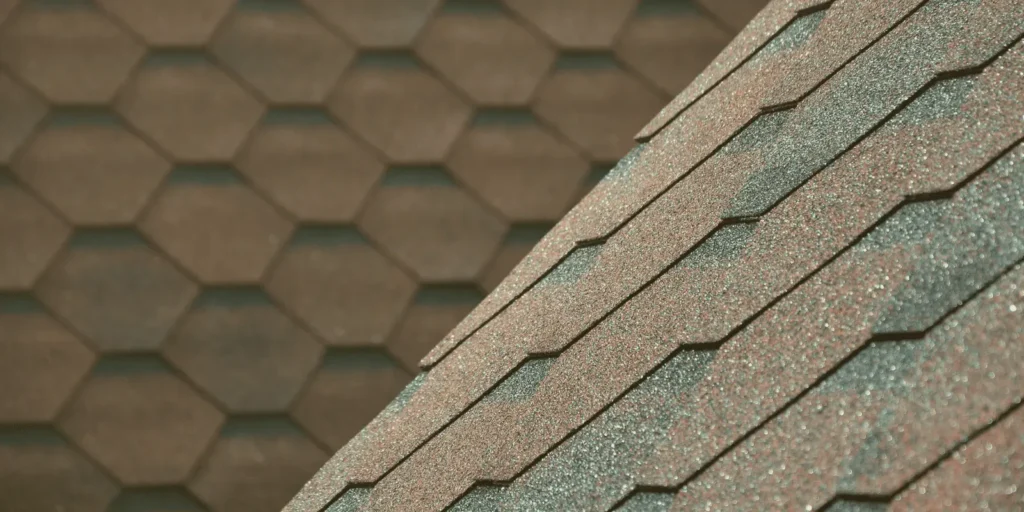
When shingles fail shortly after roof installation, the cause is usually improper nailing, poor quality materials, inadequate sealing in cold weather, or high wind exposure. These shingle problems can void your warranty and lead to costly water damage. If you notice loose or missing shingles on a new roof, contact a qualified roofing contractor immediately for roof inspection and asphalt shingle repair before problems worsen.
Shingles fail for specific reasons. When they fell off shortly after shingle installation, something went wrong during the process. Once you understand why shingles fail, you can take action to fix the problem and protect your home.
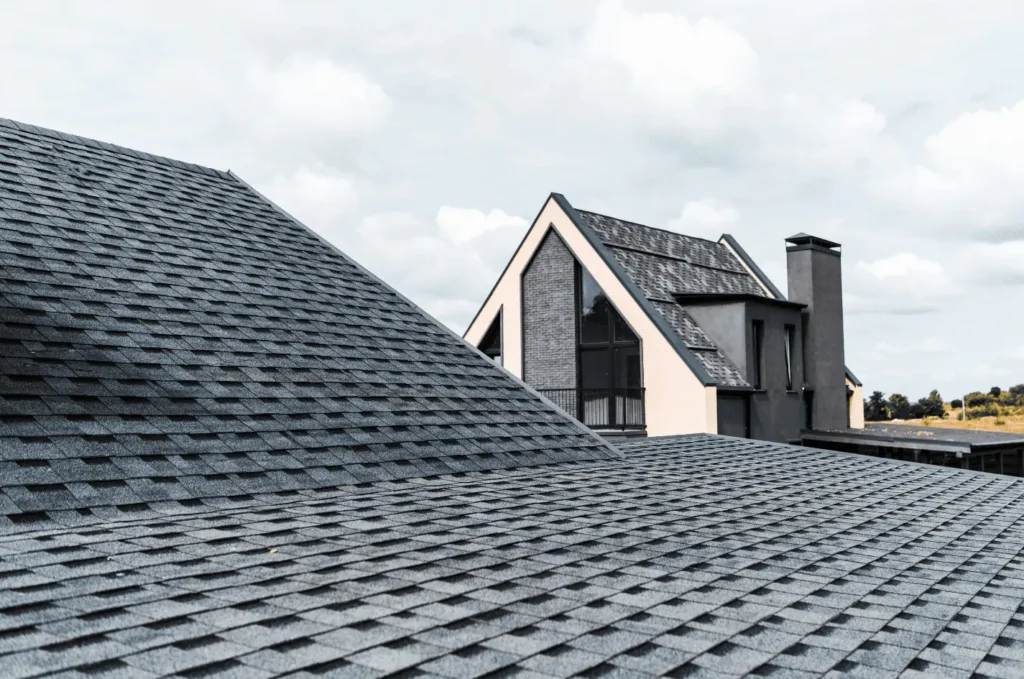
Shingles fall off new roofs due to improper nailing (wrong placement, angle, or quantity), installation during cold weather when adhesive strips can’t seal, defective shingle batches, high wind exposure before sealing occurs, and inadequate underlayment. Any of these issues can cause shingles to fail within days, weeks, or months of roof installation.
Let’s break down each cause so you understand exactly what might have happened on your roof.
The most common reasons shingles fail early:
Improper nailing causes shingle problems because each shingle has a specific “nailing zone” where fasteners must go. Nails placed too high miss the underlying shingle’s reinforcement. Nails placed too low or at angles don’t grip properly. Both situations let wind lift and remove shingles, even on brand new roofs.
Nailing might seem simple. It’s not. Professional shingle installation requires placing four to six nails per shingle in the exact right spots. The nails must penetrate straight through both the new shingle and the top edge of the shingle below. This creates a layered, wind-resistant system.
When contractors rush or use pneumatic nail guns incorrectly, mistakes happen. The nails go in crooked. They miss the nailing zone. They don’t sink deep enough, or they sink too deep and tear through the shingle. Any of these errors creates weak points where wind can catch and tear shingles away.
This is why the best roofers in Boston take their time. Quality shingle installation requires attention to every single nail. It’s also why you should always get a roof inspection if shingles start falling off.
Asphalt shingles have adhesive strips on the underside. These strips need heat from the sun to activate and bond each shingle to the one below. This creates a sealed, wind-resistant surface. In Boston, that heat often comes from warm spring, summer, or fall days after installation.
The problem? If shingles are installed in Boston during cold weather (below 40 degrees), the adhesive strips may never seal properly. The shingles just sit on the roof without bonding. The first strong wind lifts them off.
Professional contractors know how to handle this. They either wait for warmer weather or hand seal each shingle with roofing cement. Hand sealing adds time and cost, but it prevents the shingles fail scenario that happens when adhesive strips don’t activate.
If your roof was installed during a Boston winter without hand sealing, that may explain your shingle problems.
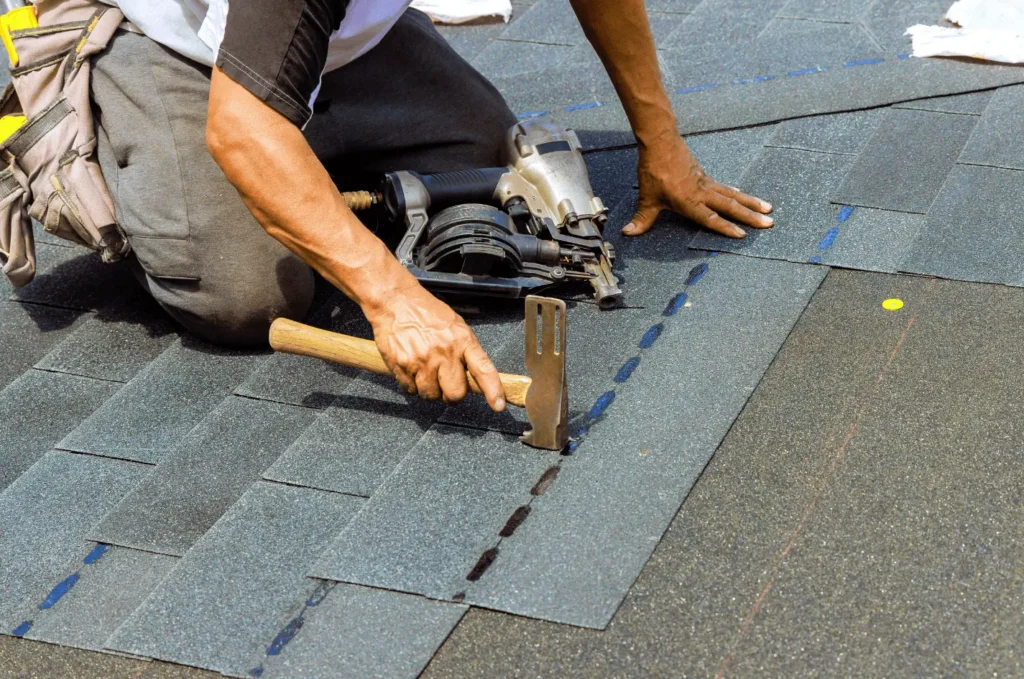
Yes, wind can damage new shingles before they seal. Shingles typically need several warm, sunny days for adhesive strips to fully bond. If a storm with strong winds hits before sealing occurs, the wind can lift and tear off shingles that would have stayed secure once properly bonded.
Schedule roof installation during stable weather. Check the forecast for the week following installation. If a major storm is coming, discuss timing with your contractor. Sometimes waiting a few days saves a lot of headaches.
If storm damage occurs before sealing, document everything and contact your contractor. Many reputable roofing service Boston companies will help you file an insurance claim for storm damage.
Signs of defective shingles include premature cracking, curling at edges, excessive granule loss, color inconsistency across the roof, and multiple shingles failing in random patterns across the roof surface. If many shingles fail at once in different areas, the shingle batch itself may be defective.
Manufacturing defects are rare but they happen. A bad batch of asphalt, inconsistent adhesive application, or quality control failures can produce shingles that look fine but fail quickly.
Red flags that suggest defective shingles:
If you suspect defective shingles, save any that have fallen. Document everything with photos. Contact both your contractor and the shingle manufacturer. Manufacturer warranties typically cover defects, but you’ll need evidence.
If shingles are falling off your new roof, you should document the damage with photos, collect fallen shingles, contact your roofing contractor immediately, and schedule a professional roof inspection. Acting quickly protects your warranty rights and prevents water damage from exposed areas.
Step-by-step action plan:
Don’t wait. An exposed roof deck can suffer water damage quickly. The longer you wait, the more extensive and expensive the asphalt shingle repair becomes.
Prevention starts with hiring the right contractor. The best roofers in Boston take pride in proper installation. They follow manufacturer specifications exactly. They use the right roof underlayment and number of nails in the right places. They know when hand sealing is necessary.
How to avoid shingle problems on your next roof:
Boston’s climate is tough on roofs. Our unique weather patterns create specific challenges that can cause shingles fail if installation isn’t done right.
Extreme Temperature Swings: Boston experiences about 100 freeze-thaw cycles each year. Temperatures can swing 40 degrees in a single day. This constant expansion and contraction stresses shingles and can worsen any installation defects. Shingles that might last fine in stable climates may fail here if not installed perfectly.
Nor’easter Wind Exposure: Multiple nor’easters each year bring sustained winds of 50 to 70 mph. These storms test every shingle on your roof. Proper nailing patterns and full adhesive sealing aren’t optional in Boston. They’re essential. Contractors who cut corners leave roofs vulnerable to the next big storm.
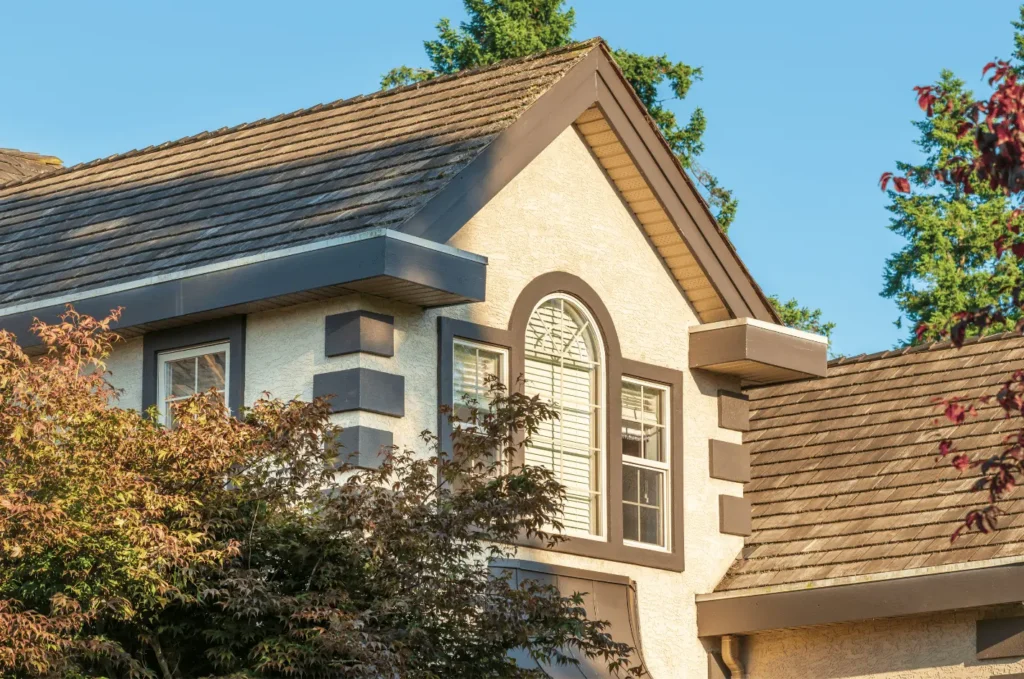
At OneGuard Roofing, we understand that shingle problems often trace back to installation shortcuts. That’s why we never cut corners. Every shingle goes on right, with proper nailing, appropriate sealing, and attention to detail.
What sets us apart:
When shingles fail after installation, you need answers and solutions. The problem won’t fix itself. Every storm brings the risk of more damage and water intrusion.
Contact OneGuard Roofing for a free roof inspection.