How Soffit Vents Stop Roof Moisture Problems in Lincoln
Soffit vents are the intake half of your roof’s ventilation system, pulling cool, fresh air into the attic at the…

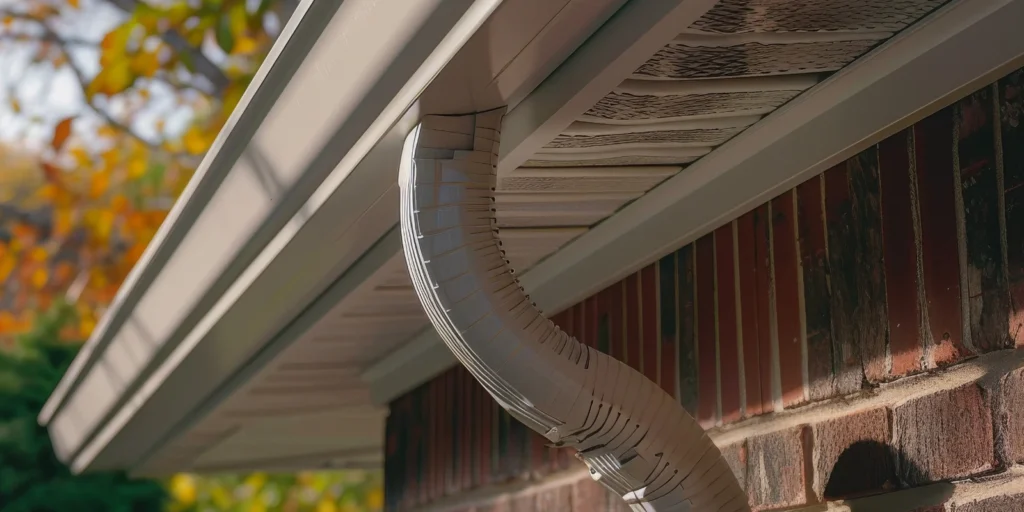
Soffit vents are the intake half of your roof’s ventilation system, pulling cool, fresh air into the attic at the eaves so warm, moist air can escape through the ridge. This constant airflow keeps your attic dry, preventing the condensation, mold, wood rot, and ice dams that plague Lincoln homes. Soffit vents only work when paired with balanced exhaust vents up top, and when insulation isn’t blocking them.
This guide explains how soffit vents actually work, why they’re the key to stopping roof moisture, the warning signs that yours are failing, and what proper ventilation looks like for a Lincoln home.
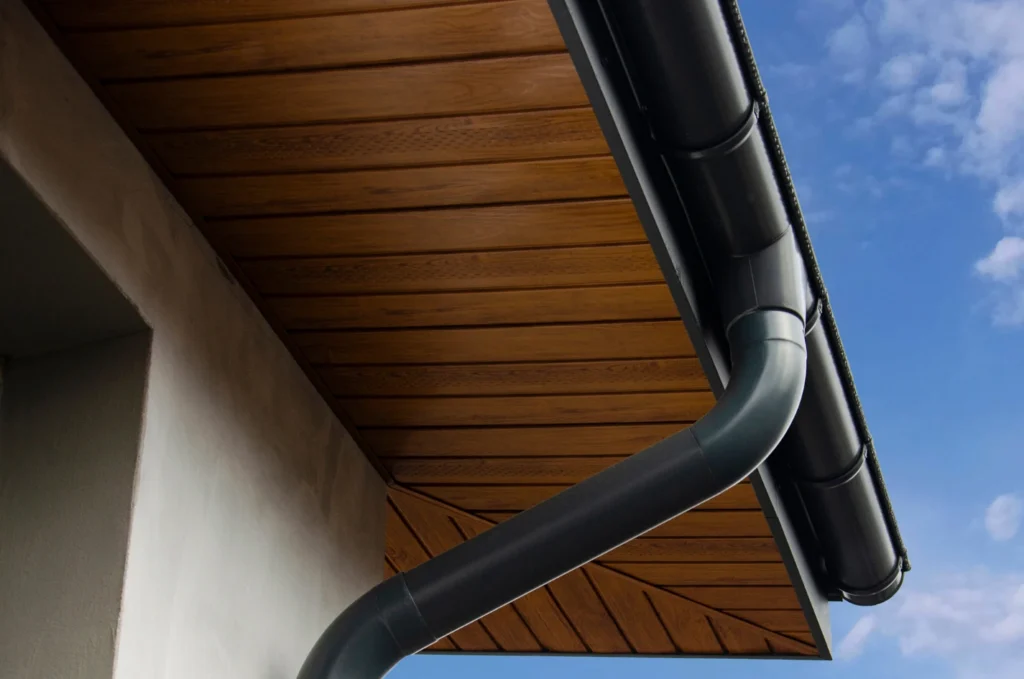
Soffit vents are intake openings installed on the underside of your roof’s overhang, the soffit, that let fresh outdoor air flow into your attic. They appear as perforated panels or small slots along the eaves, usually made of vinyl, aluminum, or wood, and they blend right into the roofline. Their whole job is to bring air in at the lowest point of the roof.
On their own, soffit vents are only half a system. They’re the intake, and they need a matching exhaust, usually ridge or gable vents near the peak, to actually move air. Think of them as the mouth that breathes in, while the ridge vents breathe out. One without the other doesn’t work, which is a detail many homes get wrong.
Soffit vents work through natural convection, the simple fact that hot air rises. Cool outside air enters low through the soffit vents, warms up inside the attic, rises to the peak, and escapes through the exhaust vents, pulling more fresh air in behind it. This creates a continuous loop of airflow that runs 24 hours a day with no power and no moving parts.
The engine is elegant in its simplicity. As hot air flows out the top, it creates a slight negative pressure that draws cool air in through the soffits, and the cycle feeds itself endlessly. But it only runs if both halves are present and balanced. Ridge vents with no soffit vents have no air to pull; soffit vents with no ridge vents let air in with nowhere for it to go. Balance is everything.
Soffit vents stop roof moisture problems by constantly flushing warm, humid air out of the attic before it can condense. Your home generates a surprising amount of moisture from cooking, showers, and laundry, and that damp air rises into the attic. Without ventilation, it gets trapped, cools against the roof deck, and turns to water, feeding mold, rot, and roof condensation. Soffit vents keep that air moving so it never gets the chance to settle.
The payoff shows up in the lifespan of your roof. Trapped heat and moisture are two of the biggest causes of premature roof failure, and a well-vented attic can extend shingle life by 20 to 30 percent. That’s also why many shingle manufacturers require proper attic ventilation, without it, they may void the warranty. Soffit ventilation isn’t a nice-to-have; it’s roof protection.
Yes, soffit vents are one of the best defenses against ice dams, a serious winter threat in Lincoln. Ice dams form when heat escaping into the attic melts snow on the upper roof, which then refreezes at the cold eaves and backs water up under the shingles. By keeping the attic cold and evenly ventilated, soffit vents minimize that melting, so snow melts uniformly and drains instead of freezing at the edge.
This is why ventilation matters year-round, not just in summer. In the cold months, soffit vents keep the roof deck close to the outside temperature, which is exactly what prevents the melt-refreeze cycle behind ice dams. In a snowy New England winter, that difference can save you from roof leaks, damaged gutters, and interior water stains.
The signs of failing soffit ventilation almost always involve heat or moisture that has nowhere to go. Damp insulation, musty smells, mold, and ceiling stains all point to trapped moisture, while a scorching attic and high energy bills point to trapped heat. Catching these early can save you from a large roof repair.
Warning signs worth checking for:
Soffit vents most often fail because of blockage or imbalance, not because the vents themselves wear out. The single most common problem is insulation pushed into the eaves, covering the vents from inside and choking off the airflow. The second is an unbalanced system, where intake and exhaust don’t match, so the air simply stalls.
Getting the balance right takes some know-how. A common guideline is one square foot of total ventilation for every 300 square feet of attic space, split evenly between intake at the soffits and exhaust at the ridge. Baffles help keep insulation from smothering the vents, and proper vent sizing keeps the air flowing. These are the details a professional gets right and a rushed job gets wrong, which is why ventilation problems are so common in older homes.
Lincoln’s climate makes soffit ventilation especially important, since our seasons test both halves of the problem, heat and moisture. As a local roofing company in Lincoln, MA, we see these issues constantly.
Winter ice dams: With roughly 100 freeze-thaw cycles a year, poor ventilation drives the melt-refreeze cycle that forms ice dams and pushes water under shingles.
Winter condensation: Cold Lincoln winters create a big temperature gap between warm indoor air and the cold roof deck, so trapped moisture condenses fast without soffit airflow.
Older homes: Many Lincoln homes were built before modern ventilation standards, so blocked or missing soffit vents are a frequent find during a roof inspection Lincoln homeowners schedule with us.
At OneGuard Roofing, we treat ventilation as part of the roof, because a roof that can’t breathe won’t last. We check whether your soffit vents are open, balanced, and doing their job, then fix what isn’t. Honest work, done right.
How we help:
Your soffit vents may be small and easy to ignore, but they run the quiet engine that keeps your entire roof dry. By pulling fresh air in at the eaves, they stop the trapped moisture that causes condensation, mold, rot, and ice dams. Paired with balanced exhaust and kept clear of insulation, they protect your home 24 hours a day, for free.
If you’re seeing damp insulation, musty smells, or ice dams each winter, your attic may be telling you it can’t breathe. That’s a fixable problem, and catching it early saves you from the far costlier damage that trapped moisture eventually brings.
Contact us today and let your roof breathe again.