What to Do If a Tree Falls on a Roof? 5 Immediate Actions to Take
If a tree falls on a roof, take these 5 immediate actions: evacuate everyone including pets, call 911 if there’s…

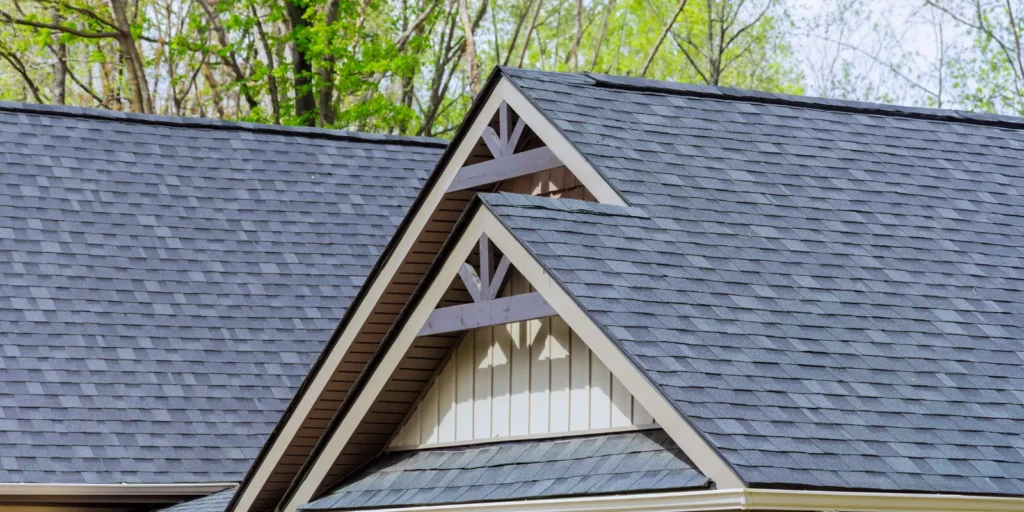
To clean a roof safely, you should use low-pressure water or soft washing techniques with appropriate cleaning solutions, avoid walking on wet surfaces, wear proper safety equipment, and never use high-pressure washers that strip protective granules from shingles. Understanding how to clean a roof properly is essential for roof maintenance because improper cleaning methods can cause more damage than the debris, moss, or algae you are trying to remove.
We cover safe roof cleaning methods, what products to use and avoid, when to clean a roof yourself versus calling professional roof cleaning services, and how proper cleaning fits into your overall roof maintenance program. Whether you have asphalt shingles, metal roofing, or flat roof systems, these principles will help you maintain your roof’s appearance and performance.
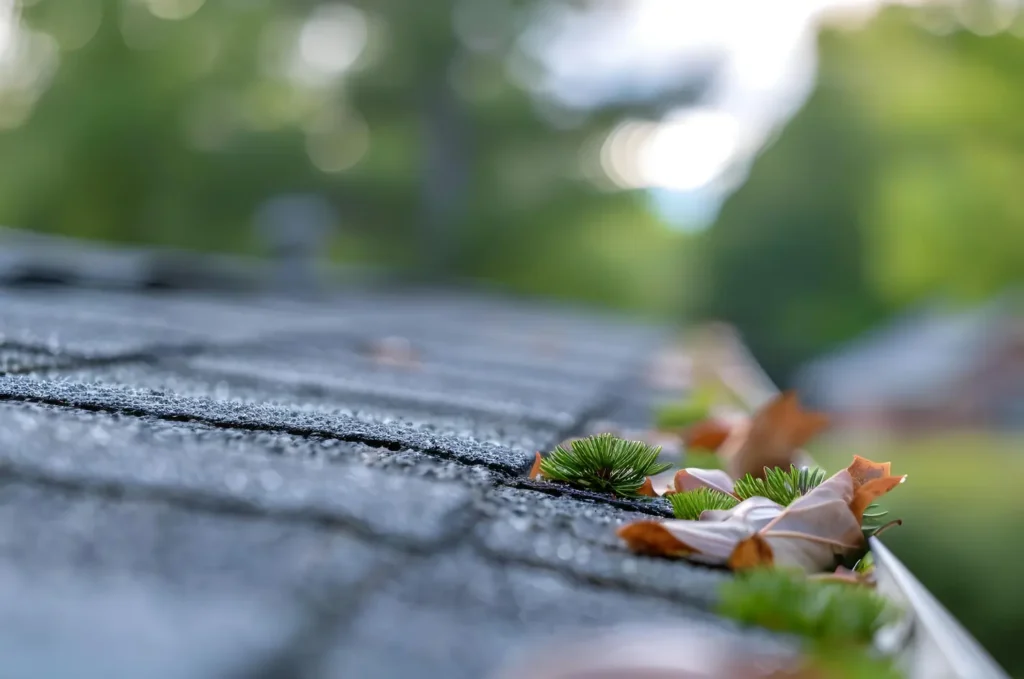
You should clean a roof to remove debris, moss, algae, and lichen that can damage roofing materials, trap moisture, and shorten your roof’s lifespan. Regular roof cleaning is an important part of roof maintenance that prevents organic growth from lifting shingles, causing leaks, and creating conditions that accelerate deterioration.
Benefits of regular roof cleaning:
Safe roof cleaning methods include soft washing with low-pressure application of cleaning solutions, gentle rinsing with garden hose pressure, and manual removal of debris with soft tools. These methods effectively clean shingles without damaging shingles, stripping granules, or voiding your warranty.
Soft washing is the safest and most effective way to clean a roof because it uses cleaning solutions to kill moss, algae, and lichen rather than relying on damaging water pressure. This method is recommended by shingle manufacturers and professional roofing services.
Low-pressure rinsing with a standard garden hose is safe for removing loose debris, pollen, and light dirt from your roof. This method works well for routine cleaning when heavy moss or algae growth is not present.
Manual cleaning involves physically removing debris like leaves, branches, and loose moss using soft tools. This method requires roof access but avoids any risk of water damage to roofing materials.
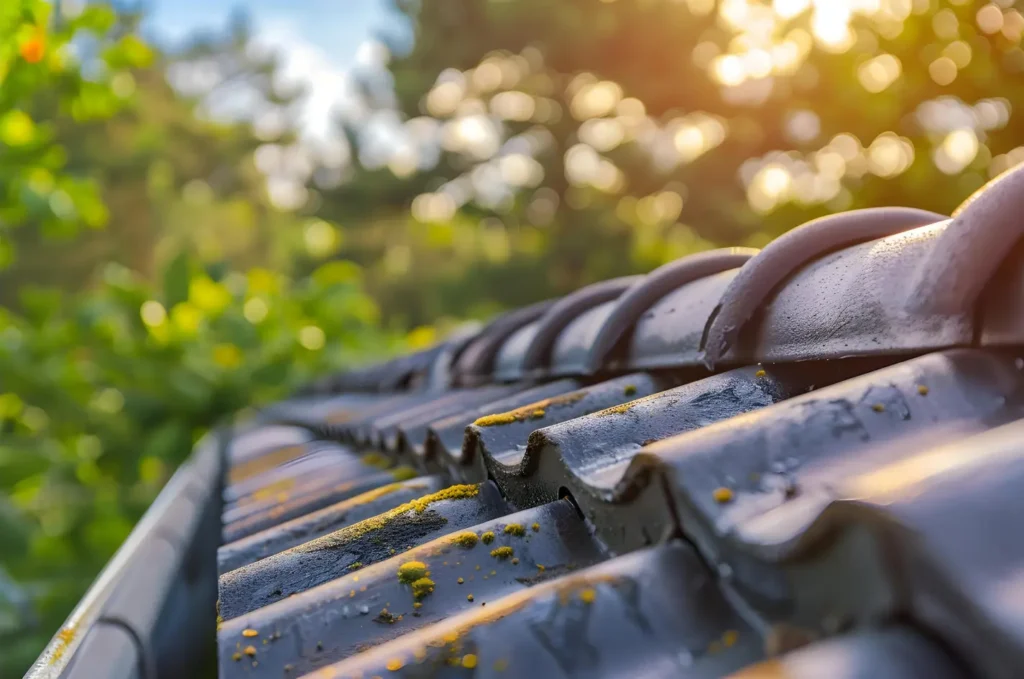
You should never use high-pressure washers, harsh chemicals, stiff brushes, or metal scrapers when cleaning a roof because these methods damage shingles, strip protective granules, void warranties, and can cause leaks requiring roof repair. Knowing what to avoid is as important as knowing how to clean a roof properly.
Roof cleaning mistakes to avoid:
You clean different types of roofs using methods appropriate for each material, as asphalt shingles, metal roofing, tile, and flat roofs each have specific requirements and limitations. Using the wrong method on any roof type can cause damage that requires costly roof repair or even roof replacement.
Cleaning by roof type:
Safe cleaning solutions for roofs include diluted sodium hypochlorite (bleach), commercial roof cleaners specifically formulated for shingles, and oxygen bleach products that are less harsh on plants. Always dilute solutions properly and protect landscaping from runoff.
Recommended cleaning solutions:
Solutions to avoid:
You should hire professional roof cleaning services when your roof is steep, difficult to access, heavily covered with moss or algae, or when you lack proper safety equipment. Roof cleaning is appropriate only for single-story homes with gentle slopes and light debris that can be addressed safely from a ladder or ground level.
When to hire professionals:
Boston’s climate creates specific roof cleaning challenges that homeowners should understand. Our humid coastal environment and shaded neighborhoods promote growth that requires regular attention.
Moss and Algae Growth: Boston’s coastal humidity and frequent cloud cover create ideal conditions for moss and algae growth, particularly on north-facing roof sections and areas shaded by trees. Many neighborhoods in Cambridge, Somerville, Brookline, and Newton feature mature trees that keep roofs shaded and damp. Regular roof inspection helps catch growth early when it is easier to treat.
Best Cleaning Seasons: The ideal time to clean a roof in Boston is late spring after pollen season or early fall before leaves drop. Avoid cleaning during winter when surfaces may be icy, during active rain, or in direct summer sun when solutions evaporate too quickly. Scheduling roof cleaning during optimal weather ensures better results and safer working conditions.
Post-Winter Cleaning Needs: After Boston winters with heavy snow and ice dam conditions, roofs often accumulate granule debris, organic matter trapped by ice, and staining from melting ice and snow. Spring roof cleaning combined with thorough roof inspection addresses these issues and prepares your roof for the growing season ahead. This is also the time to assess whether winter caused damage requiring roof repair.
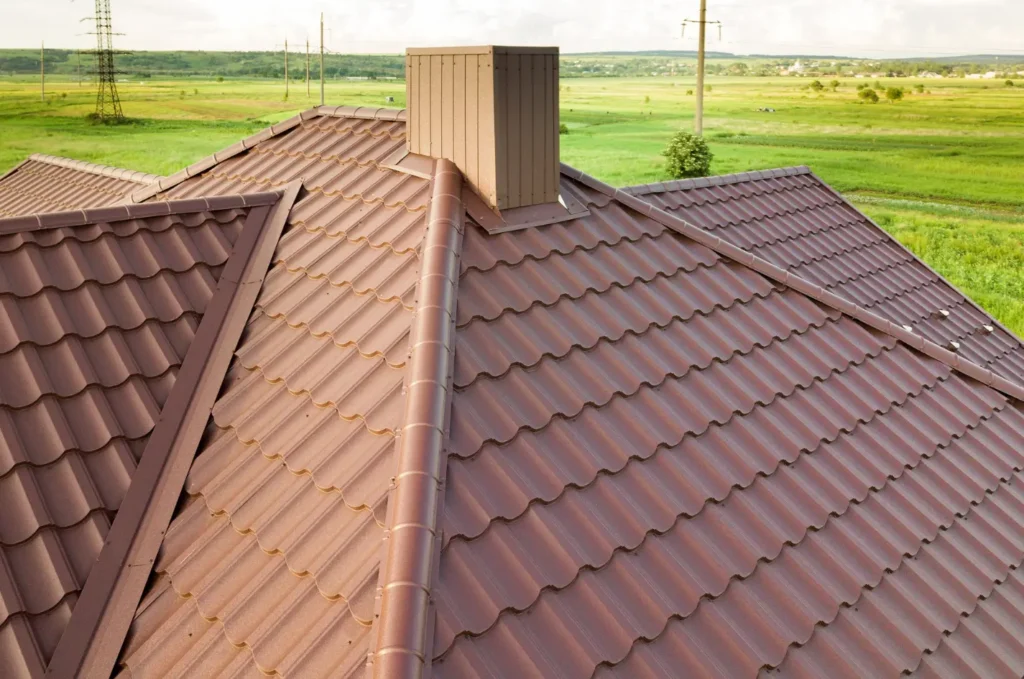
OneGuard Roofing provides professional roof cleaning services throughout Greater Boston using safe, effective methods that protect your roofing investment. Our trained crews understand how to clean a roof properly without causing damage.
Our roof cleaning services include:
Knowing how to clean a roof safely protects your investment and extends your roof’s lifespan. Whether you handle light maintenance yourself or hire professional roof cleaning services for thorough cleaning, using the right methods prevents damage and keeps your roof looking great. Regular roof cleaning is an essential part of roof maintenance that pays dividends through years of reliable performance.
Contact us to schedule roof inspection and professional cleaning service.