
How Soffit Vents Stop Roof Moisture Problems in Lincoln
Soffit vents are the intake half of your roof’s ventilation system, pulling cool, fresh air into the attic at the…
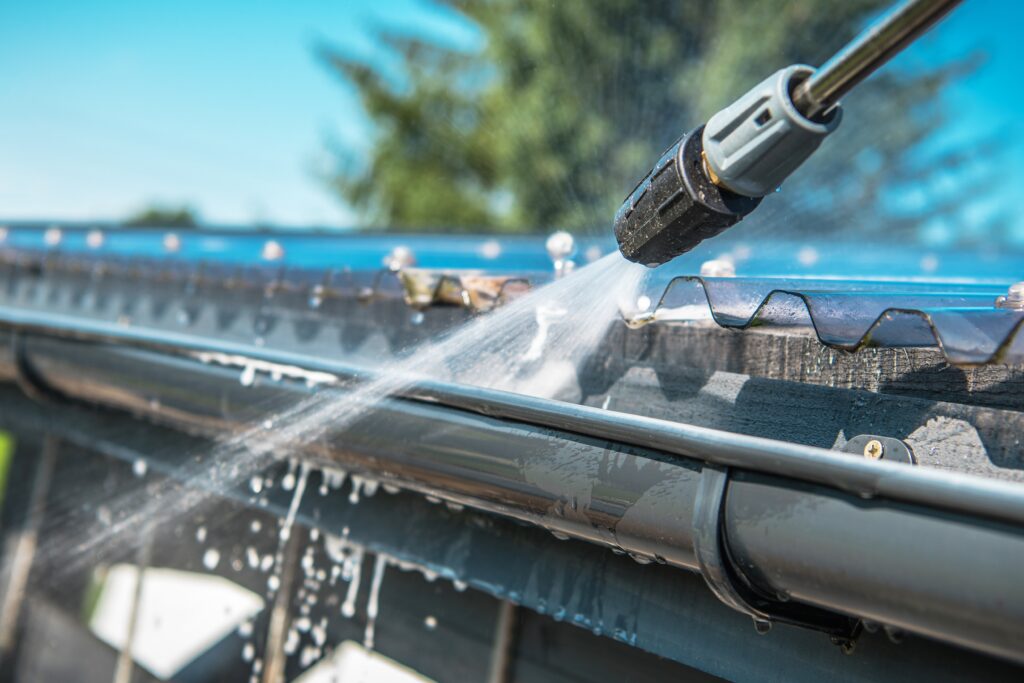
Think your shingles do all the heavy lifting? In Boston’s four-season climate, gutter maintenance is what keeps rain, snowmelt, and roof runoff from turning into leaks, rot, and costly structural repairs. When gutters are clear, sloped correctly, and securely fastened, they quietly protect your roof, siding, and foundation, and they help your home last longer with fewer surprises.
Gutters catch water at the roof edge and carry it to downspouts that discharge safely away from your foundation. That simple flow protects the roof deck and fascia from constant saturation, stops water from streaking down siding, and reduces the chance of basement moisture. In winter, freely draining gutters also help minimize ice formation at the eaves, a common trigger for ice dams.
When gutters clog or pull away from the fascia, water has nowhere to go. It backs up under shingles, seeps behind trim, or dumps next to your foundation. Over time, those small overflows cause wood to become soft, ceilings to become stained, attics to become musty, and base settlement repairs that cost a lot more than regular gutter cleaning in Boston.
Clogs start with leaves, sticks, seed pods, and roof grit gathering at corners and downspout inlets. During a storm, water ponds along the eaves and wicks under shingles into the roof deck. You might not see the first sign indoors; often, the earliest damage is outside, peeling paint on fascia, black streaks, and swollen soffits.
Winter raises the stakes. Slow drainage combined with freeze–thaw cycles creates ice ridges at the roof edge. Those ridges lift shingles and force meltwater backward under the roofing, where it finds nail holes and seams. Left unchecked, you get wet insulation, mold growth, and heat loss that make ice dams worse. What begins as “just a clogged gutter” can shorten your roof’s life by years.
A simple routine is enough to protect most homes. Clean gutters in late fall after the last big leaf drop, and again in spring to remove winter grit and windblown debris. As you clean, run a hose to make sure each downspout flows freely and the discharge lands at least four to six feet from the foundation.
Small fixes go a long way. Seal pinhole leaks at seams and end caps with exterior-grade gutter sealant. Refasten loose runs with hidden hangers so the trough sits tight to the fascia. If you notice water lingering after a rinse, gently adjust the pitch so it falls toward the nearest downspout. About 1/16 – 1/8 inch of slope per foot is all you need. Trimming overhanging branches reduces fresh debris and keeps shade-loving moss off the roof edge.
These aren’t minor annoyances. They’re early alerts that your roof and framing are getting wet.
If you’re comfortable on a ladder and your home is one or two stories, DIY can work. Use gloves, eye protection, and a sturdy ladder; scoop debris, then flush toward each downspout and reseal any small leaks you find. What DIY often misses are subtle issues like poor slope, failing hangers, undersized downspouts, or kick-out flashing that’s missing where a roof meets a wall.
A professional gutter cleaning service addresses those root causes in one visit. Pros safely re-pitch long runs, add or replace hidden hangers, resize downspouts, seal seams, and flag related roof issues (loose flashing, soft decking at eaves). In storm season or after a Nor’easter, that thorough approach can prevent repeat overflows and stop damage before it reaches the drywall.
Expect DIY supplies, scoop, gloves, a hose nozzle, and sealant, to cost a few dozen dollars. Professional cleaning typically ranges from about $125 to $350+, depending on roof height, linear footage, debris load, and access. Minor repairs like rehanging sections, adding hangers, or resealing joints usually fall between $100 and $400. If your system is past its prime, seamless aluminum gutters installed by a pro often run around $8 – $15 per linear foot; quality gutter guards are a similar range per foot and reduce, but don’t eliminate, future cleaning.
Bundling gutter service with a roof inspection is smart. You’ll cut trips and catch flashing, shingle, or attic ventilation issues at the same time.
For most Boston homes, seamless aluminum is the sweet spot lightweight, rust-resistant, and made to length on-site, so there are fewer joints to leak. Galvanized or coated steel adds strength for long runs or tall drops but needs protective finishes. Copper is the premium choice: the longest life and a classic patina, with a higher upfront cost. Vinyl is inexpensive and DIY-friendly, but gets brittle in the cold.
Installation quality matters as much as material. Runs must be sloped to downspouts, secured with hidden hangers every couple of feet, and sized to your roof area and valley layout (inside corners funnel a lot of water). Kick-out flashing at roof-to-wall intersections prevents waterfalls on siding, and downspout extensions or splash blocks should carry water several feet from the foundation.
Some systems are beyond quick fixes. If you’re dealing with chronic seam failures, corroded sections, squashed downspouts, or a layout that overflows in every heavy rain, replacement is the cost-effective option. Upgrading to seamless aluminum with correctly sized downspouts and well-fitted guards can immediately improve drainage and reduce future maintenance, an easy win for roof longevity.
Our mix of leaf drop, nor’easters, lake-effect-style dumps, and freeze-thaw cycles means two cleanings a year is the minimum for many homes. Homes under maples or pines, or near the coast where salt air accelerates corrosion, benefit from more frequent checks and corrosion-resistant materials like aluminum or copper. Before deep freezes, confirm everything drains; a clear, pitched system is your best defense against ice dams.
A durable roof needs clear, correctly pitched gutters. Build a simple seasonal routine, fix slope and support issues early, and choose the right materials for Boston’s weather. If you’d like a hand, OneGuard Roofing can bundle gutter cleaning, small repairs, and a photo-verified roof inspection so you know exactly what’s happening above your home.
Schedule your free gutter and roof check in Boston today.
Twice a year, late fall and spring, is a solid baseline for most Boston homes. If you live under maples or pines, or your neighborhood sees frequent windstorms, check monthly during heavy drop seasons and after major weather events. Homes with steep roofs or multiple valleys can collect debris faster, so plan an extra mid-season rinse. A quick visual check during rain (looking for overflow at corners) is an easy way to decide if you need service sooner.
No. Quality gutter guards dramatically reduce leaves and twigs, but fine roof grit, seed pods, and pollen still slip through and settle. Plan on a light rinse and a professional inspection once or twice a year to keep downspouts clear and maintain proper slope. The right guard paired with seamless gutters and correctly placed downspouts cuts maintenance, not the need for it entirely.
With routine care, seamless aluminum gutters typically last 20 – 25+ years, while copper systems can exceed 50 years. Lifespan depends on slope, hanger spacing, exposure (coastal salt air vs. inland), and whether you keep seams sealed and downspouts flowing. Gutter guards, secure hidden hangers every 24 – 32 inches, and proper discharge extensions all help you reach the top end of those ranges. Regular inspections after Nor’easters also prevent small issues from shortening service life.
If simple fixes, re-pitching, re-hanging, sealing a few joints, or swapping a crushed elbow stop overflow, repair is the right call. Consider replacement when seams fail repeatedly, runs are visibly corroded or kinked, sections pull from fascia, or the system is undersized for your roof area (chronic overflow at inside corners is a clue). Upgrading to seamless aluminum with larger downspouts and a better layout often solves persistent issues and lowers future maintenance. A pro assessment can measure roof drainage demands and confirm the best path.
Absolutely. Chronic clogs cause water to back up under shingles, soaking the roof deck, fascia, and soffits; in winter, slow drainage fuels ice dams that pry up shingles and force meltwater inside. That moisture leads to rot, mold, ruined insulation, and interior staining expensive problems compared to routine cleaning. Preventative gutter maintenance (plus guards and correct slope) preserves roof edges, protects your attic, and can add years to overall roof longevity. If you’re already seeing overflow or stains, schedule a professional cleaning and evaluation before the next storm.